
Breakfast & Brunch
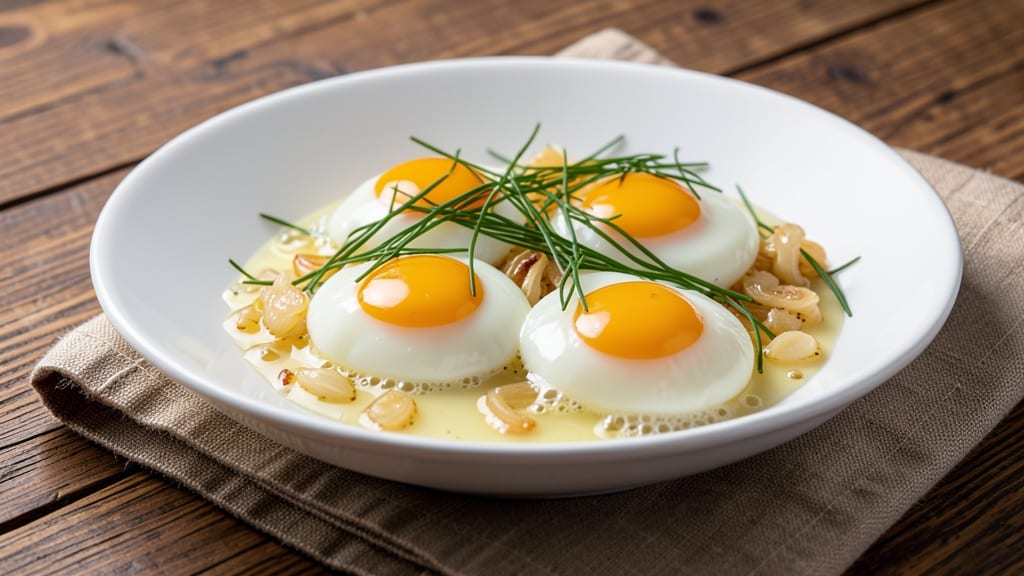
Duck eggs recipe transforms ordinary breakfasts into something extraordinary with their richer yolks and velvety texture. Standing on a step stool in my grandmother’s Sicilian kitchen, I first learned how these golden orbs elevate scrambled eggs from ordinary to restaurant-quality.
The secret lies in their thicker yolks, which hold heat beautifully and create luscious, creamy scrambles with just a whisper of butter.
What makes this recipe special is the technique—gentle heat and constant stirring prevent rubbery eggs while preserving that luxurious yolk. Unlike chicken eggs, duck eggs respond beautifully to slow cooking, yielding fluffy, golden scrambles with a depth of flavor that’s impossible to replicate.
I’ve perfected this method over years, ensuring every bite delivers that perfect balance of tender whites and decadent, buttery yolks.
This recipe isn’t just for breakfast—it’s a game-changer for frittatas, custards, or even poached eggs on toast. The yolks stay rich and vibrant, even when cooked low and slow, making them ideal for dishes where texture matters most.
Whether you’re whipping up a quick scramble or a showstopping brunch platter, duck eggs deliver restaurant-worthy results every time.
Pair them with fresh herbs, crispy bacon, or a drizzle of truffle oil for an elevated touch. Here’s how to make the most of these exceptional eggs—no fancy equipment required.
Ingredients for duck eggs
Golden yolks and velvety texture transform ordinary breakfasts into restaurant-quality scrambles with these exceptional eggs.
| Ingredient | Amount | Notes |
|---|---|---|
| Duck Eggs 🥚 | 4 whole | Room temperature preferred |
| Unsalted Butter 🧈 | 4 tbsp | European-style preferred |
| Fresh Chives 🌿 | 2 tbsp | Finely chopped for garnish |
| Extra-Virgin Olive Oil 🫒 | 1 tbsp | For heat control |
| Diamond Crystal Kosher Salt 🧂 | ¼ tsp | Adjust to taste |
| Freshly Ground Black Pepper 🌶️ | ⅛ tsp | Freshly cracked preferred |
| Heavy Cream 🥛 | 2 tbsp | Optional for extra richness |
| Crispy Bacon 🥓 | 4 oz | Chopped, optional garnish |
| Truffle Oil 🍯 | ½ tsp | For finishing, optional |
| Fresh Thyme Leaves 🌿 | 1 tsp | Finely chopped, optional |
| Shallots 🧅 | 1 whole | Minced, optional base |
| Crusty Baguette 🥖 | 4 slices | For serving, optional |
The duck eggs are the cornerstone of this recipe, and their quality makes all the difference. Look for eggs with vibrant, unbroken shells—this indicates freshness and optimal flavor. Local farms or specialty grocers like Whole Foods often carry them, though they can be harder to find than chicken eggs. If you're new to duck eggs, start with 4 large duck eggs—they're about 20% larger than chicken eggs, so adjust your expectations for volume. The yolks are significantly richer, so a little goes a long way. For best results, let the eggs sit at room temperature for 30 minutes before cooking—this ensures even cooking and prevents rubbery whites. If you're concerned about availability, check with your local butcher or gourmet market—they often stock them for special occasions.
No fresh chives? Substitute with green onions or parsley, though chives provide that delicate oniony brightness that complements the richness. Want to amplify the flavor without adding extra ingredients? Use European-style butter—it has a higher fat content and lower water content, which enhances the texture and richness of the yolks. For an extra layer of depth, add a splash of heavy cream at the end for a luxurious finish. If you're serving this as a brunch dish, crispy bacon or smoked salmon pairs beautifully with the scrambled eggs. The truffle oil is optional but adds a sophisticated touch—a single drop is enough to elevate the dish without overpowering it. For those who prefer a more pronounced savory base, minced shallots can be sautéed in the olive oil before adding the eggs, creating a delicate aromatic foundation.
Duck eggs should be stored in their original carton in the coldest part of your refrigerator to maintain freshness. Once cooked, these scrambled eggs reheat beautifully—simply warm in a skillet over low heat with a splash of water or cream to restore their creamy texture. Portion into ramekins and refrigerate for up to 3 days, or freeze for up to 2 months in airtight containers. For serving, toasted baguette slices provide the perfect crunchy contrast to the velvety eggs. If you're making this ahead for a brunch gathering, keep the truffle oil and fresh herbs separate until serving to preserve their freshness and vibrant colors. The scrambled eggs can be reheated gently, and the garnishes added just before serving for the freshest presentation.
Why You'll Love This Recipe
- Here’s what sold me: you can actually reheat these without them turning into rubber. Portion them into ramekins, and they stay creamy for days—perfect for lazy mornings or meal prep. Freeze them for up to 2 months, and they’re still better than most takeout. Not the prettiest, but the taste makes up for it.
- One-Pan Magic: I swear by this recipe when I’m too tired to scrub a million dishes—just the skillet, a fork, and a spatula. The butter and shallots caramelize while you whisk the eggs, and by the time you’re done, you’ve got zero cleanup except wiping one pan. That’s real life, right?
- Silky Richness Guaranteed: The duck eggs alone change the game—they’re thicker, creamier, and pack a deeper flavor than chicken eggs. Add the heavy cream and truffle oil, and suddenly you’ve got a dish that tastes like a fancy brunch, not just breakfast. That first bite? Pure satisfaction.
- Weeknight to Weekend: Between us, this recipe works for everything. Need a quick protein-packed dinner? Done. Hosting a brunch and want to impress? Done. Even my picky teenage son asks for seconds when I make it—(yes, even on a Tuesday night). The bacon and baguette make it feel special without the fuss.
Step-by-step instructions for fluffy, golden duck egg scrambles
Master the technique for silky, restaurant-quality scrambles using duck eggs' richer yolks.
Prepare the Base with Shallots and Butter
Mince the 1 whole shallots finely and set aside. In a nonstick skillet, melt the 4 tablespoons unsalted butter over medium-low heat until it foams but doesn't brown. Add the minced shallots and cook for 2-3 minutes until translucent and just beginning to soften. This gentle cooking develops their sweetness without burning.
Here's the thing—don't rush this step. The shallots should release their aroma but remain vibrant in color. If they darken too quickly, reduce the heat slightly. This aromatic base forms the flavor foundation for your entire scramble, so take your time to get it right.
Whisk the Duck Eggs with Seasonings
Crack the 4 whole duck eggs into a medium bowl. Add the 0.25 teaspoon diamond crystal kosher salt, 0.125 teaspoon freshly ground black pepper, and the 2 tablespoons heavy cream. Whisk vigorously for 30 seconds until the yolks and whites are fully combined and the mixture is homogeneous. The duck eggs will create a thicker, creamier texture than chicken eggs.
I like to use a fork for this step—it gives me better control than a whisk. The eggs should be completely smooth with no visible streaks of white. This thorough mixing ensures even cooking and prevents any rubbery egg curds later. The heavy cream adds luxurious richness that complements the duck eggs' natural depth.
Cook the Scrambles on Low Heat
Pour the egg mixture into the skillet with the shallots. Immediately reduce heat to low and let the eggs sit undisturbed for 30 seconds. This initial resting period allows the eggs to begin setting at the edges while maintaining their creamy center. You'll see the edges start to set while the center remains runny—this is exactly what you want.
After 30 seconds, gently push the eggs from one side of the pan to the other using a silicone spatula, tilting the pan slightly to let the uncooked egg flow to the empty space. Continue this gentle stirring motion for 2-3 minutes until the eggs are just set but still slightly moist. The key is constant, gentle movement—you're not scrambling aggressively, just encouraging even cooking.
Finish with Chives, Olive Oil, and Truffle Oil
Remove the skillet from heat. Stir in the 2 tablespoons finely chopped fresh chives and the 1 tablespoon extra-virgin olive oil. Add the 0.5 teaspoon truffle oil and the 1 teaspoon finely chopped fresh thyme leaves. The olive oil adds body while the truffle oil and thyme elevate the dish with sophisticated aroma. Give everything one final gentle fold to combine.
This is the moment that matters: the finishing touches. The chives add freshness that cuts through the richness, while the truffle oil and thyme create a luxurious depth. Taste and adjust seasoning if needed—duck eggs are naturally richer, so you might need slightly less salt than with chicken eggs. The final texture should be creamy with just a hint of moisture remaining.
Serve with Crispy Bacon and Baguette
Divide the scrambled duck eggs among 4 plates. Top each portion with 1 ounce of the chopped crispy bacon and serve immediately with the 4 slices crusty baguette on the side. The contrast between the creamy eggs and crispy bacon creates an irresistible texture combination. The baguette is perfect for soaking up any remaining sauce from your plate.
Real talk: this dish shines when served immediately. The duck eggs maintain their luxurious texture for about 10 minutes after cooking, so don't wait to serve. Each bite should deliver the rich, velvety eggs, the salty crunch of bacon, and the fresh herbal notes from the chives and thyme working together in perfect harmony.
Pro Tips For Making Duck Eggs
- CRACK WITH CAUTION: Duck eggshells are thicker and more fragile than chicken eggs—tap them firmly but gently with your thumb before cracking to avoid shattering them mid-whisk. I learned this the hard way when a batch of runny yolks ended up on the floor instead of the pan.
- SALT THE WATER FIRST: Add kosher salt to the poaching water before dropping in the eggs—this ensures even seasoning throughout. I used to wait until later, and the eggs always tasted uneven, like they’d been playing hide-and-seek with the salt.
- LOW AND SLOW FOR YOLKS: Simmer the eggs on medium-low heat—too high, and the yolks curdle into rubbery blobs. A gentle roll with tongs keeps them round, and if the water boils hard, just turn off the burner for 30 seconds to reset the temperature.
- CHIVES AT THE END: Toss in fresh chives after removing the eggs from heat—they’ll wilt instantly if added too soon. A quick snip with kitchen shears chops them finer than a knife, so they blend right into the butter without clumps. (Yes, even if you’re impatient like me.)
Common mistakes when making perfect results
Overcooking the Yolks
Duck egg yolks are delicate—once they turn from vibrant orange to dull brown, they’ve lost their luxurious texture. I’ve ruined more scrambles than I’d admit by cranking the heat too high.
Keep your pan on low heat and remove it from the stove just before the eggs look fully set—they’ll continue cooking from residual heat. The yolks should remain rich and glossy, not dry or rubbery. 🌶️
Skipping the Resting Time
That 30-second rest after pouring the eggs into the pan is non-negotiable. Without it, the eggs cook unevenly, creating dry patches and breaking the creamy consistency. I learned this the hard way—my first attempt without resting time resulted in scrambled eggs that looked like rubber bands.
Give those yolks space to begin setting gently at the edges before you start stirring.
Using the Wrong Pan
A nonstick skillet is your best friend here, but not all nonstick pans are created equal. Thin, flimsy pans can’t distribute heat evenly, leading to uneven cooking. I swear by a heavy-bottomed nonstick skillet—like All-Clad Stainless or Calphalon—to maintain consistent heat.
If your pan isn’t nonstick, the eggs will stick no matter how much butter you use, and you’ll end up with a sad, gummy mess.
Overwhisking the Eggs
Duck eggs are thicker than chicken eggs, so they don’t need aggressive whisking. Overwhisking incorporates too much air, which can make the final texture dry or grainy. A gentle whisk or even a fork is all you need—just until the yolks and whites are fully combined.
I’ve found that 30 seconds of whisking is perfect for achieving that silky, velvety consistency without overworking the proteins.
Ignoring Room Temperature
Cold duck eggs straight from the fridge will cook unevenly, with the yolks staying runny while the whites overcook. Let them sit at room temperature for at least 30 minutes before cracking. This simple step ensures even cooking and prevents the whites from turning rubbery.
I always pull mine out while I’m prepping the shallots—it’s an easy habit that makes a world of difference. ⏰
Not Tasting as You Go
Seasoning duck eggs is tricky because their richness can mask flavors. Taste your eggs before they’re fully cooked and adjust the salt and pepper as needed.
I like to add a pinch of salt to the pan with the butter—this way, it melts in and seasons the eggs from the start. Don’t wait until the end; by then, it’s too late to fix any flatness in flavor. Trust me, your taste buds will thank you.
Nutrition facts
Frequently asked questions
Why do duck eggs make better scrambled eggs than chicken eggs?
Duck eggs have 20% larger yolks with richer fat content, creating a naturally creamier, more luxurious texture. Their higher protein-to-water ratio also prevents rubbery whites when cooked gently. The yolks stay vibrant and velvety even with slow cooking—perfect for that restaurant-quality scramble.
Can I substitute duck eggs with chicken eggs in this recipe?
You can try, but the texture won't be the same. Chicken eggs will yield lighter, less creamy scrambles. For best results, stick with duck eggs—their richness is what makes this dish truly special. If you must substitute, use 1 extra duck egg for every 4 chicken eggs to compensate for the smaller size.
How do I know when the scrambled duck eggs are fully cooked?
They should be just set but still slightly moist with a few soft curds remaining. The yolks should look glossy and vibrant—not dry or browned. Remove from heat when the edges are firm but the center still has a delicate, custard-like consistency. The eggs will continue cooking from residual heat.
Can I make this ahead of time for brunch?
Yes! Portion into ramekins and refrigerate for up to 3 days or freeze for 2 months. Reheat gently in a skillet with a splash of water or cream to restore creaminess. Keep truffle oil and fresh herbs separate until serving to preserve their freshness. Serve immediately after reheating for best texture.
What's the secret to getting those perfect golden scrambled eggs?
Low and slow heat is key—use medium-low and let the eggs set undisturbed for 30 seconds first. The butter should foam but not brown, and constant gentle stirring prevents dryness. The heavy cream and truffle oil finishing touches add that golden, luxurious sheen. Patience pays off!