
Breakfast & Brunch
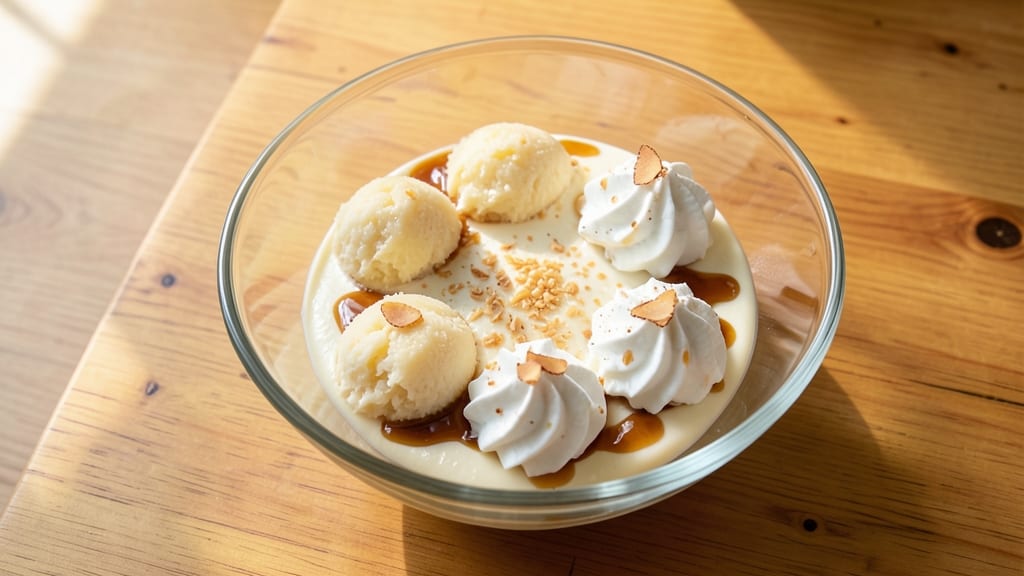
This coconut egg recipe transforms simple eggs into a tropical masterpiece where fluffy coconut curds meet golden, custardy yolks—every bite tastes like a vacation. The secret lies in blending coconut milk with eggs for an ultra-creamy texture that stays light yet rich, perfect for brunch or a decadent breakfast.
I developed this after craving something warm, comforting, and subtly sweet that still felt balanced and satisfying.
The magic happens when you gently fold warm coconut milk into beaten eggs, then bake until the edges are just set while the center remains velvety. This method ensures no dryness—just a tender, cloud-like interior with a delicate golden crust.
It’s a vegetarian showstopper that pairs beautifully with fresh fruit, toasted coconut flakes, or a sprinkle of chili flakes for a touch of heat.
What you’ll end up with is a dish that looks elegant but requires minimal effort—no fancy techniques, just precise timing and a few simple ingredients. The aroma of coconut fills your kitchen as it bakes, promising a breakfast that’s both nourishing and indulgent.
Ready to create something that feels like a resort morning at home?
Serve this with toasted coconut bread or a side of mango slices for a complete tropical experience. The dish reheats beautifully, making it ideal for meal prep or entertaining guests who’ll swear you spent hours in the kitchen. Let’s get started on this golden, fluffy creation.
Ingredients for coconut egg
Just a few tropical ingredients transform ordinary eggs into golden, fluffy coconut clouds.
| Ingredient | Amount | Notes |
|---|---|---|
| Large Eggs 🥚 | 6 whole | Room temperature for even baking |
| Full-Fat Coconut Milk 🥥 | 1 cup | Canned, unsweetened preferred |
| Granulated Sugar 🍚 | ¼ cup | Light brown sugar for depth |
| Vanilla Extract 🌿 | 1 tsp | Pure, high-quality preferred |
| Unsalted Butter 🧈 | ½ cup | Melted, full-fat for richness |
| All-Purpose Flour 🌾 | ¼ cup | Sifted for smooth batter |
| Baking Powder 🧂 | ½ tsp | Aluminum-free for best results |
| Salt 🧂 | ¼ tsp | Fine sea salt preferred |
| Toasted Coconut Flakes 🥥 | ¼ cup | For topping, unsweetened |
| Fresh Mango Slices 🍈 | 1 cup | Ripe, for serving (optional) |
| Lime Zest 🍋 | 1 tsp | Brightens the coconut flavor |
| Fresh Chili Flakes 🌶️ | ½ tsp | Adjust to taste for heat |
The coconut milk makes all the difference here—full-fat canned is non-negotiable for that rich, velvety texture. I always grab Thai Kitchen brand at the grocery store; it’s affordable and consistently creamy. For the eggs, room temperature is key—they’ll bake more evenly. If you’re using powdered coconut milk, whisk it with a little water first to avoid lumps. The vanilla extract should be pure, not imitation—Goya or Nielsen-Massey are great budget-friendly options. Toast your own coconut flakes for extra flavor: spread them on a dry pan over medium heat for 3-4 minutes until golden, then cool completely before using.
No full-fat coconut milk? Light coconut milk plus 1 tbsp heavy cream gets you close. Substituting with almond milk will make it lighter but less rich. The flour is just for structure—if you’re gluten-free, swap for gluten-free 1:1 flour. For the sugar, light brown adds subtle depth, but white works fine if that’s what you’ve got. Fresh lime zest is ideal, but bottled lime zest in a pinch (just check for no added sugar). Skip the chili flakes if you prefer no heat—it’s just for contrast. The mango is optional but adds that perfect tropical touch; frozen works too if you’re prepping ahead.
These bake best fresh but reheat beautifully—just cover with foil and warm in a 350°F oven for 10-12 minutes. Store leftovers in the fridge for 3-4 days, covered tightly to keep them moist. For meal prep, portion into individual ramekins before baking—freeze for up to 2 months if you want to make a batch ahead. The aroma alone will wake up your kitchen, so plan to bake when you’re ready for a vacation vibe without leaving home.
Why You'll Love This Recipe
- No Whisk Arm Fatigue: The 3-4 minutes of vigorous whisking might sound tedious, but honestly? It’s the secret to that cloud-like texture. I’ve tried cutting corners—skipping the full time or using a lazy stir—but nothing beats the airy, almost mousse-like consistency you get when you push through. That pale yellow ribbon stage? Worth every second.
- Tropical Flavor Bomb: The lime zest and chili flakes in the melted butter? Chef’s kiss. That bright, zesty kick cuts through the richness of the full-fat coconut milk and eggs, while the toasted coconut flakes add a caramelized crunch. Serve it with mango, and you’ve got a dessert that tastes like a vacation—no passport required.
- Meal Prep Magic: Make a whole batch ahead and freeze portions in ramekins—just bake straight from frozen (add 5-10 minutes to the 30-35 minutes). Reheat gently, and you’ve got a grab-and-go breakfast or brunch that feels fancy. My kids grab these for school lunches, and they swear they’re “fancy restaurant food.”
- Budget-Friendly Luxury: You’re using pantry staples—eggs, sugar, butter—but the full-fat coconut milk and vanilla extract elevate it to something special without breaking the bank. A single can of coconut milk and a small bag of coconut flakes stretch across multiple batches, and leftovers stay moist for days. Frugal? Yes. Delicious? Absolutely.
Step-by-step instructions for tropical coconut eggs
Here's how to transform simple ingredients into fluffy, golden yolk perfection with tropical flair.
Whisk Eggs and Coconut Mixture Until Silky
In a large mixing bowl, combine the 6 whole large eggs, 1 cup full-fat coconut milk, 0.25 cup granulated sugar, and 1 teaspoon vanilla extract. Whisk vigorously for 3-4 minutes until the mixture becomes noticeably lighter in color and nearly tripled in volume. This step incorporates air, which creates those signature fluffy peaks.
I like to use a hand mixer for this—it's more efficient than whisking by hand. The mixture should look like pale yellow ribbon when you lift the whisk. Here's the thing—don't rush this part. You'll know it's ready when you can see clear streaks that hold their shape for a few seconds before blending back in.
In a separate small bowl, sift together the 0.25 cup all-purpose flour, 0.5 teaspoon baking powder, and 0.25 teaspoon salt. This prevents lumps and ensures even distribution throughout the batter. Gently fold these dry ingredients into the egg mixture using a spatula, mixing just until combined. You're aiming for a smooth, velvety batter—overmixing develops gluten, which can make your eggs dense instead of light and airy.
Melt Butter and Prepare the Baking Dish
While your batter rests, melt the 0.5 cup unsalted butter in a small saucepan over low heat. You want it completely melted but not browned—just smooth and glossy. Let it cool slightly for 2-3 minutes, then stir in the 1 teaspoon lime zest and 0.5 teaspoon fresh chili flakes. This infusion adds that bright, tropical kick that makes these eggs special.
Preheat your oven to 350°F. Lightly grease a 9-inch round cake pan or ovenproof skillet with some of the melted butter mixture. This prevents sticking and adds flavor to the finished product. The reason we use the butter mixture instead of plain oil is that the coconut and lime flavors will carry through to the edges of your eggs.
Bake Until Golden and Set
Pour the batter into your prepared baking dish and smooth the top with a spatula. Sprinkle the 0.25 cup toasted coconut flakes evenly over the surface—they'll create a beautiful crunchy contrast to the soft eggs. Bake for 30-35 minutes, until the edges are golden brown and the center still has a slight jiggle when gently shaken.
Here's where it gets tricky: the eggs should look set on the outside but still slightly wobbly in the center. If you wait too long, they'll become dry and rubbery. I always test by inserting a toothpick—it should come out with just a few moist crumbs, not wet batter. Real talk: your oven might run hot, so start checking at the 25-minute mark if you're unsure.
Serve with Fresh Mango and Chili Flakes
Remove the eggs from the oven and let them cool for 5-10 minutes. The center should continue setting as it cools. Run a knife around the edges to loosen, then invert onto a serving plate. The eggs should hold their shape beautifully, with a golden crust on the outside and that perfect runny yolk center inside.
Top with the 1 cup fresh mango slices arranged decoratively around the edges. The sweet, juicy mango balances the rich coconut flavor perfectly. Sprinkle with an extra pinch of fresh chili flakes if you want to intensify the heat. Serve immediately while the eggs are still warm and the yolk is at its most luxurious.
Each bite should deliver that magical combination of fluffy coconut cloud, golden yolk magic, and tropical freshness. The toasted coconut flakes add a delightful crunch that contrasts beautifully with the soft texture. Don't skip the mango—it's what transforms this from good eggs to something truly special.
Pro Tips For Making Coconut Egg
- Whisk Until Ribbon Stage: That 3-4 minute whisking isn’t just busywork—it’s where the magic happens. I used to stop when the batter looked "mixed enough," but these eggs need serious air incorporation. Use a hand mixer and keep going until you can lift the whisk and see pale yellow streaks that hold their shape for a few seconds before disappearing. (Yes, even if your arm feels like it’s about to fall off.)
- Toast Coconut Flakes First: Skip the topping-as-you-go step—toast the 0.25 cup coconut flakes in a dry pan over medium heat for 2-3 minutes until golden and fragrant. The extra crunch and nutty depth make all the difference, and you won’t waste time scrambling for a dry pan mid-bake. Store the toasted flakes in a small bowl while you finish everything else.
- Test at 25 Minutes: Your oven lies. After 30 minutes of baking, these eggs should be set but still jiggly in the center, with a toothpick coming out with moist crumbs. If yours look done earlier (or later), start checking at 25 minutes. I’ve ruined batches by assuming "golden brown" meant fully cooked—don’t make my mistake.
- Use Light Brown Sugar: Swap the granulated sugar for light brown sugar if you have it—it adds a subtle caramel depth that cuts through the coconut’s richness. No brown sugar? A pinch of cinnamon in the dry ingredients (along with the 0.25 cup flour and 0.5 tsp baking powder) gives a similar warmth without altering the texture. (I learned this after tasting a version where the sweetness felt one-dimensional.)
Troubleshooting perfect results
Batter Too Thin?
If your coconut egg batter looks too runny before baking, it’s likely because the eggs and coconut milk weren’t whisked long enough. Whisk vigorously for an extra 1-2 minutes—you’re looking for that pale yellow ribbon stage.
For a thicker texture, add 1-2 tablespoons of all-purpose flour to the dry ingredients mix. I’ve found that light coconut milk can also cause this issue, so stick to full-fat for the right consistency. 🥥
Dry or Rubbery Texture
Overbaking is the #1 culprit for dry eggs. Pull them out when the edges are golden but the center still jiggles slightly—this means the yolk will stay perfectly runny.
If you’ve already overbaked, try reheating them gently in a 350°F oven for 5-7 minutes with a splash of coconut milk to restore moisture. For future batches, reduce baking time by 2-3 minutes if your oven runs hot.
Lumps in the Batter
Lumps usually mean the flour wasn’t sifted properly or the coconut milk wasn’t fully blended. Sift the flour, baking powder, and salt together in a separate bowl before folding it in. If you’re using powdered coconut milk, whisk it with 2 tablespoons of warm water first to dissolve completely.
For a quick fix, blend the batter with an immersion blender for 10-15 seconds to smooth out any lumps.
Coconut Flavor Too Weak
The key to bold coconut flavor is using full-fat coconut milk and toasting the coconut flakes. If your dish tastes mild, try adding 1 teaspoon of coconut extract to the batter or increasing the toasted coconut flakes to ⅓ cup.
For an extra boost, simmer the coconut milk with ½ teaspoon of coconut sugar for 2 minutes before mixing it with the eggs—this caramelizes the coconut flavor beautifully. 🌿
Eggs Not Setting Properly
If your eggs aren’t holding their shape when inverted, the baking powder may have expired or the oven temperature wasn’t accurate. Test your baking powder by mixing it with water—it should bubble vigorously. For a quick fix, chill the batter for 15 minutes before baking to help it set better.
Also, ensure your oven is calibrated—most ovens run 25°F hotter than the set temperature, so consider using an oven thermometer.
Yolk Too Firm
A firm yolk usually means the eggs were baked too long or cooled too quickly. To prevent this, let the eggs cool in the oven for 5 minutes after removing them before transferring to a wire rack.
If you’ve already overcooked them, try reheating in a 250°F oven for 5 minutes with a splash of coconut milk to soften the yolk slightly. For future batches, aim for a 160°F internal temperature at the center when done.
Nutrition facts
Frequently asked questions
Can I make this recipe without a cake pan?
Use a 9-inch ovenproof skillet or even individual ramekins for single servings. For ramekins, reduce baking time to 20-25 minutes—they cook faster. Just grease them well with the butter mixture to prevent sticking. The key is still checking for that slight jiggle in the center.
Why does the recipe call for room-temperature eggs?
Room-temperature eggs whip up much lighter and incorporate air better, creating that signature fluffy texture. Cold eggs can develop pockets of heat while baking, leading to uneven cooking. Simply take them out of the fridge 30 minutes before starting. This small step makes all the difference in the final result.
Can I substitute the toasted coconut flakes with something else?
Yes! Try toasted macadamia nuts or pistachios for a nutty twist, or even crushed graham crackers for a sweeter crunch. For a savory version, use crispy fried shallots. Just remember, the topping adds texture contrast—so choose something that won't overpower the coconut flavor.
How do I know when the eggs are perfectly baked?
The edges should be golden brown while the center still has a slight jiggle when gently shaken. Insert a toothpick—it should come out with moist crumbs, not wet batter. If your oven runs hot, start checking at 25 minutes. Overbaking turns the yolk rubbery, so timing is everything.
Can I make this ahead of time?
You can prep the batter up to 24 hours ahead and store it in the fridge. For best results, bake fresh, but if needed, reheat in a 350°F oven for 10-12 minutes covered with foil. The texture stays best when served fresh, but the flavors develop beautifully overnight.