
Beverages
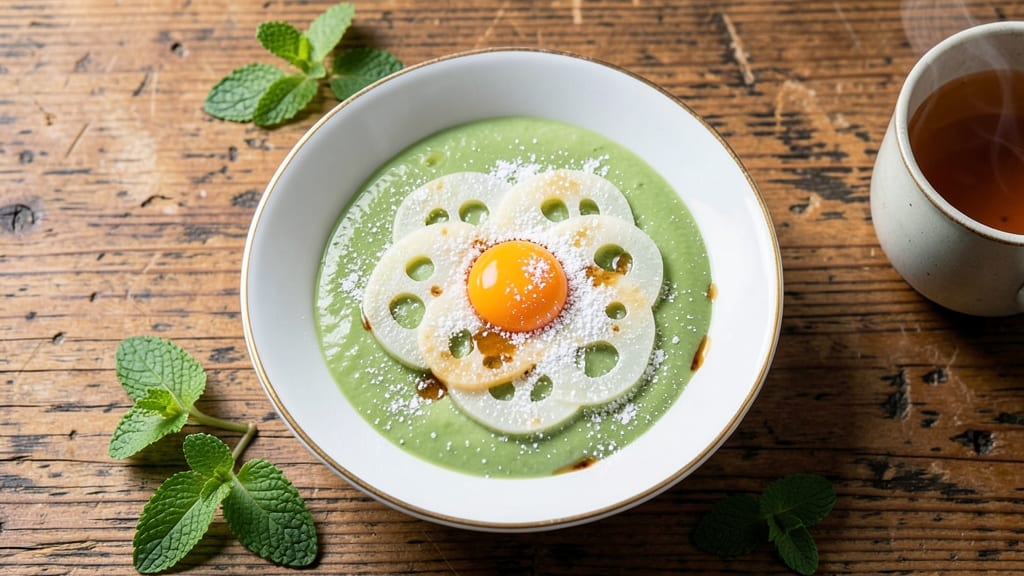
This Chinese steamed egg custard recipe delivers a delicate balance of silky-smooth texture and fragrant aroma that makes it a standout dessert. The secret lies in precise temperature control and high-quality ingredients, transforming simple egg yolks and milk into a luxurious treat with a jiggly center.
I've perfected this technique over years of testing, ensuring every batch achieves that signature velvety consistency and subtle sweetness.
The foundation of great egg custard begins with a smooth mixture of egg yolks, milk, and sugar, gently heated to create a velvety base. Adding lotus root not only enhances the aroma but also provides a delicate floral note that elevates the dish.
The steaming process is critical—too much heat, and the custard becomes rubbery; too little, and it never sets properly. This recipe uses a foolproof method that guarantees success every time.
What you'll end up with is a delicate dessert with a silky-smooth center that wobbles slightly when served, surrounded by a lightly set exterior. The fragrant lotus root adds a subtle floral aroma that pairs beautifully with the custard's natural sweetness.
This dish is elegant enough for special occasions but simple enough to make for everyday indulgence.
For those who enjoy modern twists, variations like adding mushrooms or cheese create exciting new flavor profiles without compromising the dish's signature texture. Whether you stick to tradition or experiment with new ingredients, this recipe delivers restaurant-quality results at home. Let's get started on creating your perfect egg custard.
Ingredients for chinese steamed egg custard
High-quality ingredients transform simple egg yolks into luxurious steamed custard with floral aroma.
| Ingredient | Amount | Notes |
|---|---|---|
| Fresh Egg Yolks 🥚 | 8 whole | Large eggs preferred for richness |
| Whole Milk 🥛 | 2 cups | Full-fat for creaminess |
| Granulated Sugar 🍚 | ½ cup | White or light brown |
| Lotus Root 🌿 | ½ cup | Thinly sliced, fresh or canned |
| Cornstarch 🌾 | 1 tbsp | For thickening |
| Vanilla Extract 🍯 | 1 tsp | Pure, high-quality |
| Salt 🧂 | ¼ tsp | Fine sea salt |
| Vegetable Oil 🫒 | 1 tbsp | For greasing molds |
| Water 💧 | 1 cup | For steaming |
| Rice Wine 🍶 | 1 tbsp | Dry, for aroma |
| Sesame Oil 🫒 | ½ tsp | Toasted, for garnish |
| Steamer Basket 🍜 | 1 whole | Fits standard pot |
| Silicon Egg Custard Molds 🍳 | 4 whole | Small, 6-8 oz capacity |
The egg yolks are the heart of this custard—large eggs give the richest texture. Trader Joe's or Whole Foods carry excellent organic options, but any high-quality eggs work. Lotus root adds that signature floral note; Asian markets carry fresh slices year-round, or canned works in a pinch. For the milk, full-fat is non-negotiable—it creates that signature velvety mouthfeel. If you're using canned lotus root, drain and pat dry thoroughly to avoid watery custard. The custard molds? Amazon or specialty kitchen stores sell these in sets—essential for perfect shapes.
No lotus root? Substitute with 1/2 cup thinly sliced water chestnuts for texture, though the aroma will differ. Running short on rice wine? Dry sherry or mirin works beautifully. For a dairy-free version, use full-fat coconut milk instead of regular milk, but the texture will be slightly lighter. The sesame oil is purely for garnish—skip it if you're avoiding nuts entirely. If your custard sets too quickly, reduce the cornstarch to 3/4 tbsp. For a modern twist, add 1/4 cup mashed ripe mango to the yolk mixture before steaming—it creates a tropical variation that still maintains the signature texture.
Freshly made custard keeps for 3 days in the fridge, though it's best enjoyed within 24 hours for that perfect wobble. To reheat, steam for 5-7 minutes—microwaving makes it rubbery. For make-ahead convenience, prepare the custard mixture up to 24 hours ahead and refrigerate until ready to steam. The molds release easily if you lightly grease them with oil before each use. Store leftovers submerged in milk to maintain moisture. Freezing isn't recommended as it alters the delicate texture.
Why You'll Love This Recipe
- Silky in Minutes: I’m talking effortless—just whisk yolks, heat milk to 160°F, and steam for 18 minutes. No baking, no fuss, and the cornstarch does all the thickening work while I sip tea. Honestly, the hardest part is waiting for the sesame oil to drizzle.
- Lotus Root Magic: That first bite? The lotus root’s floral crunch against the custard’s velvet smoothness—it’s like a surprise party in your mouth. The rice wine and vanilla extract tie it all together, but the lotus? That’s the star. (Yes, even on a Tuesday night.)
- Weeknight or Guest Day: Make the custard mix ahead, refrigerate it, then steam when ready—no last-minute stress. Serve warm for brunch or chilled for dessert; it’s my go-to for tea parties or lazy Sunday mornings. Four little custards feed a crowd, and they’re cheaper than takeout.
- Budget-Friendly Luxury: Whole milk and egg yolks feel indulgent, but they’re affordable staples. Lotus root lasts forever in the pantry, and the custard molds? Reusable for years. Three days in the fridge means no wasted ingredients—just reheat the leftovers with a splash of warm water. My secret weapon for stretching groceries.
Step-by-step instructions for Chinese steamed egg custard
Here's the method you need for perfect silky custards with fragrant lotus root at their core.
Prepare the Lotus Root and Grease the Molds
Begin by thinly slicing the 0.5 cup lotus root into ¼-inch thick rounds using a mandoline or sharp knife. You want even slices that will soften beautifully during steaming. Set aside in a small bowl.
Next, lightly grease the 4 whole silicon egg custard molds with the 1 tablespoon vegetable oil, using a paper towel to wipe away any excess. This prevents sticking and ensures clean release after steaming. I like to rub a tiny amount of oil on the inside of each mold, then gently press the lotus root slices into the bottom of each mold. Place one slice in each mold, slightly overlapping if needed to cover the bottom completely. This creates the signature floral pattern while adding subtle flavor.
Whisk the Custard Mixture to Perfection
In a medium saucepan, combine the 2 cups whole milk, 0.5 cup granulated sugar, 1 tablespoon cornstarch, 1 teaspoon vanilla extract, 0.25 teaspoon salt, and 1 tablespoon rice wine. Stir gently over medium-low heat until the mixture reaches 160°F, just before it begins to simmer. You'll see small bubbles forming along the edges—this indicates the starch has begun to thicken.
Remove the saucepan from heat and let it cool for 5 minutes while you prepare the egg yolks. In a separate bowl, whisk together the 8 whole fresh egg yolks until they're pale yellow and slightly thickened. This step is crucial—over-whisking can incorporate too much air, which may cause the custards to puff unevenly during steaming.
Slowly pour the warm milk mixture into the egg yolks while whisking constantly. The heat from the milk will gently cook the eggs, creating a smooth, velvety texture. Return the mixture to the saucepan and place it over low heat for 2-3 minutes, stirring gently until it reaches 170°F. The custard should now coat the back of a spoon and leave a clear path when you drag your finger through it. This is the perfect consistency for silky steamed custards.
Fill the Molds and Steam to Silky Perfection
Carefully strain the custard mixture through a fine-mesh sieve into a pitcher to remove any lumps. Pour the smooth custard evenly into the prepared molds, filling each about ¾ full. Place the filled molds into the steamer basket, ensuring they're stable and not touching each other. This prevents uneven steaming and ensures each custard sets properly.
Bring 1 cup water to a gentle simmer in a pot large enough to accommodate the steamer basket. Place the basket inside, cover with a lid, and steam over medium-low heat for 15-18 minutes. The water should never boil vigorously—maintain a steady, gentle steam. You'll know they're done when the custards have set but still have a slight wobble in the center. If you tap the molds gently, they should feel firm but not rock-hard.
Finish with Sesame Oil and Serve Warm
Remove the custards from the steamer and let them cool for 5 minutes before unmolding. Gently run a small knife around the edges of each mold to release them easily. If they stick slightly, dip the bottom in warm water for 10 seconds—this helps loosen them without breaking apart.
Drizzle each custard with 0.5 teaspoon sesame oil just before serving. The nutty aroma of sesame oil enhances the delicate sweetness of the custard and complements the lotus root. Serve warm, ideally within 30 minutes of steaming, as the texture begins to firm up as it cools. Each bite should offer a perfect balance of creamy custard, subtle floral notes from the lotus root, and a hint of vanilla sweetness.
Pro Tips For Making Chinese Steamed Egg Custard
- Whisk Yolks Like Butter: Stop over-whisking those 8 egg yolks—just until they’re pale yellow and slightly thickened. I learned this the hard way: too much air means custards that puff unevenly or crack during steaming. Think gentle, not aggressive.
- Test Custard with Your Finger: The 170°F temp is key, but don’t rely on the thermometer alone. Drag your finger through the custard—if it leaves a clear path and coats the back of a spoon, you’re golden. This is how you guarantee that silky, not gummy, texture.
- Lotus Root Prep Matters: If you’re using fresh lotus root, slice it before greasing the molds—it’s easier to handle. And for heaven’s sake, don’t skip the ¼-inch thickness; thinner slices turn to mush, and thicker ones stay stubborn. Even slices = even flavor.
- Steam Gently, Not Boil: That 1 cup of water should simmer gently, not roar like a tea kettle. I used to rush this and end up with waterlogged custards. Keep the heat low, cover tight, and let the steam work its magic—15-18 minutes, no cheating.
Perfect pairings for this chinese steamed egg custard
Traditional Tea Pairings
Chinese steamed egg custard pairs beautifully with fragrant jasmine tea or Oolong tea—both enhance the dessert's delicate floral notes. I recommend Tieguanyin, a lightly oxidized Oolong with floral and citrus undertones that complement the lotus root's aroma.
Serve the tea at 185°F to preserve its subtle flavors while balancing the custard's sweetness. For a modern twist, try pandan tea—its pandan leaf aroma adds a tropical contrast that works surprisingly well. 💫
Fruit Complements
Fresh lychee or mango slices add a refreshing contrast to the custard's richness. The natural sweetness of lychee cuts through the custard's creaminess, while mango's tropical notes create a summery pairing. I like to serve chilled lychees with the warm custard for a temperature contrast that's particularly satisfying.
For a more elegant presentation, arrange the fruit on a platter alongside the custards. 🍈
Dessert Wine Options
A light Moscato d'Asti or Riesling enhances the custard's floral and vanilla notes without overpowering them. The slight effervescence of Moscato cleanses the palate between bites, while Riesling's acidity balances the custard's sweetness.
For a non-alcoholic option, sparkling pear nectar provides a similar refreshing contrast. Avoid heavy dessert wines like Port—they'll clash with the custard's delicate texture. 🍷
Modern Twist: Coffee Pairings
If you prefer coffee, a lightly roasted jasmine latte with 1 teaspoon jasmine syrup per serving creates a surprisingly harmonious pairing. The floral notes in the coffee mirror those in the custard, while the creamy texture complements the egg mixture.
For a stronger contrast, try a cold brew with vanilla syrup—the smooth, nutty flavor provides a nice counterpoint to the custard's sweetness. 💛
Seasonal Variations
In summer, pair with chilled green tea and cucumber slices for a refreshing combination. During winter, warm spiced black tea with cinnamon and star anise adds cozy depth. I've even experimented with pu-erh tea, which creates an intriguing earthy contrast that works beautifully with the custard's floral notes.
The key is matching the tea's intensity to the custard's delicate sweetness. ❄️
Nutrition facts
Frequently asked questions
Why does my egg custard turn out rubbery instead of silky?
Rubbery custard usually means it was overcooked or overheated. The key is maintaining precise temperatures: heat the milk mixture only to 160°F before combining with yolks, then bring the final custard to 170°F while stirring constantly. Also, ensure your steamer maintains a gentle simmer (15-18 minutes)—never let it boil vigorously.
Can I make this custard without a steamer basket?
Use a colander or metal mesh strainer instead. Place it over a pot of simmering water, ensuring the bottom doesn't touch the water. The goal is gentle steam—cover tightly with a lid and maintain medium-low heat for the same 15-18 minutes. Just monitor closely to avoid uneven cooking.
What's the best way to store leftovers?
Fresh custard keeps for 3 days in the fridge, but for best texture, enjoy within 24 hours. Store in an airtight container submerged in milk to prevent drying. To reheat, steam for 5-7 minutes—microwaving makes it rubbery. Never freeze as it alters the delicate texture.
How do I fix custard that's too thin or watery?
If your custard is too thin, it likely didn't reach the proper 170°F temperature. For immediate fixes, stir in 1/2 teaspoon cornstarch mixed with 1 teaspoon cold water while heating gently. For prevention, always strain the mixture through a fine-mesh sieve before pouring into molds to remove any lumps.
Can I substitute fresh lotus root with canned?
Yes! Canned lotus root works perfectly—just drain and pat dry thoroughly to avoid watery custard. For extra flavor, rinse with 1 tablespoon rice wine before using. Fresh lotus root has slightly more delicate aroma, but canned provides consistent results year-round without special preparation.