
Soups & Stews
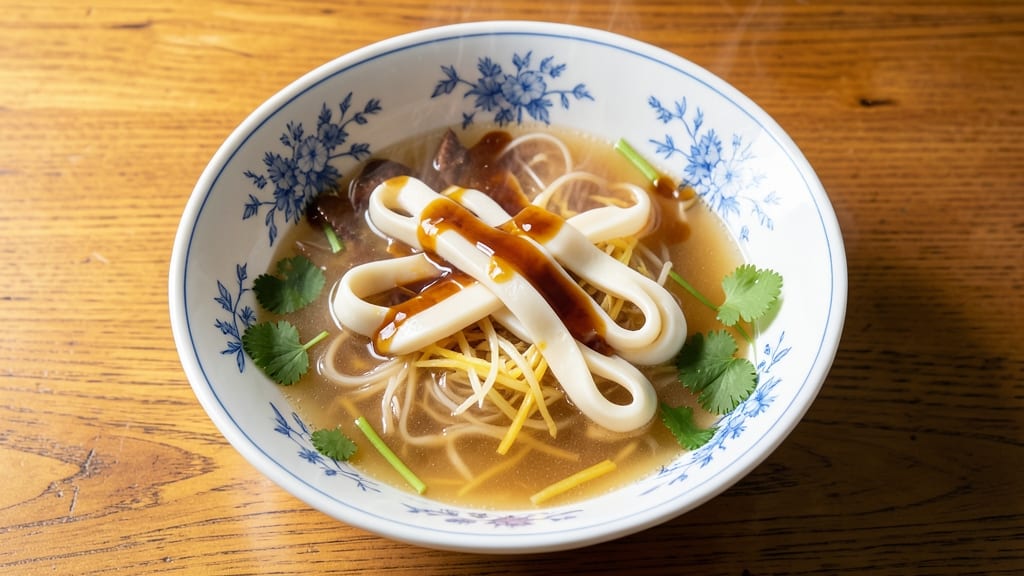
This Chinese restaurant-style egg drop soup recipe delivers the same velvety, aromatic broth and delicate yolk ribbons you crave from your favorite takeout spot. The secret lies in a high-heat technique that transforms beaten eggs into silky strands while maintaining a clear, fragrant broth—no lumps or overcooked yolks here.
I’ve perfected this method over years of testing, ensuring every spoonful captures that perfect balance of savory, umami, and subtle sweetness.
The foundation of an authentic egg drop soup is the broth, which should be light yet deeply flavorful, made from chicken stock, ginger, and a touch of soy sauce for depth.
The egg ribbon technique requires patience—slowly drizzling beaten eggs into the simmering broth while stirring constantly creates those signature strands. Unlike many home versions, this recipe avoids cornstarch or heavy cream, staying true to the traditional clear, silky texture that defines the dish.
What you’ll end up with is a bowl of soup where each sip delivers restaurant-quality results: tender egg ribbons suspended in a fragrant, slightly sweet broth that’s neither too thin nor too thick.
The aroma alone—steaming ginger, light soy, and the faintest hint of sesame—will transport you to a bustling Chinese eatery. Garnish with green onions and shiitake mushrooms for added texture and color, if desired.
This recipe works equally well as a comforting starter or a light main course, especially when paired with steamed rice or dumplings. The beauty of egg drop soup lies in its simplicity—just a few ingredients, but each plays a critical role in achieving that authentic, restaurant-style experience.
Let’s get started on recreating it at home.
Ingredients for chinese restaurant style egg drop soup
Just a handful of ingredients transform into restaurant-quality egg drop soup with silky ribbons.
| Ingredient | Amount | Notes |
|---|---|---|
| Chicken Stock 🍗 | 6 cups | Homemade or high-quality store-bought |
| Fresh Ginger Root 🧅 | 1 ½ tbsp | Finely grated, aromatic variety |
| Light Soy Sauce 🥢 | 1 tbsp | For umami depth, not dark soy |
| Sesame Oil 🫒 | ½ tsp | Toasted, for aromatic finish |
| Large Eggs 🥚 | 4 whole | Fresh, room temperature for ribbons |
| Cornstarch 🌾 | ½ tsp | For delicate egg ribbon texture |
| Water 💧 | 1 tbsp | Room temperature, for egg mixture |
| Green Onions 🧅 | 2 whole | Thinly sliced, for garnish |
| Dried Shiitake Mushrooms 🍄 | 2 whole | Rehydrated, for earthy depth |
| White Pepper 🌶️ | ¼ tsp | Freshly cracked, for subtle heat |
| Sugar 🍚 | ½ tsp | Balances savory notes |
| Salt 🧂 | 1 tsp | Kosher, for seasoning broth |
The chicken stock is non-negotiable—homemade or premium brands like Pacific Foods ensure that light, fragrant base. Fresh ginger root should be aromatic and firm, not fibrous or shriveled. For shiitake mushrooms, dried from Asian markets deliver the deepest umami, but rehydrated store-bought work in a pinch. The eggs must be fresh and room temperature—cold eggs create lumps instead of ribbons. I always use Kirkland Signature eggs for their consistent quality, but any high-quality brand will suffice. The soy sauce should be light, not dark, to avoid clouding the broth.
No fresh ginger? Powdered ginger at half the amount works, though it lacks complexity. Substitute sesame oil with a dash of toasted peanut oil if unavailable, but the aroma won’t be identical. For shiitake mushrooms, cremini mushrooms work in a bind, though they’re milder. The cornstarch is critical—arrowroot powder can replace it in equal measure, but cornstarch’s neutral flavor is ideal. If you’re avoiding gluten, ensure your soy sauce is tamari-based. The white pepper should be freshly cracked—pre-ground loses potency quickly. For a sweeter broth, honey or maple syrup can replace sugar, though sugar dissolves more cleanly.
Store leftover broth in an airtight container for up to 5 days—it reheats beautifully. The egg mixture should be made fresh before serving, as it thickens over time. For a restaurant-style presentation, keep the garnishes separate until serving. The soup freezes well for up to 3 months, though the texture may slightly alter upon reheating. I always double the broth recipe and freeze half—perfect for quick lunches. Garnish with extra sesame oil and green onions just before serving to maintain freshness.
Why You'll Love This Recipe
- No Chopping Nightmare: I swear by this recipe because it’s the only soup that lets me skip the veggie prep entirely. A single knob of ginger—grated while I’m talking to my kid about their day—is all it takes. That’s it. No dice, no julienne, no stress.
- Umami Magic: The moment I drizzle in that sesame oil and swirl the soy sauce into the simmering stock? My mouth waters. It’s that perfect balance—salty, nutty, with just a whisper of heat from the ginger—that makes this taste like a takeout order, not a homemade attempt.
- Leftovers That Beg: Honestly, I almost always make too much. The stock reduces beautifully, and the eggs stay perfectly silky when reheated—no rubbery texture here. I’ll bring a thermos of this to work for lunch, and my coworkers always ask for the recipe.
- Pantry Staple Power: Between us, this is my go-to when I’ve got nothing but eggs, soy sauce, and a sad block of ginger in the fridge. No fancy ingredients, no last-minute grocery runs. Just crack, grate, simmer, and—boom—you’ve got a soup that costs pennies per serving and feels like a treat.
Step-by-step instructions for Chinese restaurant-style egg drop soup
Here's how to craft silky egg ribbons in a fragrant, balanced broth worthy of any dim sum house.
Prepare the Broth Foundation
In a clean soup pot, combine the 6 cups chicken stock over medium-high heat. Add the 1.5 tablespoons finely grated fresh ginger root and bring to a gentle boil. The broth should begin to simmer vigorously, releasing the ginger's aromatic oils into the liquid. Let it boil for exactly 3 minutes to infuse the flavor without bitterness.
Next, stir in the 1 tablespoon light soy sauce and 0.5 teaspoon sugar. The soy sauce will deepen the umami while the sugar subtly balances the broth's savory notes. You'll notice the liquid take on a richer, more complex hue. Reduce heat to medium-low and maintain a steady simmer—this is crucial for developing the soup's delicate flavors without overpowering them.
Build Depth with Shiitake and Seasoning
While the broth simmers, prepare the 2 whole dried shiitake mushrooms by soaking them in warm water for 15 minutes until pliable. Drain and slice thinly. Add them to the broth along with the 0.25 teaspoon freshly cracked white pepper and 1 teaspoon kosher salt. The mushrooms will release their earthy essence into the liquid, creating a sophisticated depth that mimics professional restaurant versions.
Simmer for 8-10 minutes until the mushrooms are tender and the broth has reduced slightly, intensifying its flavor. You'll know it's ready when the aroma becomes rich and inviting—this is the moment the soup transforms from simple to restaurant-quality. Keep the heat at medium-low to prevent rapid evaporation that could concentrate the broth too aggressively.
Create the Signature Egg Ribbon Technique
In a separate bowl, whisk together the 4 whole large eggs, 0.5 teaspoon cornstarch, and 1 tablespoon room-temperature water. The cornstarch acts as a natural thickener that creates those signature delicate ribbons when dropped into the broth. Whisk until completely smooth—no streaks should remain, as this ensures even cooking and silky texture.
With the broth still simmering gently, carefully pour the egg mixture in a slow, steady stream while stirring continuously with a heatproof spatula. The key is to maintain motion—this prevents the eggs from forming curds and instead creates those elegant, wispy strands. Work quickly but deliberately; the eggs should cook in 10-15 seconds before being fully incorporated into the broth.
Finish with Aromatic Garnish
Remove the pot from heat just as the egg ribbons reach their peak texture—still slightly translucent at the center. Let the soup rest for 2 minutes to allow the flavors to meld completely. Then, thinly slice the 2 whole green onions and stir them into the broth. The fresh, bright notes cut through the richness of the eggs and mushrooms, creating balance.
Finally, drizzle in the 0.5 teaspoon toasted sesame oil while stirring gently. This step is what elevates the soup to restaurant-quality—adding a nutty, aromatic finish that lingers on the palate. Ladle into bowls immediately and serve with crisp steamed dumplings or rice noodles for the complete experience.
Pro Tips For Making Chinese Restaurant Style Egg Drop Soup
- Simmer Low After Ginger: DESCRIPTION:
- Grate Ginger Like You Mean It: DESCRIPTION:
- Don’t Overstir the Eggs: DESCRIPTION:
- Rest the Soup Before Serving: DESCRIPTION:
Serving suggestions for this recipe
Bowl Presentation
Serve this egg drop soup in wide, shallow bowls to showcase the delicate egg ribbons and fragrant broth. I use heatproof stoneware bowls like those from Le Creuset—they retain heat beautifully and elevate the presentation.
Ladle the soup carefully to avoid breaking the ribbons, then garnish immediately with the thinly sliced green onions and a final drizzle of toasted sesame oil. 🥘
Complementary Sides
Pair your soup with steamed jasmine rice or soft rice noodles to create a complete meal. For extra texture, add crispy fried shallots or toasted sesame seeds on top.
I also love serving it alongside pan-fried dumplings or shrimp dumplings for a dim sum-inspired spread. The contrast of warm soup with cool, fresh sides is pure comfort. 🍜
Dipping Sauces
Offer a small bowl of light chili oil or sweet bean sauce on the side for dipping. The chili oil adds a subtle kick, while the bean sauce—made with red bean paste and a touch of rice vinegar—balances the soup’s savory notes.
I keep these sauces separate until serving to maintain freshness. 🥢
Family-Style Serving
For gatherings, prepare the broth and egg mixture in large batches, then let guests assemble their own bowls at the table. Set out small bowls of the pre-sliced green onions, rehydrated shiitake mushrooms, and a sesame oil drizzle station.
This interactive approach makes it feel like a true restaurant experience. 👨👩👧👦
Leftovers Strategy
Store leftover broth in an airtight container for up to 5 days—it reheats beautifully for quick lunches. If reheating, warm over low heat and stir in a splash of water to restore silkiness.
For the egg mixture, I recommend making it fresh each time, but you can whisk a new batch quickly using the same proportions. 💡
Restaurant-Style Garnishes
Elevate your soup with microgreens or edible flowers for a fine-dining touch. A sprinkle of crushed black pepper or fresh cilantro adds brightness. I also like adding thinly sliced chives for a milder onion flavor. Keep garnishes separate until serving to preserve their freshness and aroma. ✨
Nutrition facts
Frequently asked questions
Why does my egg drop soup turn out too thick or chunky?
The key is maintaining a gentle simmer and stirring constantly while adding the egg mixture. If your soup is too thick, you may have overcooked the eggs or used too much cornstarch. For a smoother texture, ensure your broth is at medium-low heat and add the eggs in a slow, steady stream while stirring vigorously. The 10-15 second cook time for the eggs is critical—any longer and they'll form curds.
Can I make this soup without cornstarch?
Yes, but the egg ribbons won't be as delicate. The cornstarch creates those signature strands by lightly thickening the egg mixture. If you omit it, whisk the eggs with just 1 tablespoon water and add them to the broth at medium-low heat. Stir continuously to prevent curdling, but expect slightly thicker strands. For a creamy version, some restaurants add a splash of heavy cream at the end, but this deviates from the traditional clear broth style.
How do I keep the egg ribbons from breaking when serving?
Ladle the soup carefully using a wide-mouth ladle to minimize agitation. Avoid stirring after removing from heat, as this can fragment the ribbons. For restaurant-style presentation, serve immediately in wide, shallow bowls and garnish with green onions and sesame oil right before eating. If reheating leftovers, warm gently over low heat and stir in a splash of water to restore silkiness.
What's the difference between egg drop soup and congee?
While both are comforting Chinese dishes, they're fundamentally different. Egg drop soup features delicate egg ribbons in a clear, fragrant broth, while congee is a porridge-like dish made by simmering rice until it breaks down into a thick, creamy consistency. Egg drop soup relies on quick-cooked eggs for texture, whereas congee gets its body from rice. They share similar ingredients (ginger, soy sauce, mushrooms) but serve completely different purposes—soup as a light starter, congee as a hearty meal.
Can I use this recipe for a vegetarian version?
Replace the chicken stock with vegetable or mushroom stock and omit the shiitake mushrooms if avoiding umami-rich ingredients. For extra depth, add dried shiitake or kombu to the broth. The egg ribbon technique remains the same, but you can also use tofu or tempeh as a protein alternative. Just ensure your broth is well-seasoned with soy sauce, ginger, and white pepper to maintain the soup's signature flavor balance.