
Snacks
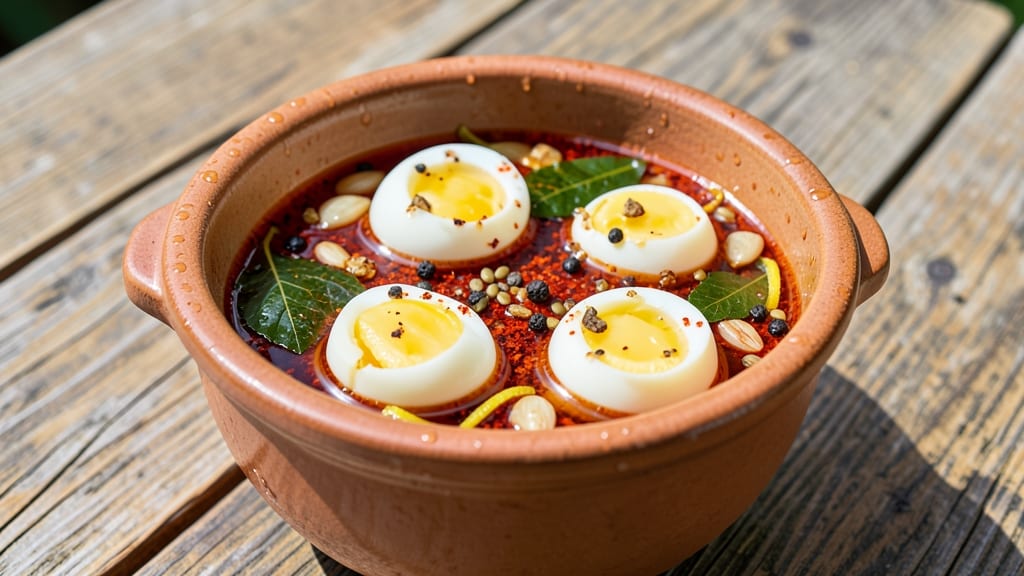
This Cajun pickled quail eggs recipe transforms delicate quail eggs into bold, tangy bites with just 10 minutes of hands-on time—perfect for appetizers, game day, or elegant gatherings.
The secret lies in a carefully balanced brine of smoked paprika, cayenne, and garlic, creating a spicy-sweet contrast that lingers on the palate. I developed this method after years of experimenting with Southern-style pickled eggs, and the results are always a crowd-pleaser.
The process is straightforward but precise: hard-boil the eggs, then pack them into a sterilized jar with a flavor-packed brine that includes vinegar, sugar, and a pinch of cayenne for heat.
The eggs develop their signature tang and color in just 10 minutes of simmering, then cool in the fridge for at least 4 hours to absorb the flavors fully. This ensures a crisp exterior and tender interior, with a briny, slightly spicy bite that’s impossible to resist.
What you’ll end up with is a plated presentation that’s as impressive as it is delicious—think golden eggs nestled in a glossy, aromatic brine, ready to be served on crackers, in salads, or alongside charcuterie.
The Cajun-inspired blend of smoked paprika and cayenne gives these eggs a restaurant-quality depth, while the sweet-tangy vinegar keeps them addictively crisp. Best of all, they keep well in the refrigerator for up to 2 weeks, making them ideal for meal prep.
Whether you’re hosting a dinner party or simply craving a bold, no-fuss snack, these pickled quail eggs deliver professional results with minimal effort. The key is patience—the longer they sit in the brine, the more complex the flavors become.
Let’s get started on this foolproof, flavor-packed recipe that’s sure to become a staple in your entertaining repertoire.
Ingredients for cajun pickled quail eggs
A handful of bold spices and tangy vinegar transform delicate quail eggs into restaurant-worthy bites.
| Ingredient | Amount | Notes |
|---|---|---|
| Quail Eggs 🥚 | 12 whole | Freshly laid preferred |
| White Vinegar 💧 | 1 cup | Distilled or apple cider |
| Granulated Sugar 🍚 | ½ cup | White or brown sugar |
| Smoked Paprika 🌶️ | 1 ½ tbsp | High-quality for smoky depth |
| Cayenne Pepper 🔥 | ½ tsp | Adjust for heat preference |
| Garlic Cloves 🧄 | 4 cloves | Freshly sliced for bold flavor |
| Black Peppercorns 🌶️ | ½ tsp | Crushed for texture |
| Bay Leaves 🌿 | 2 whole | Fresh for best aroma |
| Mustard Seeds 🌾 | ½ tsp | Yellow or brown preferred |
| Salt 🧂 | 1 ½ tsp | Diamond Crystal kosher |
| Ice Cubes ❄️ | 1 cup | For shock cooling |
| Fresh Dill 🌿 | ¼ cup | Chopped, for garnish |
| Lemon Zest 🍋 | 1 tbsp | Brightens the flavor |
Quail eggs are the star here—farm-fresh makes all the difference. Look for eggs with thick shells and minimal blemishes at specialty markets or online suppliers like Murray McCormick Farms. If you can't find quail eggs, duck eggs work too but will need longer cooking time. The vinegar should be distilled or apple cider—avoid malt vinegar, which can overpower the delicate flavors. For the smoked paprika, Penzeys or Gourmet Spice Kitchen brands deliver the richest smokiness. Don't skimp on the garlic—freshly sliced adds layers of flavor that powdered can't match. I always grab extra dill because it's the perfect garnish for plating.
No smoked paprika? Substitute half the amount with regular paprika plus a pinch of liquid smoke. Running low on mustard seeds? Ground mustard at double the amount works in a pinch. Fresh dill unavailable? Dried dill at one-third the amount gets you close, but fresh is worth the effort. The sugar can be swapped for honey or maple syrup for a deeper flavor profile. For a sweeter finish, add 1 teaspoon of honey to the brine. The lemon zest is optional but recommended—it brightens the whole dish and cuts through the richness. If you're short on time, zest from a pre-peeled lemon works fine, but fresh is always better.
This recipe keeps beautifully—up to 2 weeks in the fridge once pickled. Store the eggs in their brine in an airtight jar. For serving, I like to pour the eggs into a shallow dish and let the guests pick them up with crackers or toast points. The brine can be reused for another batch of eggs if strained and reheated. Freeze the eggs in their brine for up to 3 months if you're prepping ahead. Just thaw in the fridge overnight before serving. The longer they sit in the brine, the more complex the flavors become—let them marinate overnight for maximum depth.
Why You'll Love This Recipe
- No Boil, No Fuss: I just toss quail eggs into a jar with vinegar, sugar, and spices—no peeling, no boiling, no mess. Honestly, it’s the kind of recipe where I can have dinner ready while scrolling through my phone.
- Smoky-Spicy Magic: That smoked paprika and cayenne? They turn plain quail eggs into little flavor bombs—tangy from the vinegar, sweet from the sugar, with just enough heat to linger. I’ll be real: the first bite makes me reach for another.
- Party Snack Hero: These keep for weeks in the fridge, so I always have a grab-and-go bite for game day, charcuterie boards, or when friends drop by unannounced. They’re fancy enough for company but zero effort—my secret weapon for looking like a hostess.
- Penny-Perfect Leftovers: Quail eggs are cheap, and this recipe stretches them far. I make a big batch, store them in the fridge, and pull them out for sandwiches, salads, or just munching straight from the jar. No waste, all flavor—exactly what I need.
Step-by-step instructions for Cajun pickled quail eggs
Here's how to transform delicate quail eggs into bold, spicy-sweet bites with a perfect balance of heat and tang.
Prepare the Brine Base
In a medium saucepan, combine the 1 cup white vinegar, 0.5 cup granulated sugar, 1.5 tbsp smoked paprika, 0.5 tsp cayenne pepper, 1.5 tsp salt, 4 cloves garlic cloves (lightly crushed), 2 whole bay leaves, 0.5 tsp black peppercorns, 0.5 tsp mustard seeds, and 1 tbsp lemon zest. Bring this mixture to a gentle simmer over medium heat for 3-4 minutes, stirring occasionally until the sugar fully dissolves and the spices release their aroma.
The lemon zest brightens the vinegar's sharpness while the smoked paprika and cayenne create that signature Cajun heat. Let the mixture cool for 5 minutes—this prevents cracking the delicate quail eggs when they're added later. I like to watch for tiny bubbles forming on the surface; that's your cue it's ready for the next step.
Hard-Boil and Shock the Eggs
While the brine cools, place the 12 whole quail eggs in a single layer in a small saucepan. Cover them completely with cold water by about 1 inch—this ensures even cooking. Bring to a rolling boil over high heat, then immediately reduce to medium-low and simmer for exactly 6 minutes. Set a timer—overcooking makes quail eggs rubbery.
When time's up, transfer the eggs to a bowl of ice water with the 1 cup ice cubes for 5 minutes. This shock cooling stops the cooking process instantly and makes peeling easier. The eggs should feel cool to the touch before handling. I've found that quail eggs peel more easily than chicken eggs when shocked this way—just tap them gently on a hard surface to crack the shell before peeling.
Assemble and Infuse the Pickling Jar
In a clean quart-sized mason jar, layer the peeled quail eggs in a single layer. Pour the cooled brine over the eggs until completely submerged, adding the 0.25 cup chopped fresh dill on top. The dill adds a fresh herbal note that balances the spicy-sweet profile. Seal the jar tightly and refrigerate for at least 4 hours—overnight develops the deepest flavor.
Here's the thing about quail eggs—they absorb flavors differently than chicken eggs. The smaller size means they pick up the Cajun spices more intensely, creating that perfect bite-sized explosion of flavor. Give them a gentle shake every few hours if you're impatient, but I promise the wait is worth it for maximum flavor infusion.
Pro Tips For Making Cajun Pickled Quail Eggs
- BOIL EGGS FIRST: Skip the raw-pickling shortcut—hard-boil quail eggs for 6 minutes before pickling. I learned this the hard way when my first batch turned cloudy; the vinegar needs a fully set yolk to absorb flavor properly. Use ice water to stop cooking immediately, or the whites get rubbery.
- WEIGH YOUR VINEGAR: Vinegar-to-sugar ratios matter more than you’d think. For 1 cup vinegar, use ½ cup sugar—no eyeballing. I used to dump in "a handful" and ended up with either a syrup or a weak brine. A kitchen scale makes this foolproof in 10 seconds.
- STRAIN THE SPICES: Smoked paprika and cayenne clump like stubborn snowflakes. Whisk them into a tablespoon of warm water first, then stir into the vinegar. This ensures even distribution—no gritty bites or splotchy color. (Yes, it’s extra work, but your future self will notice.)
- LET IT CHILL: Don’t rush the pickling—wait at least 4 hours (overnight is better) before eating. The eggs need time to soak up the bold flavors. I cracked one early out of impatience and regretted the milky, under-seasoned taste. Patience here makes the difference between "meh" and "wow."
Pro cooking tips for perfect results
Brine Temperature Control
The key to a perfect Cajun brine is maintaining a gentle simmer for exactly 3-4 minutes—never a rolling boil. I use a medium saucepan and keep the heat at medium-low to prevent scorching the spices. The sugar needs time to fully dissolve, and the spices must infuse properly.
If you see large bubbles or hear popping sounds, your heat is too high. Let the brine cool for 5 minutes before adding eggs to prevent cracking their delicate shells. 🌡️
Egg Boiling Precision
Quail eggs cook faster than chicken eggs, so 6 minutes at a rolling boil is critical. Use a timer and avoid peeking—the temperature drop from opening the lid can create uneven cooking. After boiling, the ice water bath with 1 cup ice cubes for 5 minutes is non-negotiable.
This stops cooking instantly and makes peeling effortless. I tap eggs gently on a hard surface to crack the shell before peeling—this trick works every time. ⏱️
Layering for Even Flavor
When packing eggs into your jar, create a single layer to ensure each egg gets equal exposure to the brine. Pour the cooled brine slowly to avoid displacing eggs. Add the 0.25 cup chopped fresh dill on top—this herb stays near the surface, releasing its aroma as you serve.
Seal the jar tightly with a lid to prevent air bubbles from forming, which could dilute the flavors. For extra insurance, I press down gently on the eggs to submerge them completely. 🌿
Refrigeration Timing
While 4 hours is the minimum, I recommend refrigerating overnight for maximum flavor development. The eggs absorb the Cajun spices more deeply after 12 hours, creating that signature tangy-spicy bite. If you're short on time, give them 8 hours minimum—any less and the flavors won't meld properly.
I always shake the jar gently before serving to redistribute the spices and ensure every bite is consistent. 💫
Shell Removal Tricks
Quail eggs peel more easily when boiled with their pointy ends facing up in the pot. After the ice bath, roll eggs gently between your palms to loosen the shell before peeling under cool running water.
For stubborn shells, I use a small spoon to gently tap the shell all around before peeling. Never use your hands—this can crack the eggs. The fresher the eggs, the easier they peel, so always use farm-fresh quail eggs when possible. 🥚
Heat Adjustment Tips
If you prefer milder heat, reduce the cayenne pepper to ¼ tsp or substitute with ½ tsp sweet paprika. For extra kick, add ¼ tsp crushed red pepper flakes to the brine. I also like adding 1 tsp hot honey to the jar before sealing for a sweet-spicy finish.
Always taste the brine before adding eggs—this ensures the perfect balance of tang and heat every time. 🔥
Nutrition facts
Frequently asked questions
Can I use chicken eggs instead of quail eggs?
The recipe is designed specifically for quail eggs because their smaller size absorbs the Cajun flavors more intensely. Chicken eggs will work, but they may taste less vibrant and require 8-9 minutes of boiling instead of 6 minutes to avoid rubberiness. The texture will also be larger and less ideal for bite-sized appetizers.
How do I adjust the heat level in the brine?
For milder heat, reduce the 0.5 tsp cayenne pepper to ¼ tsp or swap it entirely for ½ tsp sweet paprika. For extra kick, add ¼ tsp crushed red pepper flakes to the brine. Always taste the cooled brine before adding eggs to ensure the perfect balance of tang and spice.
What's the best way to serve these pickled eggs?
These eggs shine as bite-sized appetizers! Serve them on toasted baguette slices, crackers, or watercress cups with a dollop of crème fraîche. They also pair beautifully with smoked salmon or charcuterie boards. For extra flair, garnish with extra chopped fresh dill and a sprinkle of flaky sea salt.
Can I reuse the brine for another batch?
Yes! Strain and reheat the brine to medium heat for 2-3 minutes to revive the flavors, then use it for a second batch of eggs. For best results, add fresh garlic cloves and ½ tsp smoked paprika to refresh the spices. The brine can be reused 2-3 times before the flavors become flat.
Why did my eggs turn out rubbery?
Overcooking is the most common cause. Quail eggs should boil for exactly 6 minutes—any longer makes them tough. Also, ensure you're using fresh eggs and shock cooling them immediately in ice water. If peeling is difficult, the eggs may have cooked too long. For next time, reduce boiling time to 5 minutes and test one egg.