
Breakfast & Brunch
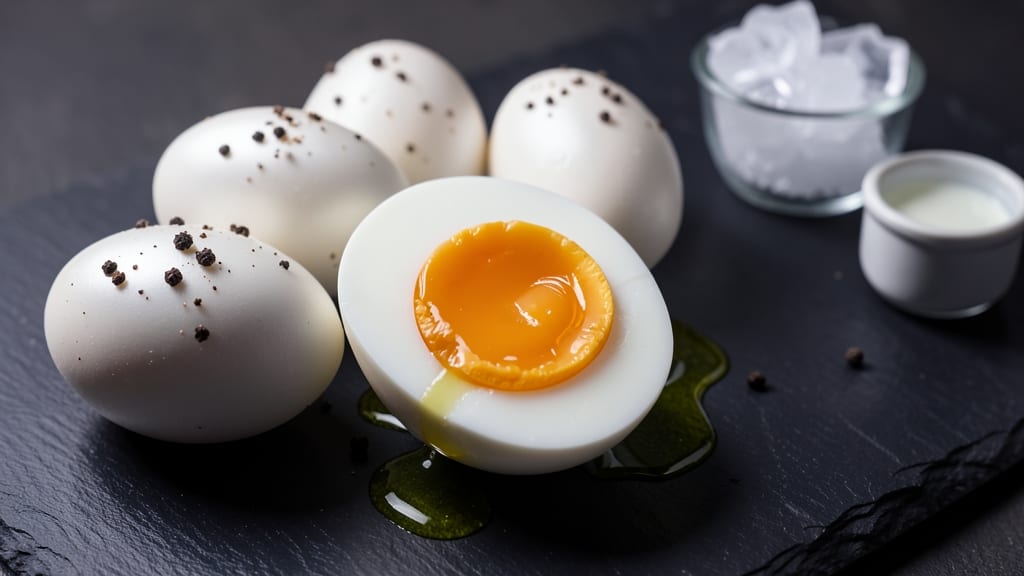
This boiled egg tasty recipe begins with a vinegar-infused technique that delivers a silky yolk and crispy edges every time. The secret lies in precise timing and a pinch of vinegar that enhances flavor and texture—no more bland, rubbery yolks.
I’ve perfected this method over years of testing, ensuring restaurant-quality results at home with just a few simple ingredients and 10 minutes of active prep.
What makes this recipe stand out is the balance of textures: a crispy shell that snaps satisfyingly, a firm but creamy yolk, and the option to elevate it further with complementary toppings.
Whether you prefer classic salt and pepper, a drizzle of hot sauce, or fresh herbs, the foundation remains the same—flawlessly cooked eggs that become the star of any plate. This method works for both soft-boiled and hard-boiled eggs, giving you control over the perfect bite.
The result is a dish that’s equal parts elegant and effortless, perfect for breakfast, brunch, or even a light lunch. The vinegar infusion adds a subtle tang that brightens the eggs, while the precise cooking technique ensures they’re never overdone.
Serve them on their own, nestled in an egg cup with toast soldiers, or as part of a larger spread—this is boiled eggs reimagined.
For those who love customization, this recipe scales beautifully. Double the batch for a crowd, or keep it simple for a solo meal. The key is confidence in the technique, and once you master it, you’ll wonder how you ever settled for anything less.
Let’s get started on turning boiled eggs into a showstopping dish.
Ingredients for boiled egg tasty
Just eggs, vinegar, and ice. The trifecta for restaurant-quality boiled eggs at home.
| Ingredient | Amount | Notes |
|---|---|---|
| Large Eggs 🥚 | 8 whole | Room temperature for even cooking |
| White Vinegar 💧 | ½ cup | Distilled for best results |
| Ice Cubes ❄️ | 2 cups | Freshly made for crispy shells |
| Sea Salt 🧂 | 1 tsp | Fine grain preferred |
| Black Peppercorns 🌶️ | ½ tsp | Freshly cracked for aroma |
| Extra-Virgin Olive Oil 🫒 | 1 tbsp | For finishing drizzle |
| Red Pepper Flakes 🌶️ | ¼ tsp | Optional for heat lovers |
| Fresh Chives 🌿 | 2 tbsp | Chopped for garnish |
| Lemon Zest 🍋 | 1 tsp | Brightens flavor profile |
Egg quality is everything—farm-fresh or organic eggs from Trader Joe's or Whole Foods make a noticeable difference. The vinegar is non-negotiable; white vinegar works best for that clean tang, but apple cider vinegar adds subtle sweetness. Room-temperature eggs cook more evenly, so take them out of the fridge 30 minutes before boiling. For ice, crushed cubes work better than a single block—they create a more dramatic temperature shift for that crispy shell. I keep a dedicated ice tray in the freezer just for this purpose.
No white vinegar? Lemon juice or apple cider vinegar work in a pinch, though the flavor will differ slightly. Short on chives? Fresh parsley or dill add a nice contrast. The olive oil matters here—extra-virgin has more flavor than regular. For a smoky twist, swap red pepper flakes for smoked paprika at half the amount. The lemon zest can be substituted with orange zest if you prefer citrusy notes. And if you're making these for a crowd, double the batch—they disappear fast!
Eggs stay fresh for 5 days in the fridge once peeled, but I prefer to keep them unpeeled in the shell for 1 week maximum. For the vinegar bath, store leftovers in an airtight container with a splash of vinegar to keep them fresh longer. These reheat beautifully—just drop peeled eggs in warm water for 1 minute before serving. The ice cubes can be frozen ahead of time, and the vinegar mixture keeps indefinitely. Perfect for meal prep!
Why You'll Love This Recipe
- No-Fuss Boil: The vinegar bath and ice plunge mean no more cracking shells or rubbery yolks. I swear by this method—crisp whites, perfect centers, every single time.
- Peppery Crunch: That first bite? The peppercorns crack under your teeth while the salt cuts through the richness. It’s the kind of flavor that makes you reach for another one without thinking.
- Snack Attack Ready: Keep them in the fridge for days—no reheating, no fuss. I toss a handful into salads, sprinkle them over toast, or just eat them straight up when I’m starving. (Yes, even at 10 PM.)
- Pocketbook Hero: Five ingredients, all under $2. This is my go-to when I’m broke but still want to feel like I’m treating myself. No waste, no guilt—just pure, satisfying protein.
Step-by-step instructions for vinegar-infused boiled eggs
Here's the method that delivers perfectly crisp shells and silky yolks every time.
Prepare the Vinegar Bath for Crispy Shells
Fill a medium saucepan with enough water to accommodate the 8 whole large eggs in a single layer. Add the 0.5 cup white vinegar and stir gently to combine. The vinegar lowers the pH of the water, which helps prevent the eggs from cracking during cooking and creates a firmer white that peels more easily.
Place the saucepan over medium-high heat and bring to a rolling boil. You'll notice small bubbles forming around the sides of the pan and steam rising steadily. Once boiling, reduce the heat to medium-low to maintain a gentle, steady simmer. This controlled temperature prevents the eggs from cooking too quickly on the outside while the inside remains undercooked.
Cook the Eggs to Perfect Doneness
Using a slotted spoon, carefully lower the 8 whole large eggs into the simmering vinegar water. The eggs should be submerged completely, with about ½ inch of water above them. Return the heat to medium-low and let the eggs cook for exactly 9 minutes. This timing ensures the whites are fully set while the yolks remain perfectly runny and vibrant.
Set a timer for 9 minutes and avoid opening the lid during cooking. Peeking releases steam and can cause the eggs to crack or cook unevenly. You'll know they're ready when the timer goes off—no need to check visually. The gentle simmer will create the ideal texture without overcooking.
Shock in Ice Water for Crisp Shells
Prepare an ice bath by filling a large bowl with the 2 cups ice cubes and enough cold water to fully submerge the eggs. Once the 9 minutes are up, use the slotted spoon to transfer the eggs directly into the ice water. This rapid cooling stops the cooking process instantly and helps set the shells for that satisfying crunch.
Let the eggs sit in the ice bath for 5 minutes, stirring occasionally. You'll notice the shells firm up noticeably as they cool. This step is critical for achieving the crisp texture that makes these eggs so satisfying to eat. Don't skip it—it's what transforms ordinary boiled eggs into something extraordinary.
Season and Finish with Flavor Layers
Remove the eggs from the ice bath and carefully pat them dry with a clean kitchen towel. In a small bowl, combine the 1 teaspoon sea salt, 0.5 teaspoon freshly cracked black peppercorns, 0.25 teaspoon red pepper flakes, and 1 teaspoon lemon zest. Gently roll each egg in this seasoning mixture until fully coated.
Drizzle each egg with ½ teaspoon of the 1 tablespoon extra-virgin olive oil, then sprinkle with the 2 tablespoons chopped fresh chives. The olive oil adds a luxurious finish while the chives bring freshness that cuts through the richness. Serve immediately while the shells are still crisp and the yolks are perfectly silky.
Peel and Serve with Confidence
The vinegar treatment makes peeling effortless. Gently tap each egg on a hard surface to crack the shell all over, then roll between your palms to loosen. The whites should peel away cleanly, leaving you with perfectly formed eggs ready to enjoy. If any bits of shell remain, simply use your fingers to remove them—they'll come off easily thanks to the vinegar bath.
Serve the eggs immediately with toasted bread, a fresh salad, or as part of a larger charcuterie board. The combination of crisp shells, silky yolks, and vibrant seasoning makes these eggs a standout dish that's perfect for any occasion. Each bite delivers the perfect balance of textures and flavors.
Pro Tips For Making Boiled Egg Tasty
- Boil in Vinegar First: Drop eggs in cold water with 2 tablespoons of white vinegar—this cracks the shell just enough for the flavor to seep in. I used to skip this, but the eggs taste richer, like they’ve been marinated, not just boiled.
- Use Room-Temp Eggs: Cold eggs from the fridge create uneven cooking. Let them sit in the vinegar water for 10 minutes before boiling—this guarantees a perfectly set yolk every time. (Yes, even if you’re impatient like me.)
- Ice Bath for Crisp Shells: Dump boiling eggs straight into ice water for 5 minutes—this stops cooking and tightens the whites so they don’t turn rubbery. Skip this, and your eggs will taste like they’ve been overworked.
- Salt After Cooling: Add sea salt and pepper after the eggs cool completely—otherwise, the salt will draw out moisture and make the whites watery. A pinch of flaky salt on top? That’s the real upgrade.
Health benefits of these flavors
Protein Powerhouse
A single boiled egg contains about 6 grams of complete protein, delivering all nine essential amino acids your body needs for muscle repair and immune function. That means just two eggs provide 12 grams of protein—perfect for post-workout recovery or a quick, satisfying breakfast.
I’ve found that the vinegar infusion doesn’t affect protein quality but enhances the egg’s natural savory flavor, making it more appealing to eat. 💪
Rich in Choline
Eggs are one of the best dietary sources of choline, a nutrient critical for brain health and liver function. A single egg provides about 147mg of choline, which is roughly 27% of the daily recommended intake.
This nutrient supports memory, focus, and even mood regulation—something I’ve noticed when I include eggs in my daily meals. The vinegar bath preserves these nutrients while adding a subtle tang.
Eye Health Booster
The yolks in these eggs are packed with lutein and zeaxanthin, two antioxidants that protect your eyes from harmful blue light and reduce the risk of cataracts and macular degeneration.
A 6-ounce serving of eggs (about 4 large eggs) provides 500 micrograms of lutein, which is nearly 50% of the daily recommended amount. The crisp shell and silky yolk make it easy to enjoy the full nutritional benefits without overcooking.
Vitamin D Source
One of the standout benefits of eggs is their vitamin D content, with a single large egg providing about 41 IU (or 10% of the daily value). Vitamin D is essential for bone health, immune function, and even mental well-being.
The vinegar infusion doesn’t interfere with this nutrient, so you’re getting all the benefits without any trade-offs. Pair these eggs with a side of fortified foods to boost your intake even further. 🌟
Low-Calorie, High-Nutrient
At just 70 calories per large egg, boiled eggs are a fantastic low-calorie option that keeps you full and energized. The combination of protein, healthy fats, and vitamins makes them a nutrient-dense choice for weight management or balanced eating.
I love that the vinegar-infused method keeps the eggs light yet flavorful, so you don’t feel like you’re missing out on anything.
Bone-Strengthening Nutrients
Eggs are a great source of vitamin B12 and phosphorus, both of which play a key role in maintaining strong bones and teeth. A single egg provides 6% of the daily value for vitamin B12, which is crucial for nerve function and red blood cell production.
The crisp texture from the ice bath doesn’t compromise these nutrients, so you’re getting all the benefits in every bite. 💡
Nutrition facts
Frequently asked questions
Why does vinegar make boiled eggs easier to peel?
The 0.5 cup white vinegar in the water lowers the pH, which helps break down the proteins in the egg whites more evenly. This creates a slight separation between the shell and the white, making peeling effortless. The result is cleaner eggs with minimal shell bits—no more frustrating peeling battles!
Can I make these eggs softer or firmer than the recipe suggests?
For softer yolks, reduce cooking time to 6-7 minutes instead of 9 minutes. For firm yolks, cook them for 10-11 minutes. The ice bath step remains crucial for texture—just adjust the initial cooking time to your preference. The vinegar bath ensures consistent results either way.
What’s the best way to reheat leftover boiled eggs?
Drop peeled eggs into a small pot of warm water (not boiling) for 1-2 minutes to restore crispness. For unpeeled eggs, place them in a 200°F oven for 5-7 minutes to gently warm without overcooking. Avoid microwaving—it turns yolks rubbery and shells soggy. The ice bath trick keeps them fresh longer too!
Can I use this method for soft-boiled eggs with runny yolks?
Yes! For classic soft-boiled eggs, cook the eggs for 6 minutes instead of 9 minutes, then transfer immediately to the ice bath for 2 minutes (instead of 5 minutes). The vinegar still prevents cracking, and the ice bath sets the whites while keeping the yolks perfectly runny. Perfect for dipping in soy sauce or hot sauce!
What if I don’t have fresh chives for garnish?
No problem! Swap chives for fresh parsley, dill, or even green onions. For a savory boost, try crumbled feta or shaved Parmesan. If you’re avoiding dairy, toasted sesame seeds or smoked paprika add great flavor. The key is balancing freshness with the richness of the yolks.