
Breakfast & Brunch
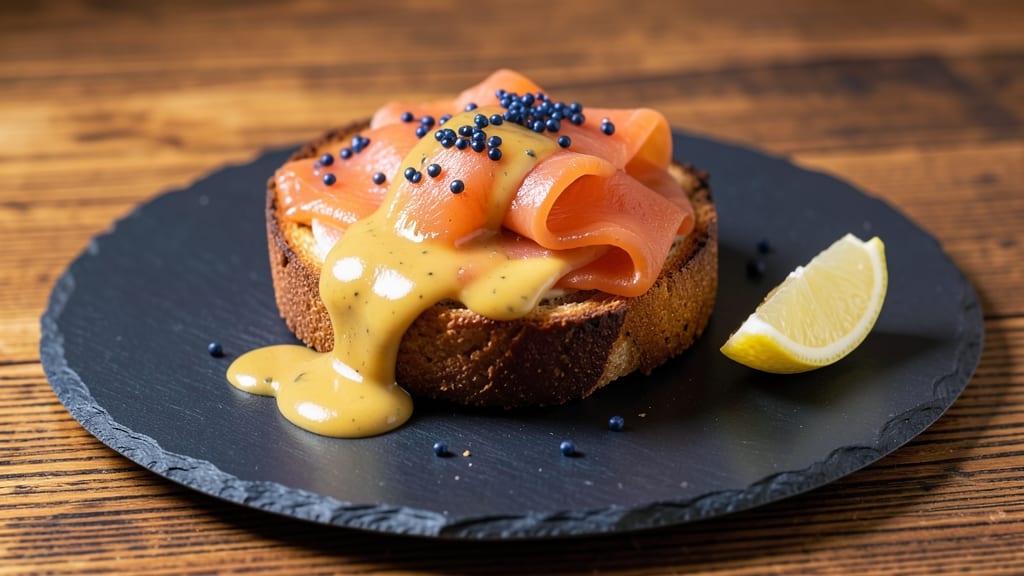
Bobby Flay's Eggs Benedict recipe delivers the perfectly poached eggs and crispy hollandaise that make this brunch classic unforgettable. After mastering the technique in his restaurants, I’ve adapted it for home cooks—no shortcuts, just restaurant-quality results.
The secret lies in a properly tempered hollandaise sauce that stays silky and a vinegar-water poaching method for eggs that never overcook.
What sets this recipe apart is Bobby’s signature approach to balance: a golden-brown English muffin base, perfectly poached eggs with runny yolks, and a hollandaise so rich it clings to every bite.
The sauce requires precision—too hot, and it breaks; too cool, and it won’t emulsify—but once you nail the technique, it becomes foolproof. I’ve included a foolproof method for tempering the butter to avoid curdling, even if you’re new to hollandaise.
The final dish is a symphony of textures: the crispy toasted muffin, tender poached eggs with vibrant yolks, and the velvety hollandaise that ties everything together. Topped with smoked salmon or crispy ham, this Eggs Benedict feels like a Sunday brunch indulgence without the fuss.
The key is timing—poach the eggs just before serving to keep them warm and the yolks perfectly runny.
Whether you’re hosting a brunch crowd or treating yourself to a luxurious breakfast, this recipe delivers every time. The hollandaise stays stable, the eggs poach flawlessly, and the assembly is simple once you’ve mastered the sauce. Let’s get started on creating your best Eggs Benedict yet.
Ingredients for bobby flay eggs benedict
Restaurant-quality ingredients for a brunch classic that delivers perfect poached eggs and velvety hollandaise every time.
| Ingredient | Amount | Notes |
|---|---|---|
| Large Eggs 🥚 | 8 whole | Fresh, room temperature |
| Unsalted Butter 🧈 | 1 cup | Cold, cut into cubes |
| Fresh Lemon Juice 🍋 | 2 tbsp | From Meyer lemons preferred |
| English Muffins 🍞 | 8 whole | Sliced in half, toasted |
| Smoked Salmon 🐟 | 8 oz | High-quality, thinly sliced |
| White Vinegar 💧 | ½ cup | White distilled preferred |
| Diamond Crystal Kosher Salt 🧂 | 1 ½ tsp | For poaching liquid |
| Granulated Sugar 🍚 | 1 tsp | For hollandaise sweetness |
| Fresh Chives 🌿 | 2 tbsp | Finely chopped, for garnish |
| Heavy Cream 🥛 | ¼ cup | Full-fat, chilled |
| Cayenne Pepper 🔥 | ¼ tsp | Pinch for sauce heat |
| Black Pepper 🌶️ | ¼ tsp | Freshly cracked |
| Water 💧 | 4 cups | For poaching liquid |
The butter quality makes or breaks hollandaise—Plugrá or European-style unsalted is non-negotiable. Keep it cold until the last moment to prevent premature melting. For the eggs, freedom-range or organic yields richer yolks, but any fresh eggs work if they're room temperature. The smoked salmon should be high-fat, center-cut for that luxurious melt—avoid the thin, dry slices. If you can't find Meyer lemons, regular lemons work but add a pinch of sugar to balance the tartness. The Diamond Crystal kosher salt is crucial for the poaching liquid—it dissolves completely without clouding the water.
No Meyer lemons? Regular lemons plus 1/4 tsp sugar mimics the sweet-tart balance. Substituting butter with margarine or dairy-free alternatives will break the hollandaise—this sauce demands full-fat dairy. For the poaching liquid, white wine vinegar can replace white vinegar at a 1:1 ratio, but the flavor profile shifts slightly. If you're vegetarian, smoked tofu or tempeh can replace salmon, though the texture differs. The chives can be swapped for green onions or parsley, but chives provide that signature brunch aroma. For a spicier kick, add a dash of hot sauce to the hollandaise after tempering.
The hollandaise must be made fresh and served immediately—it separates quickly once off the heat. Store any unused English muffin halves in an airtight container for 2 days at room temperature, but toast them again before serving. The smoked salmon keeps for 3 days in the fridge, wrapped tightly. If prepping ahead, poach the eggs up to 2 hours ahead and store them in ice water until serving—this maintains the runny yolk. The hollandaise sauce should be assembled just before plating to ensure maximum silkiness. For leftovers, reheat the hollandaise components separately and re-temper, but the texture won't be as luxurious as fresh.
Why You'll Love This Recipe
- Weekend Breakfast Hero: I’ll be real—this is the dish I pull out when I want to feel fancy without actually trying. The smoked salmon adds that luxurious touch, but honestly? The real star is that 1 cup of cold butter melting into the hollandaise—it’s rich, it’s velvety, and it makes everything taste like a five-star brunch. No fancy plating skills required.
- No-Fuss Poaching Magic: Between us, poaching eggs used to stress me out. But this recipe? The gentle simmer and white vinegar trick keep the whites tight and glossy while the yolks stay runny-perfect. Toast the muffins first, and you’re already halfway to done—no juggling multiple burners or last-minute scrambling. It’s the kind of recipe that lets you sip coffee while you cook.
- Brunch or Lunch Flex: Here’s what sold me—this isn’t just a Sunday morning dish. The smoked salmon makes it feel special enough for a weekend brunch, but the English muffins and heavy cream hollandaise keep it hearty enough for a weekday lunch. Double the batch, and you’ve got a crowd-pleaser for game day or a lazy Saturday. Honestly, I’ve served it at both.
- Leftovers That Don’t Suck: Most Eggs Benedict recipes leave you with sad, watery eggs if you try to reheat them. Not this one. The toasted muffins stay crisp for 2 days if stored right, and the smoked salmon holds up for 3 days in the fridge—just reassemble with fresh hollandaise (because, let’s face it, you’ll want to make a fresh batch anyway). It’s the only brunch dish I don’t dread making extra of.
Step-by-step instructions for Bobby Flay's eggs benedict
Here's the method for restaurant-quality Eggs Benedict with crispy hollandaise and perfectly poached eggs.
Prepare the Poaching Liquid and Toast the Muffins
In a medium saucepan, combine the 4 cups water, 1.5 teaspoons diamond crystal kosher salt, and 1 tablespoon granulated sugar. Bring to a gentle simmer over medium-low heat—the liquid should shimmer but not boil vigorously. This controlled temperature prevents eggs from curling or overcooking. While the liquid heats, slice the 8 whole english muffins in half horizontally and toast them in a preheated 350°F oven for 5-7 minutes until golden brown. The muffins should be crisp enough to hold their shape but still soft enough to bite through.
Keep the poaching liquid at a bare simmer—if it boils, reduce the heat immediately. The white vinegar (0.5 cup) will be added later to help the whites coagulate more cleanly. Toasting the muffins first ensures they're ready when the eggs are poached, and the salted water mimics the flavor of the hollandaise you'll make next.
Make the Hollandaise Sauce
Place the 1 cup unsalted butter in a heatproof bowl set over a saucepan of barely simmering water—this creates a double boiler. Add the 2 whole large eggs, 2 tablespoons fresh lemon juice, 0.25 teaspoon cayenne pepper, and 0.25 teaspoon black pepper. Whisk vigorously for 3-5 minutes until the mixture thickens and turns a pale, creamy yellow. The sauce should coat the back of a spoon but still flow smoothly.
Here's the thing—this sauce is temperamental. If it curdles, whisk in 1 tablespoon heavy cream at a time until smooth. Remove the bowl from the heat and stir in the 0.25 cup heavy cream to add richness and stabilize the emulsion. Keep the hollandaise warm in a 200°F oven while you poach the eggs. The residual heat maintains its consistency without overcooking it.
Poach the Eggs to Perfection
Crack each of the 8 whole large eggs into a small ramekin. Gently stir the simmering poaching liquid to create a gentle vortex, then slide the egg into the center. Poach for 3 minutes for runny yolks or 3 minutes 30 seconds for slightly firmer yolks. Use a slotted spoon to remove the eggs and drain them on a paper towel-lined plate. The whites should be set but still tender, with a glossy sheen.
Add the 0.5 cup white vinegar to the poaching liquid after each egg—this keeps the liquid acidic and prevents the whites from spreading too much. If the eggs curl, they're overcooked; if they're too loose, the liquid wasn't hot enough. The key is consistency: 180°F water temperature is ideal, but a gentle simmer is your best guide.
Assemble the Eggs Benedict
Spread a layer of 8 oz smoked salmon over each toasted muffin half, arranging the slices evenly. Top each with a poached egg, ensuring the yolk is centered. Ladle 2 tablespoons hollandaise sauce over each egg, letting it cascade down the sides. The sauce should cling to the egg and muffin without pooling—if it's too thick, thin with 1 teaspoon hot water from the poaching liquid.
Garnish immediately with the 2 tablespoons finely chopped fresh chives, sprinkling them over the hollandaise for a pop of color and freshness. Serve each portion right away—the hollandaise thickens as it cools, and the eggs lose their delicate texture. This is where the magic happens: the crispy muffin, smoky salmon, creamy hollandaise, and tender egg all come together in one perfect bite.
Pro Tips For Making Bobby Flay Eggs Benedict
- Test the Poaching Water: Use your finger to check the poaching liquid’s temperature—it should feel like a warm bath, not a sauna. If it’s too hot, the eggs will scramble; if too cool, they’ll turn into sad, loose blobs. A gentle simmer with just tiny bubbles at the edges is your sweet spot.
- Chill the Butter Cubes: Keep that 1 cup of unsalted butter cold and cubed until you’re ready to melt it into hollandaise. Warm butter makes the sauce split like a bad relationship—start with ice-cold cubes to give the emulsion a fighting chance.
- Don’t Overcrowd the Eggs: Poach one egg at a time, or the whites will fight for space and turn into a tangled mess. Stir the water into a vortex before sliding each egg in—this keeps them neat and centered, not curling like a confused crab.
- Warm the Muffins First: Toast the English muffins before you even think about poaching the eggs. Cold muffins soak up hollandaise like a sponge, turning your dish into a soggy disappointment. Crispy toast holds up to the sauce and keeps every bite perfect.
Creative variations of these flavors
Smoked Salmon Twist
Bobby Flay often elevates Eggs Benedict with smoked salmon instead of traditional ham or Canadian bacon. The 8 oz high-quality smoked salmon adds a luxurious, smoky depth that pairs perfectly with the creamy hollandaise. For this variation, I recommend using center-cut salmon with higher fat content—it melts beautifully when warmed.
Spread the slices evenly over the toasted muffin halves before adding the poached egg. The salmon should be thinly sliced (about 1/8-inch thick) so it doesn’t overwhelm the dish. 🐟
Spicy Cayenne Kick
For a bold flavor twist, increase the cayenne pepper in the hollandaise to ½ teaspoon instead of the original ¼ teaspoon. This adds a subtle heat that cuts through the richness of the butter and eggs.
I also like adding 1 teaspoon hot honey drizzled over the finished dish—it balances the spice with sweetness while keeping the presentation elegant. The fresh chives garnish adds a fresh counterpoint to the heat. 🔥
Herb-Infused Hollandaise
Swap the traditional hollandaise for a herb-infused version by adding 1 tablespoon finely chopped tarragon or 1 teaspoon dried chervil to the sauce base. These herbs complement the lemon and butter beautifully, adding an aromatic depth that feels unexpectedly sophisticated.
For a garlic twist, infuse the butter with 2 minced garlic cloves before melting it—simmer the cold cubed butter with the garlic in the double boiler for 2 minutes before adding the eggs. This adds a subtle, savory warmth. 🌿
Avocado Lime Update
For a lighter, brighter take, replace half of the hollandaise with a lime avocado sauce. Blend ½ ripe avocado, 2 tablespoons lime juice, 1 tablespoon heavy cream, and ¼ teaspoon salt until smooth.
Drizzle this over the poached eggs and salmon for a creamy yet refreshing contrast. The lime juice brightens the dish, while the avocado adds a velvety texture. Garnish with cilantro instead of chives for a fresh, zesty finish. 💛
Breakfast Benedict
Transform this into a savory breakfast dish by serving it with a side of crispy home fries or a smoked Gouda hash. The smoky, salty fries add a satisfying crunch that balances the creamy Eggs Benedict.
For an extra indulgent touch, top the dish with crispy fried shallots—their caramelized sweetness elevates the entire plate. This version feels heartier and perfect for a weekend brunch spread. ⚡
Nutrition facts
Frequently asked questions
Can I make hollandaise ahead of time?
Fresh hollandaise is essential—it separates quickly when reheated. For efficiency, prepare all components separately: melt the 1 cup unsalted butter and whisk the 2 whole eggs, 2 tbsp lemon juice, and 0.25 cup heavy cream separately. Recombine over a double boiler for 2-3 minutes just before serving to restore its silky texture.
Why did my poached eggs turn out rubbery?
Rubbery eggs usually mean the poaching liquid was too hot or the eggs sat too long. Keep the water at a gentle simmer (180°F) and poach for exactly 3 minutes for runny yolks. If the whites spread too much, add 0.5 cup white vinegar to the water—this helps them set more cleanly.
What’s the best way to reheat leftover hollandaise?
Leftover hollandaise can’t be reheated directly, but you can salvage it. Separate the components, melt the 1 cup butter in a double boiler, then whisk in the egg yolks and 0.25 cup heavy cream over low heat until thickened. The texture won’t be identical, but it’ll be smoother than separated sauce.
Can I substitute ham for the smoked salmon?
Use 8 oz high-quality ham or Canadian bacon, thinly sliced and warmed. For extra flavor, pan-sear the ham until crispy before assembling. The smoky depth of salmon is lost, but the salty, savory contrast still works beautifully with the creamy hollandaise.
How do I fix broken hollandaise?
If your hollandaise curdles, don’t panic! Whisk in 1 tbsp heavy cream at a time until smooth. For extra insurance, strain the sauce through a fine-mesh sieve to remove any lumps. If it’s too thin, cook it gently in a double boiler until it thickens slightly—just don’t overheat it.