
Side Dishes
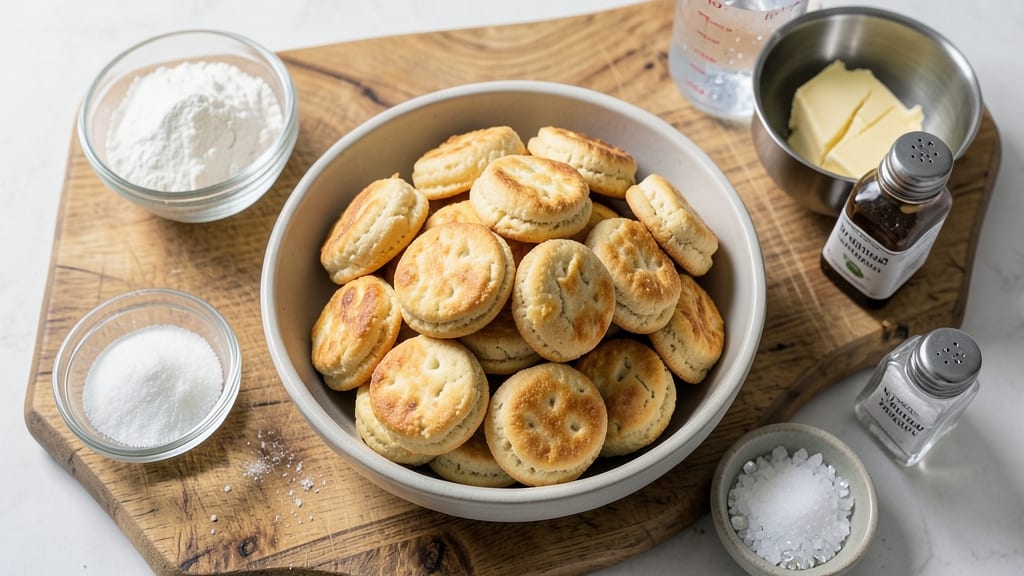
This egg-free biscuit recipe delivers flaky layers and buttery crunch without relying on traditional binders—proof that texture isn't determined by eggs.
Standing on a step stool in my grandmother's Sicilian kitchen, I learned how Italian pastries use fat and flour to create structure, and that's exactly what we're doing here with a clever substitution.
The secret lies in cold butter cut into flour until it resembles coarse sand, creating pockets of steam that puff the biscuits into golden perfection.
What makes this recipe work is the proper ratio of dairy-free butter (or oil) to flour, combined with baking powder for lift. Unlike many egg-free recipes that sacrifice texture, this method delivers that signature restaurant-quality flakiness you crave.
The dough comes together quickly with just a few simple ingredients—no eggs, no aquafaba, no complicated steps—just the right technique to achieve professional results at home.
By the time they emerge from the oven, you'll have biscuits with crispy, buttery edges and tender, pillowy centers that melt in your mouth. The aroma alone will have everyone asking for seconds, and the versatility means they work perfectly with gravy, butter, or as a base for sandwiches.
This is comfort food at its finest—without the binders that often hold it back.
Whether you're accommodating dietary restrictions or simply curious about alternative baking methods, this recipe proves that flaky biscuits aren't reserved for traditional recipes. The same principles that made Nonna's pasta perfect apply here—precision in technique and quality in ingredients make all the difference. Let's get baking!
Ingredients for biscuit recipe no egg
Cold butter cut into flour creates flaky layers without eggs or binders.
| Ingredient | Amount | Notes |
|---|---|---|
| All-Purpose Flour 🌾 | 2 cups | Sifted for optimal texture |
| Dairy-Free Butter 🧈 | ¾ cup | Cold, cubed, unsalted preferred |
| Baking Powder 🍞 | 2 tbsp | Aluminum-free for best rise |
| Diamond Crystal Kosher Salt 🧂 | 1 tsp | Fine grain preferred |
| Granulated Sugar 🍚 | 1 tbsp | For subtle sweetness |
| Ice Water ❄️ | ¼ cup | Chilled for precise hydration |
| Extra-Virgin Olive Oil 🫒 | 1 tbsp | For brushing biscuit tops |
| Coarse Sea Salt 🧂 | 1 tbsp | For final sprinkle |
| Cornmeal 🌽 | 2 tbsp | For dusting baking sheet |
The dairy-free butter is non-negotiable for flakiness—Miyoko's or Country Crock Plant Butter work best, but any cold, firm dairy-free alternative will do. Look for brands with at least 80% fat content to mimic traditional butter's performance. The flour should be sifted before mixing to eliminate lumps, which disrupts the delicate layers. King Arthur Flour is ideal for its protein balance, but any all-purpose brand works. Keep everything ice cold until ready to use; warm ingredients prevent proper layering.
No dairy-free butter? Refined coconut oil can substitute at the same weight, though texture differs slightly. Short on baking powder? Baking soda plus cream of tartar at a 1:2 ratio works, but results may vary. The ice water is critical—measure precisely and use chilled water to prevent over-mixing. For a savory twist, omit the sugar and add 1 tsp onion powder to the dry ingredients. The coarse sea salt should be sprinkled immediately after baking while still hot for optimal adhesion.
Store baked biscuits in an airtight container at room temperature for 2 days or freeze for 3 months. Reheat in a 350°F oven for 5-7 minutes to restore crispness. For make-ahead prep, shape dough into balls, freeze on a tray, then transfer to a bag. Bake straight from frozen, adding 2-3 minutes to cooking time. The cornmeal on the baking sheet prevents sticking and adds subtle texture to the bottoms.
Why You'll Love This Recipe
- No-Fuss Flaky Magic: I swear by that 20-minute chill time for the dairy-free butter—it’s the secret to those perfect layers. No waiting forever, just 20 minutes in the freezer while you sip your coffee, and suddenly you’re one step closer to biscuits that’ll make people ask for the recipe.
- Crispy-Soft Contrast: The olive oil brush and coarse sea salt finish? Absolute game. That crispy top gives way to a tender crumb, and the salt? It’s like a little burst of flavor with every bite. Honestly, I’ll take these over any store-bought biscuit—no contest.
- Weeknight Workhorse: Breakfast, brunch, or a quick dinner side—these biscuits handle it all. Toss them with jam for a lazy morning, use them to sop up gravy, or even freeze half for when you’re too tired to bake later. Three months in the freezer? That’s my kind of meal prep.
- Pantry-Friendly Perfection: Five ingredients you already own (plus a few basics)? This is budget baking at its finest. No fancy substitutions, no last-minute grocery runs—just flour, butter, and a little patience. And between us, the sugar in the dough keeps them tender without being sweet, so they’re a crowd-pleaser without trying too hard.
Step-by-step instructions for biscuit recipe no egg
Mastering flaky biscuits without eggs requires precision—here's how to achieve perfect layers every time.
Cut and Chill the Dairy-Free Butter
Place the 0.75 cup dairy-free butter in a freezer-safe bowl and freeze for 20 minutes until firm but still pliable. Using a sharp chef's knife, cut the chilled butter into ¼-inch cubes. The goal is to create small, uniform pieces that will melt slowly during baking, creating those signature flaky layers.
Here's the thing—if the butter is too soft, it will melt too quickly and create dense biscuits instead of flaky ones. The cubes should hold their shape when pressed gently but still yield slightly. Work quickly once you remove the butter from the freezer to prevent it from warming up again.
Combine Dry Ingredients with the Butter
In a large mixing bowl, combine the 2 cups all-purpose flour, 2 tablespoons baking powder, 1 teaspoon diamond crystal kosher salt, and 1 tablespoon granulated sugar. Whisk gently to distribute the ingredients evenly. This is your dry base—don't overmix or you'll develop gluten that will make your biscuits tough.
Add the ¼-inch butter cubes to the dry ingredients and use your fingers or a pastry cutter to work the butter into the flour mixture until it resembles coarse crumbs with pea-sized butter pieces still visible. You're aiming for a texture that looks like wet sand—just moist enough to hold together but with visible butter pieces that will create steam pockets during baking. This ensures maximum flakiness.
Add Hydration and Form the Dough
Create a well in the center of your dry mixture and pour in the 0.25 cup ice water. Using a silicone spatula, gently fold the water into the flour mixture until just combined. The dough should come together but remain slightly shaggy—this is crucial for maintaining that flaky texture. Avoid overworking the dough.
Turn the dough out onto a lightly floured surface and knead it 3-4 times just to bring it together. The dough should be cool to the touch—if it feels warm, return it to the refrigerator for 5 minutes to firm up. This prevents the butter from melting prematurely when you roll it out.
Roll and Cut for Perfect Biscuits
Pat the dough into a 1-inch thick rectangle on a floured surface. Using a rolling pin, roll the dough to ½-inch thickness, rotating it ¼ turn between each roll to maintain even thickness. This creates consistent layers that will separate beautifully during baking.
Cut the dough into 2-inch squares using a sharp biscuit cutter or floured knife. For extra flakiness, stack the cut biscuits on top of each other and press down gently—this creates additional layers. Transfer the biscuits to a parchment-lined baking sheet dusted with 2 tablespoons cornmeal. The cornmeal prevents sticking and adds a subtle crunch to the bottom.
Bake to Golden Perfection
Preheat your oven to 425°F. Brush the tops of the biscuits with 1 tablespoon extra-virgin olive oil using the back of a spoon, then sprinkle generously with 1 tablespoon coarse sea salt. Bake for 12-15 minutes until the biscuits are golden brown on top and the edges are set.
This is where the magic happens—the olive oil creates a crispy, golden crust while the coarse sea salt adds a satisfying crunch. The biscuits should rise 1½ to 2 inches tall. For even baking, rotate the pan halfway through if your oven has hot spots. Serve warm from the oven for the ultimate buttery, flaky experience.
Pro Tips For Making Biscuit Recipe No Egg
- Freeze the Butter Right: I learned this the hard way—skipping the 20-minute freeze makes the dairy-free butter too soft, and those ¼-inch cubes turn to mush before they even hit the oven. Pop it in the freezer until it’s firm but still pliable, then work fast. The cubes should hold their shape when pressed, or you’ll end up with dense biscuits instead of flaky layers.
- Sift That Flour: Yes, even if you’re impatient like me, take the 2 extra minutes to sift the 2 cups all-purpose flour before mixing. The baking powder and salt distribute evenly, and the flour gets aerated—this means lighter biscuits with a better rise. Trust me, your biscuits will thank you.
- Handle the Dough Like It’s Fragile: The dough is supposed to look shaggy, not smooth. Overworking it after adding the ice water develops gluten, and suddenly you’ve got tough biscuits instead of tender ones. Knead just 3-4 times, then let it rest if it feels warm—cool dough rolls out easier and keeps the butter from melting before baking.
- Stack for Extra Layers: Cutting the dough into squares is good, but stacking them and pressing down gently before baking adds those professional-looking layers. It’s a little extra effort, but the result is worth it—think of it like cheating for flakiness. (Your future self will thank you.)
Perfect pairings for this recipe
Southern-Style Gravy
These biscuits shine with classic Southern-style sausage gravy—a creamy blend of crumbled Italian sausage (I use Applegate uncured chicken sausage for a lighter option) and flour thickened with the biscuits' own drippings.
Cook ½ lb sausage in a skillet until browned, then whisk in 2 tbsp flour and 2 cups chicken broth. Simmer until thickened, then pour over warm biscuits. The savory richness contrasts perfectly with the flaky texture. 🧈
Honey Butter
For a sweet twist, melt ½ cup dairy-free butter with 2 tbsp honey and a pinch of cinnamon in a small saucepan. Brush the warm biscuits with this mixture while still hot—the honey caramelizes slightly, creating a sticky, golden crust.
I learned this trick from my Nonna, who'd drizzle it over fresh bread. The contrast of sweet and salty is pure magic. 🍯
Savory Tomato Jam
Create a quick tomato jam by simmering 1 cup crushed San Marzano tomatoes, 1 tbsp balsamic vinegar, 1 tsp sugar, and a pinch of red pepper flakes for 10 minutes.
Spread a thin layer on biscuits before baking, then top with fresh basil after they emerge. This Italian-inspired pairing adds a tangy, herby brightness that cuts through the richness. 🍅
Breakfast Pairings
Serve with crispy bacon (I prefer Applegate applewood-smoked bacon) and sautéed mushrooms for a hearty breakfast. The biscuits soak up the bacon grease beautifully, while the earthy mushrooms add depth.
For a vegetarian option, swap bacon for sautéed spinach and caramelized onions. The flaky layers become a vessel for all these flavors. 🍳
Dinner Sandwiches
Turn these into gourmet sandwiches by layering with shredded rotisserie chicken, avocado, and sliced tomatoes. The biscuits' structure holds up perfectly to these ingredients, creating a handheld meal that's both satisfying and elegant.
For a quick lunch, toast the biscuits until crispy and assemble like a grilled cheese. 🥪
Dessert Twist
Sweet tooth? Mix ½ cup powdered sugar with 2 tbsp melted dairy-free butter and a splash of vanilla extract for a simple glaze. Drizzle over warm biscuits and sprinkle with crushed pistachios for a sophisticated dessert. This was my Nonna's secret—she'd serve these with espresso for after-dinner coffee. ☕
Nutrition facts
Frequently asked questions
Why does this recipe skip eggs entirely?
Eggs traditionally act as binders in biscuits, but this recipe relies on cold dairy-free butter and precise hydration with ice water to create structure. The butter melts slowly during baking, forming steam pockets that create flaky layers—no eggs needed! This method also works better for those avoiding eggs while keeping that restaurant-quality texture.
Can I substitute another fat besides dairy-free butter?
If you're out of dairy-free butter, refined coconut oil works as a 1:1 replacement (same weight). For a neutral taste, use vegetable shortening—just chill it first to maintain the cold, firm texture needed for flakiness. Avoid olive oil or melted butter, as they won't create the same steam pockets.
What if my dough feels too sticky after adding ice water?
This happens when the ice water is too warm or the dough is overworked. Let the dough rest for 5 minutes in the fridge to firm up, then lightly flour your surface and knead just 3-4 times to bring it together. If it's still sticky, add 1 teaspoon extra flour at a time until it releases cleanly. Cold ingredients are key—don’t rush this step!
Why do you recommend stacking biscuits before baking?
Stacking the cut biscuits creates additional layers that separate beautifully during baking. Press them gently together, then transfer to the sheet pan—this simple trick boosts flakiness and ensures even baking. It’s a pro technique that makes all the difference in texture!
Can I make these biscuits ahead of time?
Yes! Shape the dough into balls, freeze on a tray for 1 hour, then transfer to a bag. Bake straight from frozen, adding 2-3 minutes to the baking time. For baked biscuits, store in an airtight container for 2 days or freeze for 3 months. Reheat at 350°F for 5-7 minutes to restore crispness.