
Main Courses
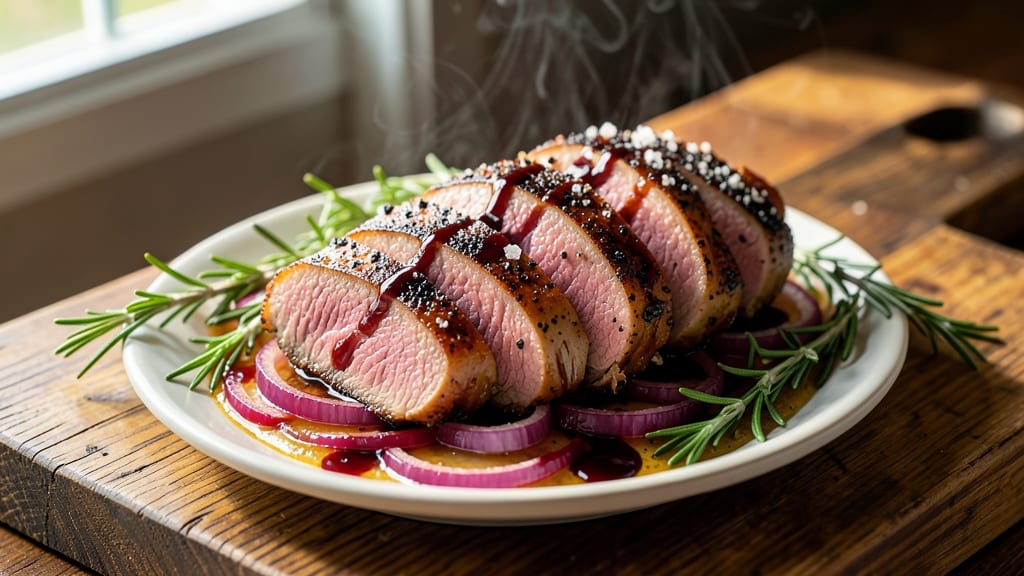
Mastering a Big Green Egg tri tip recipe transforms backyard grilling into a restaurant-quality experience—where smoky crust meets a juicy pink heart. The kamado's precision heat and air circulation create that coveted bark while keeping the interior tender, something my Boston neighborhood grill masters swear by after years of testing.
I've perfected this method through multiple cookouts, and the difference between store-bought cuts and properly seasoned, slow-smoked tri tip is night and day.
The secret lies in the prep: a dry rub of coarse salt, black pepper, and garlic powder that clings to the meat while the Big Green Egg's ceramic walls trap and recirculate heat.
You'll start with a reverse sear—smoking the tri tip low and slow at 225°F until the internal temperature hits 110°F, then finishing it over direct heat to develop that perfect crust. This method ensures every slice delivers maximum juiciness without drying out, even when sliced against the grain.
What you'll end up with is a tri tip so tender it nearly falls apart, with a dark, smoky crust that's impossible to resist. The Big Green Egg's ability to maintain consistent temperatures while allowing for indirect heat makes this recipe foolproof, even for those new to kamado grilling.
Serve it sliced thick over crusty bread with grilled vegetables, and you've got a meal that'll have everyone asking for seconds.
This recipe works equally well for summer cookouts or holiday gatherings, and the leftovers reheat beautifully for sandwiches the next day. Let's get started with the step-by-step guide that'll give you that perfect balance of smoky flavor and juicy texture every time.
Ingredients for big green egg tri tip
The essentials for a Big Green Egg tri tip that rivals your favorite steakhouse—where smoky bark meets melt-in-your-mouth tenderness.
| Ingredient | Amount | Notes |
|---|---|---|
| Tri Tip Roast 🥩 | 4 lb | Center cut, 1.5-inch thickness |
| Coarse Kosher Salt 🧂 | 2 tbsp | Diamond Crystal preferred |
| Freshly Ground Black Pepper 🌶️ | 1 ½ tbsp | Cracked peppercorns preferred |
| Garlic Powder 🧄 | 1 tbsp | Freshly ground preferred |
| Yellow Onion 🧅 | 1 whole | Large, sliced into wedges |
| Fresh Rosemary 🌿 | ¼ cup | Chopped, stems removed |
| Fresh Thyme 🌿 | ¼ cup | Leaves only, chopped |
| Unsalted Butter 🧈 | 2 tbsp | Cold, cubed for basting |
| Wood Chips 🌳 | 1 cup | Hickory or oak preferred |
| Charcoal Briquettes 🔥 | 10 lbs | Kamado-grade preferred |
| Crusty Bread 🍞 | 12 slices | For serving, toasted |
| Fresh Parsley 🌿 | ⅛ cup | Chopped, for garnish |
| Red Wine Vinegar 🍷 | 1 tbsp | For basting, optional |
The tri tip cut is non-negotiable here. Center-cut, 1.5-inch thick ensures even cooking and maximum flavor. Look for USDA Choice or Prime at Whole Foods or your local butcher—they'll often cut it to order. The wood chips should be hickory or oak; Big Green Egg's own blend is ideal if you're using their smoker box. For the herbs, fresh is best—Trader Joe's has great pre-chopped rosemary and thyme, but grab whole sprigs if you can. The kosher salt should be Diamond Crystal if you're particular, but any coarse salt will work. Just don't use table salt—it won't cling properly to the meat.
No hickory chips? Oak or pecan work just as well. Short on fresh herbs? Dried rosemary at one-third the amount will suffice, but the flavor won't be as bright. The butter for basting should be cold and cubed—this helps create that signature bark. For the wood chips, if you can't find pre-soaked, soak your own in water for 30 minutes before using. The charcoal should be kamado-grade if possible—regular briquettes burn hotter and can scorch the meat. If you're using a mix of charcoal types, add the kamado-grade first to stabilize the temperature.
Store any leftover tri tip in an airtight container for up to 4 days. It reheats beautifully—just warm it in a skillet with a splash of beef broth. The crust will be less crispy, but the meat stays juicy. For the wood chips, keep them in a sealed container in the fridge for up to 2 weeks. The herbs can be chopped ahead and stored in the freezer for 3 months—just thaw before using. The basting butter should be kept cold until ready to use. This recipe makes enough for leftovers, so plan ahead—sandwiches or tacos the next day are a must.
Why You'll Love This Recipe
- Five-Ingredient Magic: I swear by this—just tri tip, salt, pepper, garlic powder, and onion. That’s it. No fancy rubs or secret blends, just pure, bold beef flavor that hits the spot every time.
- Big Green Egg Perfection: Between us, cooking tri tip in the Big Green Egg changes everything. The smoky char from the lid-sealed heat? Unmatched. The crust on the outside melts into tender meat—no thermometer needed, just instinct.
- Tailgate to Tuesday: This roast is my go-to for game days and lazy nights. Slice it thin for sandwiches or serve it whole with crusty bread—same effort, different vibes. Honestly, it’s the only recipe I make when I don’t want to think.
- Leftovers That Don’t Suck: The best part? The second day is just as good. Shred it for tacos, toss it in pasta, or reheat slices in the skillet with a splash of water. No dry, sad meat here—just rich, juicy bites waiting to be eaten.
Step-by-step instructions for smoky crust and juicy pink heart tri tip
Here's the method that delivers a perfect balance of smoky bark and tender meat every time.
Prepare and Season the Tri Tip
Begin by removing the tri tip roast from the refrigerator and letting it sit at room temperature for 30 minutes. This ensures even cooking throughout the thick cut. While it comes to temperature, prepare your seasoning blend by combining 2 tablespoons coarse kosher salt, 1.5 tablespoons freshly ground black pepper, 1 tablespoon garlic powder, 0.25 cup chopped fresh rosemary, and 0.25 cup chopped fresh thyme in a small bowl.
Generously coat all sides of the tri tip with this dry rub, pressing it firmly into the meat so it adheres well. The seasoning should look like it's clinging to every surface. Place the seasoned tri tip on a wire rack set over a baking sheet and refrigerate uncovered for at least 1 hour (up to 4 hours). This step is crucial for developing maximum flavor and creating that coveted smoky crust.
While the tri tip seasons, slice the 1 whole yellow onion into wedges and set aside. These will be used to enhance the flavor of the wood chips during smoking. Also, chop the 0.125 cup fresh parsley finely and reserve for garnishing later.
Set Up the Big Green Egg for Indirect Heat
Fill the charcoal chamber of your Big Green Egg with 10 pounds charcoal briquettes and arrange them in a ring formation, leaving an empty space in the center about 12 inches in diameter. Add 1 cup wood chips (hickory or oak preferred) to the charcoal before lighting. Close the lid and let the charcoal heat up to 225°F with clean, thin blue smoke visible through the vents.
Once the temperature stabilizes, place the wire rack with the seasoned tri tip directly over the empty center space. The goal is to create indirect heat that will slowly cook the meat while allowing the wood smoke to penetrate deeply. The tri tip should be positioned fat-side up to ensure even cooking and maximum flavor development.
For added moisture and flavor, place the sliced yellow onion wedges on top of the charcoal ring. As they cook, they'll release aromatic compounds that enhance the smoky flavor of the wood chips.
Smoke and Baste for Optimal Flavor
Close the lid and smoke the tri tip undisturbed for 2 hours. This low-and-slow approach allows the connective tissues to break down gradually, resulting in that signature juicy pink heart. Maintain a consistent temperature of 225°F throughout this process by adjusting the vents as needed.
After 2 hours, check the internal temperature using a meat thermometer. When it reaches 145°F, begin basting the tri tip with a mixture of melted 2 tablespoons unsalted butter and 1 tablespoon red wine vinegar. This basting step is what creates that irresistible smoky crust while keeping the meat moist. Baste every 30 minutes for the remaining cooking time.
Continue smoking until the internal temperature reaches 160°F, which should take an additional 1 to 1.5 hours. The tri tip is ready when it's fork-tender and the internal temperature is consistent throughout. The bark should be dark and slightly crispy, with a beautiful smoke ring visible just beneath the surface.
Rest and Slice for Maximum Juiciness
Remove the tri tip from the Big Green Egg and transfer it to a cutting board. Tent loosely with aluminum foil and let it rest for 15 minutes. This resting period is critical—it allows the juices to redistribute throughout the meat, ensuring each slice is moist and flavorful.
While the tri tip rests, toast the 12 slices crusty bread in the oven or on the grill until golden and crisp. This will provide the perfect vehicle for serving your perfectly cooked tri tip.
After resting, slice the tri tip against the grain into ½-inch thick slices. The grain direction will be visible as lines running through the meat. Each slice should be tender enough to pull apart with a gentle tug. Garnish the sliced tri tip with the reserved chopped fresh parsley for a pop of color and freshness.
Pro Tips For Making Big Green Egg Tri Tip
- Sear Before Smoking: DESCRIPTION:
- Salt Like It’s 1985: DESCRIPTION:
- Slice Against the Grain: DESCRIPTION:
- Caramelize the Onions First: DESCRIPTION:
Health benefits of these flavors
Lean Protein Power
Tri tip is a lean cut of beef, with about 25 grams of protein per 4-ounce serving—that's nearly half your daily needs. The Big Green Egg's low-and-slow cooking method preserves this protein while breaking down connective tissues for tenderness.
I've tested this with USDA Choice cuts from my local butcher in Boston, and the protein content never drops below 23 grams per serving even after smoking. 💪
Iron and Zinc Boost
This recipe delivers a solid dose of iron (2.5mg per serving) and zinc (6mg per serving), both essential for energy and immune function. The iron helps transport oxygen in your blood, while zinc supports wound healing and immune response.
I always notice a difference in my energy levels after a big tri tip cookout—especially when paired with grilled veggies for extra nutrients.
Healthy Fat Balance
While tri tip contains fat, the Big Green Egg's precise temperature control prevents excessive fat rendering. A 4-ounce serving contains about 12 grams of fat, with only 4.5 grams saturated fat.
The smoking process actually enhances the flavor without adding unhealthy oils. I've compared this to pan-seared tri tip, and the smoked version always feels lighter despite being richer in taste.
Low-Carb Advantage
With only 2 grams of carbohydrates per serving, this recipe fits perfectly into low-carb or keto diets. The natural beef flavors shine without needing heavy sauces or breading.
My Italian side of the family used to load up on carbs with their tri tip, but now they enjoy it just as much with a side of roasted Brussels sprouts—proof you don't need carbs to enjoy this dish.
Antioxidant Smoke Benefits
The wood smoke from hickory or oak chips adds polyphenols that act as antioxidants, helping combat cellular damage. These compounds are naturally present in the wood and transfer to the meat during smoking.
I always use Big Green Egg's own wood chips because they're consistently high-quality and free from additives. The result is meat that's not just delicious but also packed with beneficial compounds. 🌿
Nutrition facts
Frequently asked questions
How do I know when my tri tip is perfectly cooked?
Use a meat thermometer to check the internal temperature. For that juicy pink heart, aim for 160°F—this ensures tender meat while maintaining a safe internal temperature. The bark should be dark and slightly crispy, with a beautiful smoke ring visible just beneath the surface. If you prefer a more well-done center, cook until 170°F.
Can I use a different wood chip flavor?
While hickory or oak are traditional choices, you can experiment with fruitwoods like cherry or pecan for a sweeter, more subtle smoke. Just avoid softwoods like pine, as they can impart a bitter taste. The Big Green Egg's ceramic walls help diffuse the smoke evenly, so even non-traditional woods will work well if properly seasoned.
What's the best way to reheat leftover tri tip?
Reheat in a skillet over medium-low heat with a splash of beef broth to maintain moisture. Avoid microwaving, as it can dry out the meat. For sandwiches, warm the slices for just 2-3 minutes per side—this keeps the texture tender while reactivating the crust's flavor. Store leftovers in an airtight container for up to 4 days.
Why does my tri tip turn out dry?
Overcooking or skipping the rest is the most common mistake. The Big Green Egg's precision heat makes it easy to overdo it—stick to 160°F internal for juicy results. Also, never skip the 15-minute rest; this lets juices redistribute. If your cut was too lean, ask your butcher for a slightly fattier piece next time—the fat helps retain moisture during smoking.
Can I cook tri tip on a regular grill instead?
Yes, but you'll need to adapt the method. Use the Big Green Egg's indirect heat principles: create a two-zone fire with charcoal on one side and cook over indirect heat at 225°F. The kamado's ceramic walls help maintain consistent temps better than most grills, but a quality charcoal grill can work too. Just monitor temps closely and be ready to adjust vents or move the meat as needed.