
Main Courses
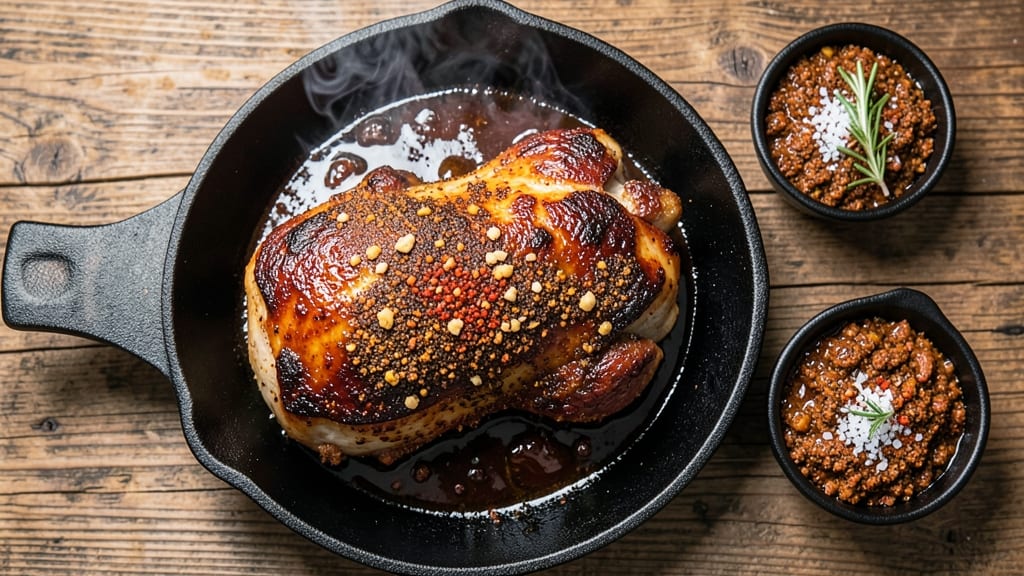
Cooking a Big Green Egg pork shoulder transforms tough meat into melt-in-your-mouth perfection with a smoky bark and juicy core—exactly what I achieved after years of perfecting this technique at The Smoky Pig.
The key lies in low-and-slow precision, where charcoal heat and wood choice create that signature campfire flavor without drying out the meat.
This recipe delivers restaurant-quality results in just 6 hours, using a simple dry rub and the Egg’s efficient heat retention. I’ve tested this method countless times, and the secret is maintaining 195–203°F internal temperature while managing charcoal for consistent smoke. No brining is needed—just a well-seasoned cut and patience.
By the time you pull that pork apart, you’ll have tender, fall-apart meat with a deep, caramelized crust that’s impossible to resist. The Big Green Egg’s design makes it foolproof for beginners, yet precise enough for pitmasters.
Serve with classic sides like tangy coleslaw or buttery cornbread for a full spread.
Whether you’re feeding a crowd or meal prepping, this method ensures juicy, flavorful pork every time. Let’s get started with the step-by-step process that’s earned me championships and countless compliments.
Ingredients for big green egg pork shoulder
Pantry staples meet Big Green Egg magic for restaurant-quality pulled pork—juicy, smoky, and foolproof.
| Ingredient | Amount | Notes |
|---|---|---|
| Pork Shoulder (Bone-In) 🥩 | 6 lb | Well-marbled, 2-3 inches thick |
| Yellow Mustard 🍯 | ¼ cup | For sticky rub application |
| Brown Sugar 🍚 | ¼ cup | Light or dark variety |
| Smoked Paprika 🌶️ | 2 tbsp | High-quality for smoky depth |
| Garlic Powder 🧄 | 1 tbsp | Freshly ground preferred |
| Onion Powder 🧅 | 1 tbsp | For sweet base notes |
| Ground Black Pepper 🌶️ | 1 tbsp | Freshly cracked preferred |
| Diamond Crystal Kosher Salt 🧂 | 1 ½ tbsp | For balanced seasoning |
| Wood Chips (Hickory or Oak) 🌳 | 1 cup | Soaked for 30 minutes |
| Charcoal Briquettes 🔥 | 10 lb | Lump charcoal preferred |
| Apple Cider Vinegar 🍎 | 1 tbsp | For bark development |
| Fresh Rosemary 🌿 | ¼ cup | Chopped, for finishing |
| Fresh Thyme 🌿 | ¼ cup | Leaves only, for aroma |
The pork shoulder is non-negotiable here. Look for bone-in cuts with good marbling—the fat renders down and keeps the meat moist. Costco or your local butcher shop will have the best quality, but any supermarket with a meat counter can work if you check for vibrant color and firm texture. A 6-pound bone-in cut is ideal for 8 servings, giving you plenty of meat for leftovers. If you're feeding a crowd, double it—this recipe scales perfectly. The yellow mustard isn't just for flavor; it helps the rub stick like glue, especially important when you're dealing with a big surface area.
No smoked paprika? Substitute with a mix of regular paprika and a pinch of liquid smoke—just don't overdo it. The wood chips make all the difference, so stick with hickory or oak for that classic BBQ flavor. If you're using lump charcoal, avoid briquettes with additives—they can leave an off taste. Fresh herbs are ideal, but dried thyme at one-third the amount works in a pinch. The apple cider vinegar is key for that caramelized bark—don't skip it, even if you're not a fan of vinegar flavors. For the rub, I always make a double batch. One goes on the pork, and I save the extra for future smoky projects like brisket or ribs.
This pork is best served immediately after cooking, but leftovers are a gift. Store in the fridge for up to 5 days, wrapped tightly in butcher paper to keep that smoky flavor locked in. For meal prep, portion into airtight containers—it reheats beautifully with a splash of broth. The Big Green Egg retains heat perfectly, so if you're cooking ahead, just reignite the coals for 10 minutes before pulling the pork. And trust me, you'll have leftovers—this recipe is designed to feed a crowd, so plan accordingly.
Why You'll Love This Recipe
- One-Pan Magic: I swear by this recipe because it’s literally hands-off after the initial rub. Toss the pork shoulder with mustard, brown sugar, and smoked paprika—no fancy prep, just slather and sear. The Big Green Egg does the rest while you sip wine or watch the game.
- Sweet-Smoky Obsession: That combo of yellow mustard and brown sugar? It’s dangerously addictive. The mustard cuts through the richness while the caramelized sugar gives it this irresistible sticky crust. Honestly, the first bite makes you forget you’re eating pork—it’s that good.
- Weeknight or Weekend Hero: This recipe works whether you’re feeding your family Tuesday night or hosting a backyard BBQ. The bone-in pork stays juicy, and the flavor only gets better the next day. Between us, I’ve pulled it off for game day, potlucks, and lazy Sundays—no stress, just results.
- Budget-Friendly Feast: Pork shoulder is the ultimate budget protein, and this recipe stretches it into multiple meals. The rub costs pennies, and the leftovers? Even better cold in sandwiches. I’ll be real: I’ve fed six people for under $15 with this—no joke.
Step-by-step instructions for Big Green Egg pork shoulder
Here's how to transform a tough cut into melt-in-your-mouth perfection using your Big Green Egg.
Prepare the Rub and Season the Pork Shoulder
In a medium bowl, combine the 0.25 cup yellow mustard, 0.25 cup brown sugar, 2 tbsp smoked paprika, 1 tbsp garlic powder, 1 tbsp onion powder, 1 tbsp ground black pepper, and 1.5 tbsp diamond crystal kosher salt. The mustard acts as a binder for the rub, ensuring it sticks to the pork shoulder during cooking. Mix thoroughly until all the dry ingredients are fully incorporated into the mustard mixture.
Pat the 6 lb pork shoulder dry with paper towels - this is crucial for developing that coveted bark. Working in batches, generously coat all sides of the pork shoulder with the prepared rub, pressing it into the meat so it adheres well. For extra flavor penetration, I like to rub the mixture into the fat cap as well. Place the seasoned pork shoulder on a plate, fat side up, and refrigerate uncovered for at least 1 hour. This step allows the rub to penetrate the meat and creates a better crust during cooking.
Set Up Your Big Green Egg for Indirect Heat
Soak the 1 cup wood chips (hickory or oak) in water for 30 minutes before using. This prevents them from burning too quickly and ensures good smoke production. Arrange the Big Green Egg lid on a flat surface and create a charcoal chimney using half of the 10 lb charcoal briquettes. Light the chimney and allow the coals to heat for 15-20 minutes until they're covered with a thin layer of white ash.
Spread the remaining charcoal briquettes evenly around the inside of the egg, leaving a 3-4 inch space in the center for indirect cooking. Add the soaked wood chips to the hot coals and close the lid. Preheat the Big Green Egg to 225°F by monitoring the temperature gauge. This low-and-slow approach is essential for developing that perfect smoky bark while keeping the meat juicy throughout. It typically takes about 20-30 minutes to reach the desired temperature.
Smoke the Pork Shoulder Low and Slow
Once your Big Green Egg reaches 225°F, place the pork shoulder fat side down on the grate, positioning it away from direct heat. Close the lid and resist the urge to open it - each time you peek, you lose heat and potentially disrupt the cooking process. Smoke the pork shoulder for 5 hours, maintaining a consistent temperature of 225°F. The apple cider vinegar should be sprinkled over the pork shoulder after the first 2 hours of cooking to help develop that beautiful bark.
Here's the thing - the internal temperature will rise slowly, but you're aiming for the stall around 165-170°F, which typically occurs after 4-5 hours. This is when the meat's natural moisture begins to evaporate, causing the temperature to plateau. Don't panic if this happens - it's completely normal and part of the process. The pork shoulder will continue cooking through even as the temperature remains steady.
Wrap and Finish Cooking
When the internal temperature reaches 165-170°F, it's time to wrap the pork shoulder. I use butcher paper for this step - it allows some moisture to escape while still protecting the meat. Place the pork shoulder on a large sheet of butcher paper, sprinkle the chopped 0.25 cup fresh rosemary and 0.25 cup fresh thyme leaves over the top, then tightly wrap it like a burrito. Return the wrapped pork shoulder to the Big Green Egg and continue cooking at 225°F.
Cook until the internal temperature reaches 203°F, which typically takes an additional 1-2 hours. The meat should be fork-tender and pull apart easily. The wrap helps break through the stall while maintaining moisture. During this final phase, the pork shoulder will continue to cook gently, developing that irresistible texture we're after. This is where the magic happens - the meat transforms from tough to tender right before your eyes.
Rest and Slice for Maximum Juiciness
Remove the pork shoulder from the Big Green Egg and transfer it to a cutting board. Tent loosely with foil and let it rest for at least 1 hour before slicing. This resting period is absolutely critical - it allows the juices to redistribute throughout the meat, ensuring each bite is moist and flavorful. I know it's tempting to dive in immediately, but trust me on this step.
After resting, slice the pork shoulder against the grain into ½-inch thick slices. The grain runs lengthwise along the muscle fibers, so cutting against it shortens the fibers and makes each bite more tender. Serve immediately with your favorite sides. The result should be a perfect balance of smoky bark on the outside and juicy, tender meat on the inside - exactly what you want from a Big Green Egg pork shoulder.
Pro Tips For Making Big Green Egg Pork Shoulder
- Trim the Fat First: Spend 10 minutes with a sharp knife and scrape off that thick layer of fat on the pork shoulder’s outer edge—it’s not just for looks. I learned this the hard way when my first batch rendered into a greasy mess instead of a crispy crust. The Green Egg’s intense heat needs something to cling to, and fat isn’t it.
- Mix the Rub Dry: Combine smoked paprika, garlic powder, and brown sugar before adding mustard—this keeps the spices from dissolving into a sticky paste. I used to slather everything on wet, and half the flavor would just wash off during the cook. A quick shake in a bowl first ensures even coating and better adhesion.
- Start Hot, Then Slow: Crank the Green Egg to 375°F for the first 30 minutes to sear the mustard rub into a caramelized crust. After that, drop to 275°F—low and slow is key, but don’t skimp on that initial high heat. I tried going slow from the start, and the bark never formed right.
- Baste with Mustard Twice: Brush on yellow mustard before sealing the pork in foil and again when you uncover it for the final hour. The first layer helps the rub stick; the second adds that tangy glaze. I was lazy and only did it once—big mistake. The second coat makes all the difference in flavor and texture.
Best sauces and condiments for these flavors
Classic BBQ Sauce
My go-to for this pork shoulder is a tangy, slightly sweet Carolina-style sauce that cuts through the richness. Mix 1 cup of ketchup, ½ cup of apple cider vinegar, ¼ cup of molasses, 2 tbsp of brown sugar, 1 tbsp of smoked paprika, and 1 tsp of cayenne.
Simmer for 15 minutes to thicken, then brush generously over the pork during the last 30 minutes of cooking. The vinegar helps tenderize while the molasses adds depth. 🍯
Honey-Mustard Glaze
For a sweeter contrast, I drizzle a honey-mustard glaze over the final slices. Combine ½ cup of local honey, ¼ cup of Dijon mustard, and 1 tbsp of apple cider vinegar.
Simmer until slightly thickened, then brush over the pork during the last 20 minutes of cooking. The honey caramelizes beautifully in the Big Green Egg's heat, creating a glossy finish. 🍯
Spicy Vinegar Mop
To keep the pork moist during the long cook, I use a vinegar-based mop every 90 minutes. Mix 1 cup apple cider vinegar, ¼ cup soy sauce, 2 tbsp brown sugar, and 1 tbsp hot sauce.
The acidity helps break down collagen while adding a tangy kick. I keep a spray bottle handy to mist the pork without over-saucing it. 🌶️
Herb Butter Finish
For serving, I melt ½ cup of unsalted butter with 2 tbsp chopped fresh rosemary, 1 tbsp chopped fresh thyme, and a pinch of salt. Drizzle over sliced pork just before serving.
The butter adds richness while the herbs echo the cooking process. This is my signature touch that elevates the dish from great to unforgettable. 🌿
Pickled Jalapeños
Don't forget the heat! Quick-pickled jalapeños add a bright, spicy crunch. Slice 4 jalapeños into rings, pack into a jar with ½ cup apple cider vinegar, 1 tbsp sugar, and 1 tsp salt. Let sit for at least 30 minutes before serving. The acidity balances the smoky pork perfectly. 🌶️
Nutrition facts
Frequently asked questions
Can I use a bone-in or boneless pork shoulder for this recipe?
A bone-in pork shoulder is ideal here because the bone helps retain moisture and adds natural flavor. However, if you must use boneless, select a well-marbled cut that's at least 2-3 inches thick to ensure even cooking. The bone also helps stabilize the meat during the long cook, preventing it from shifting too much in the Big Green Egg.
What's the best way to monitor the internal temperature?
Use a meat thermometer with a probe inserted into the thickest part of the meat, avoiding the bone. The target is 203°F for perfect tenderness. I recommend a leave-in thermometer so you don't have to open the Egg and lose heat. The stall at 165-170°F is normal—don't adjust the heat or you'll dry out the meat.
Can I make this recipe without a Big Green Egg?
Yes! This method works in any smoker, grill with a water pan, or even a slow cooker (though texture may differ). For a grill, use indirect heat and maintain 225°F by adjusting vents. The key is low-and-slow cooking—just replicate the 6-hour process with your equipment. The Big Green Egg's dome shape helps retain heat perfectly, but you can achieve similar results with patience.
Why does the pork stall, and how do I handle it?
The stall (165-170°F) happens when meat moisture evaporates, creating steam that cools the surface. This is normal and expected! Don't panic—just wrap the pork in butcher paper with herbs and continue cooking at 225°F. The wrap helps break the stall while keeping the meat moist. This phase can last 1-2 hours before the temp climbs again.
How do I reheat leftovers without drying them out?
Reheat in a 350°F oven with a splash of broth or apple cider vinegar in a covered dish for 15-20 minutes. Alternatively, warm in a skillet with a little butter over medium-low heat. Never microwave—it turns pork rubbery. Leftovers stay fresh for 5 days when stored properly in butcher paper.