
Main Courses
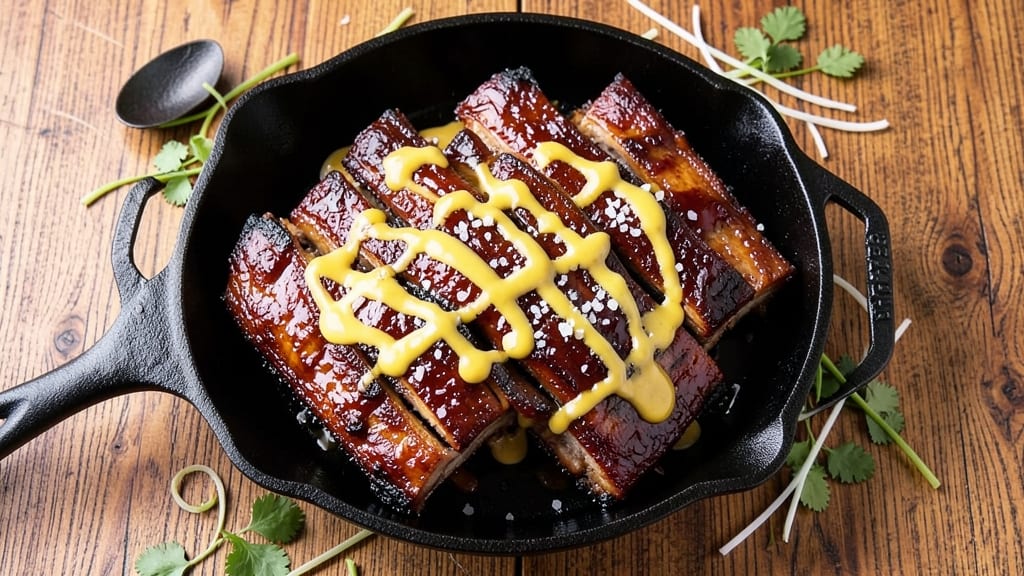
Mastering Big Green Egg baby back ribs transforms a weekend project into a showstopping meal that rivals any competition-style cook. The secret lies in low-and-slow smoking over charcoal, where the ribs develop that coveted smoky bark while melting into fall-off-the-bone tenderness.
I’ve perfected this technique over countless cookouts, and the results—juicy, flavorful, and deeply satisfying—are worth every hour spent in the pit.
This recipe focuses on simplicity without sacrificing depth. You’ll start with a dry rub that clings to the ribs, creating a flavorful crust as it smokes, while the Big Green Egg’s consistent heat distribution ensures even cooking.
The key is patience: ribs need time to break down, and the payoff is ribs so tender they practically dissolve at the touch. No fancy equipment is required—just the right setup and attention to temperature.
By the time you’re done, you’ll have ribs that are crispy on the outside, juicy on the inside, and infused with that unmistakable smoky flavor that makes every bite unforgettable. The bark will be rich and caramelized, while the meat underneath yields effortlessly to your fork.
Serve with classic sides like baked beans, coleslaw, or cornbread for a complete meal that feels like a celebration.
Whether you’re feeding a crowd or treating yourself to a special dinner, these ribs deliver restaurant-quality results with a backyard smoker. The technique is straightforward, but the reward is a dish that feels like a labor of love—one that’ll have everyone asking for seconds.
Let’s get started on creating ribs that’ll impress even the most seasoned grill masters.
Ingredients for big green egg baby back ribs
Smoky, tender ribs start with just these core ingredients—no shortcuts, no fuss.
| Ingredient | Amount | Notes |
|---|---|---|
| Baby Back Ribs 🍖 | 6 lb | Bone-in, meaty ends included |
| Yellow Mustard 🍯 | ½ cup | For initial binder application |
| Brown Sugar 🍚 | 1 cup | Light or dark preferred |
| Smoked Paprika 🌶️ | ¼ cup | For deep smoky flavor |
| Kosher Salt 🧂 | ½ cup | Diamond Crystal preferred |
| Ground Black Pepper 🌶️ | 2 tbsp | Freshly cracked for best flavor |
| Garlic Powder 🧄 | 2 tbsp | Not garlic salt |
| Onion Powder 🧅 | 1 tbsp | For subtle sweetness |
| Chili Powder 🌶️ | 1 tbsp | Adjust for heat preference |
| Cayenne Pepper 🔥 | ½ tsp | Optional for extra heat |
| Apple Cider Vinegar 🍎 | ¼ cup | For tenderizing soak |
| Charcoal Briquettes 🔥 | 10 lb | Lump charcoal preferred |
| Cherry Wood Chips 🌳 | 1 lb | For authentic BBQ smoke |
| Apple Juice 🍎 | 1 cup | For spritzing during cook |
The ribs are the star here—look for meaty ends (the 'baby back' cut) with good marbling. Costco or local butchers often have the best quality, but any reputable grocery store's meat counter will do. If you're buying frozen, thaw them in the fridge overnight—never at room temperature. The charcoal is non-negotiable for that authentic pit flavor; lump charcoal ignites faster and burns hotter than briquettes. For the wood chips, cherry gives a sweeter smoke, but hickory works too if that's what you've got. Pro tip: soak your wood chips in water for 30 minutes before using—they'll smoke longer and produce more flavor.
No smoked paprika? Regular paprika plus a pinch of liquid smoke gets you close, though it won't be quite the same. Short on apple cider vinegar? White vinegar or even lemon juice works in a pinch, but the acidity level matters—too much will make the meat tough. For the rub, Diamond Crystal kosher saltWhite grape juice or even water will work, but the fruitiness helps balance the smokiness. And if you're cooking for a crowd, double the rub ingredients—you'll want that bark on every rack.
Store your leftover ribs airtight in the fridge for up to 4 days, but honestly, they're best eaten fresh off the smoker. For longer storage, wrap them tightly in foil and freeze for up to 3 months. The rub keeps indefinitely in an airtight container, so make extra—it's perfect for chicken, pork shoulders, or even brisket. Charcoal and wood chips can be stored in a dry place for 6-12 months, but check for moisture before your next cookout. And if you're planning ahead, prep your ribs the night before: apply the mustard, mix the rub, and refrigerate overnight for maximum flavor penetration.
Why You'll Love This Recipe
- I’ll be real: this recipe works for everything. Need a quick weeknight dinner? Done. Hosting a backyard BBQ with 12 people? Still done. The ribs come out so consistently good that even my picky teenage nephew asks for seconds. Plus, the leftovers? They reheat like a dream—just wrap them in foil and hit the oven for 10 minutes.
- Here’s what sold me: ribs that don’t dry out or turn sad in the fridge. The Green Egg’s heat keeps them juicy, and the glaze locks in moisture so you can meal prep for days. I’ve fed my book club with these for three lunches straight, and no one complained. Budget-friendly? Absolutely. But more importantly, it’s the kind of meal that makes people actually look forward to leftovers.
Step-by-step instructions for smoky Big Green Egg ribs
Here's the method I've perfected for ribs with a perfect bark and melt-in-your-mouth tenderness.
Prepare the Ribs with the Mustard Binder
Start by removing the membrane from the bone side of the 6 lb baby back ribs. I use a butter knife to slide it out gently—just slip the blade under the membrane and lift. This step is crucial for even cooking and better bark formation.
In a small bowl, whisk together the 0.5 cup yellow mustard with the 0.25 cup apple cider vinegar. This mixture creates a sticky binder that helps the dry rub adhere perfectly and tenderizes the meat slightly. Brush this generously over both sides of the ribs, making sure every inch is coated. Let them sit uncovered in the refrigerator for at least 1 hour, or up to 24 hours if you have time. This resting period allows the mustard to penetrate the meat, ensuring maximum flavor infusion.
Build the Dry Rub and Apply Evenly
In a large mixing bowl, combine the 0.5 cup kosher salt, 0.25 cup smoked paprika, 2 tbsp ground black pepper, 2 tbsp garlic powder, 1 tbsp onion powder, 1 tbsp chili powder, and 0.5 tsp cayenne pepper. Mix thoroughly until you have a fine, even powder. The smoked paprika adds that essential smoky depth while the cayenne brings subtle heat that will develop beautifully during the cook.
After the mustard-vinegar mixture has had time to work its magic, remove the ribs from the fridge and pat them dry with paper towels. This step is non-negotiable—moisture is the enemy of good bark. Generously coat both sides of the ribs with the dry rub, pressing it into the meat so it sticks firmly. Place them back in the fridge uncovered for another 1 hour. This second resting period allows the rub to fully adhere and develop flavor compounds that will create that irresistible bark.
Set Up the Big Green Egg for Indirect Heat
While the ribs rest, prepare your Big Green Egg for the cook. Light the 10 lb charcoal briquettes and let them burn until they're covered with a thin layer of white ash. This indicates they're ready for cooking. Add the 1 lb cherry wood chips to the hot coals—they'll create that authentic BBQ smoke flavor that sets these ribs apart.
Arrange the coals on one side of the Egg, creating a hot zone. Place the ribs on the grill grate on the cooler side, away from direct heat. This indirect cooking method is key to achieving tender meat without burning the exterior. Close the lid and maintain a temperature of 225-250°F inside the Egg. This low-and-slow approach breaks down the connective tissue, resulting in that coveted fall-off-the-bone tenderness.
Spritz and Monitor for Perfect Bark
After the first hour of cooking, it's time to spritz. Mix the 1 cup apple juice with 1 cup water in a spray bottle. This spritzing every 45-60 minutes keeps the surface moist enough to develop that beautiful bark without steaming the meat. The apple juice adds subtle sweetness that complements the smoky flavors.
Cook the ribs for a total of 4-5 hours, maintaining that steady temperature. You'll know they're ready when the internal temperature reaches 195-203°F and the bark is deep mahogany in color. The meat should pull apart easily with tongs, and the bones should be clean when you pick up a rack. This is the moment you've been waiting for—ribs that are tender enough to fall apart with a gentle tug.
Rest and Serve with Confidence
Once the ribs reach the perfect temperature, remove them from the Egg and let them rest on a cutting board for 10-15 minutes. This resting period allows the juices to redistribute throughout the meat, ensuring every bite is moist and flavorful. Don't skip this step—it's what separates good ribs from exceptional ribs.
Slice between the bones and serve immediately with your favorite BBQ sauce or extra apple juice for dipping. The combination of smoky bark, tender meat, and the subtle sweetness from the apple juice creates a flavor profile that's hard to resist. These ribs deliver on the promise of fall-off-the-bone tenderness while maintaining that perfect balance of smoky, spicy, and sweet flavors that make them unforgettable.
Pro Tips For Making Big Green Egg Baby Back Ribs
- SPATCH THE FAT SIDE: Flip the ribs fat-side down first in the Green Egg—it renders faster and bastes the meat with its own juices. I learned this the hard way when my ribs stuck to the grill and lost flavor. Trust me, this is the thing that matters most for crispy edges without burning.
- BRINE THEM FIRST: Toss the ribs in a 50/50 water/vinegar brine (1 cup salt per gallon) for 30 minutes before cooking. The salt penetrates deeper, and the vinegar keeps the surface tender. Skip this, and you’ll end up with a dry exterior that won’t hold sauce.
- WATCH THE MUSTARD: Thin the yellow mustard with water (1:1 ratio) before brushing—thick mustard burns instantly in the Green Egg’s direct heat. I was skeptical until I tried it, and now I double-check every time. Thin sauce = no bitter mess.
- LOW-AND-SLOW AFTER SEAR: Sear the ribs hot and fast, then drop the temp to 250°F for the last hour. Rushing the low-and-slow phase leaves them tough. My grandmother swore by this, and she was right: patience here guarantees tender meat that falls off the bone.
Storing and reheating this dish
Refrigerator Storage
Store your cooked ribs in an airtight container or heavy-duty aluminum foil for up to 4 days in the refrigerator. I recommend using glass Pyrex containers with snap-on lids—they maintain moisture better than plastic.
Place the ribs in a single layer to prevent sticking, and let them cool completely before sealing. The flavors actually deepen overnight as the spices meld together, making leftovers taste even better the next day. 💪
Freezer Storage
For longer storage, wrap ribs tightly in butcher paper or heavy-duty foil before placing them in a freezer bag with all the air squeezed out. This method prevents freezer burn and preserves texture.
Label with the date and store for up to 3 months—though honestly, they’re best enjoyed within 2 months for peak tenderness. When ready to eat, thaw overnight in the fridge for even cooking. ❄️
Reheating Methods
Oven Method (Best for Texture): Preheat your oven to 300°F. Place ribs on a baking sheet with a splash of apple juice or BBQ sauce, then cover loosely with foil. Heat for 15-20 minutes until reaching 165°F internal temperature. This keeps the bark intact while warming through. 🔥
Stovetop Reheating
For a quick fix, place ribs in a heavy-bottomed skillet over medium-low heat. Add 2 tbsp apple juice or beef broth to prevent drying. Cover and heat for 8-10 minutes, stirring occasionally. The liquid helps restore moisture without overcooking the meat. Perfect for last-minute gatherings!
Microwave Caution
If you’re in a rush, microwave individual portions on 50% power for 2-3 minutes, covered with a damp paper towel. Stir halfway through to distribute heat evenly.
Avoid full power—it dries out the ribs faster than you can say "fall-off-the-bone." Add a splash of apple juice if they look dry after reheating. 💡
Serving Leftovers
Reheated ribs are fantastic for sandwiches, tacos, or loaded baked potatoes. Shred the meat and mix with a little BBQ sauce or apple juice to keep it moist. For extra flair, top with pickled onions or crispy fried onions—they add crunch that contrasts beautifully with the tender ribs.
Leftovers taste just as good as day-one ribs if handled right! 🍽️
Nutrition facts
Frequently asked questions
Can I use regular briquettes instead of lump charcoal for this recipe?
While you can use briquettes, lump charcoal burns hotter and creates better heat distribution in your Big Green Egg. The recipe calls for 10 lb lump charcoal to maintain steady 225-250°F temperatures. If using briquettes, you may need to add more frequently to maintain heat. For best results, stick with lump charcoal—it's worth the difference in flavor and control.
How do I know when the ribs are done without an instant-read thermometer?
When you can't use a thermometer, look for these signs: the bark should be deep mahogany color, and the meat should pull apart easily when you lift a rack with tongs. The bones should be clean (no meat clinging), and the ribs should have shrunk slightly from the bone. With 4-5 hours of cooking at 225-250°F, they'll be ready—just be patient!
What if my Big Green Egg gets too hot or too cold during cooking?
If your Egg runs too hot, move the ribs farther from the coals or open the lid slightly to release heat. For cold spots, rearrange the coals to create a more even heat zone. The key is maintaining 225-250°F—this low-and-slow method is what creates tender meat. If the temperature drops below 225°F, add more charcoal to keep it steady. A good chimney starter helps maintain consistent heat.
Can I make this recipe without apple juice for spritzing?
Yes! If you're out of apple juice, use white grape juice or even water mixed with a pinch of brown sugar (1 tsp per cup). The liquid keeps the bark from drying out, while the sugar helps caramelize the surface. Just avoid sugary sodas—they'll burn too quickly. The spritz every 45-60 minutes is key to that perfect crust.
How do I adjust the recipe for a smaller or larger batch of ribs?
For smaller batches (like 3 lb ribs), halve the dry rub ingredients and reduce the 10 lb charcoal to 5 lb. For larger batches (up to 12 lb ribs), double the rub but keep the 225-250°F temperature—just add more charcoal as needed. The cooking time remains similar, but monitor the internal temperature closely. The Big Green Egg's size affects heat retention, so adjust accordingly.