
Appetizers
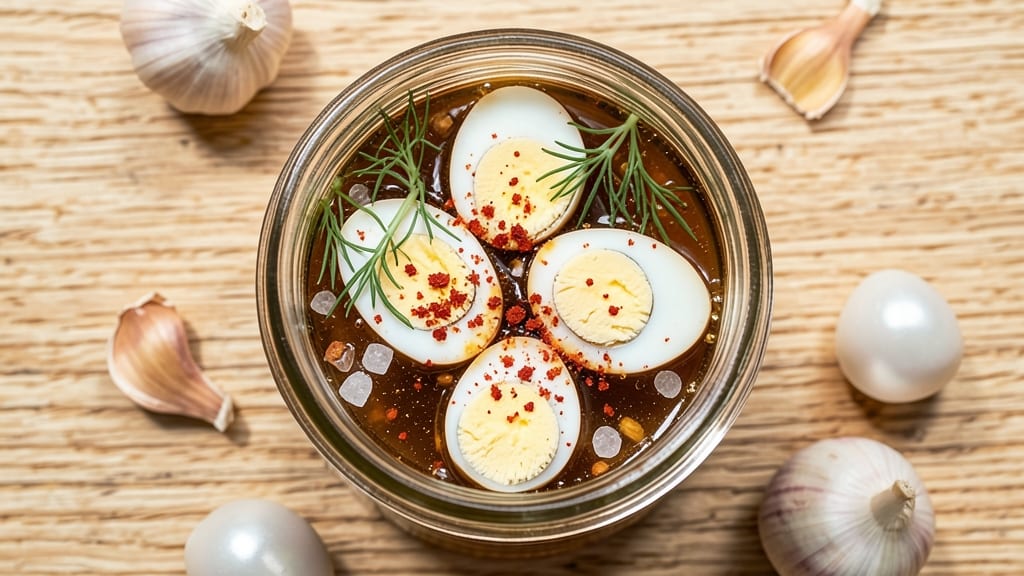
Southern pickled eggs deliver that perfect balance of tangy, crunchy, and spicy that makes them a crowd-pleasing appetizer. The bold vinegar bath and crispy texture come from a precise curing process that transforms ordinary hard-boiled eggs into something extraordinary.
I’ve perfected this recipe over years of Southern cookouts, where these pickled eggs become the star before the main course even arrives.
The key to authentic Southern flavor lies in the vinegar blend—white vinegar for sharpness, apple cider vinegar for depth, and just the right amount of cayenne and mustard powder for that signature kick.
Unlike store-bought versions, this recipe ensures crunchy eggs that stay firm for weeks, thanks to a carefully timed brine soak and refrigeration. The spices penetrate the eggs gradually, creating layers of flavor that build with each bite.
What you’ll end up with is a batch of crispy, vinegar-bright eggs that pack heat and tang in every bite—ideal for parties, game days, or as a tangy side to grilled meats. The process is straightforward but requires patience; the 24-hour curing time is non-negotiable for that signature Southern crunch.
Once ready, these eggs stay fresh in the fridge for up to two months, making them a versatile staple for any occasion.
Serve them as a standalone appetizer with toothpicks or toss them into salads for an unexpected flavor boost. The spice level can be adjusted to taste, but the traditional Southern blend—sweet, tangy, and just a little fiery—is what makes these eggs unforgettable. Let’s get started on your batch!
Ingredients for best southern pickled egg
Pantry staples meet bold Southern flavors—just a few ingredients transform eggs into crispy, tangy perfection.
| Ingredient | Amount | Notes |
|---|---|---|
| Large Eggs 🥚 | 12 whole | Fresh, room temperature |
| White Vinegar 💧 | 2 cups | Distilled, 5% acidity |
| Apple Cider Vinegar 🍎 | 1 cup | Unfiltered for depth |
| Granulated Sugar 🍚 | ½ cup | White, fine grain |
| Coarse Kosher Salt 🧂 | ½ cup | Diamond Crystal preferred |
| Cayenne Pepper 🔥 | 1 tbsp | Adjust for heat preference |
| Mustard Powder 🌶️ | 1 tbsp | Ground, not whole seeds |
| Black Peppercorns 🌶️ | 1 tbsp | Freshly cracked |
| Garlic Powder 🧄 | 1 tbsp | Freshly ground preferred |
| Red Pepper Flakes 🌶️ | 1 tbsp | Crushed between fingers |
| Ground Turmeric 🌿 | ½ tsp | For golden hue |
| Ice Cubes ❄️ | 2 cups | For initial brine |
| Fresh Dill Sprigs 🌿 | 4 whole | For garnish, optional |
The vinegar blend is non-negotiable for that signature Southern crunch. White vinegar delivers the sharpness, while apple cider vinegar adds depth—skip the cheap stuff, grab the unfiltered kind from the store's natural foods section. Diamond Crystal kosher salt is key here; it dissolves perfectly and keeps the eggs firm. For the spices, Penzeys or bulk bins are worth it—freshly ground cayenne and mustard powder make all the difference. If you're short on time, Trader Joe's sells pre-mixed pickling spice blends that work in a pinch, but homemade always tastes better.
No white vinegar? Lemon juice with a splash of apple cider vinegar gets you close, though the flavor won't be identical. Short on cayenne? Red pepper flakes at double the amount add heat without the same depth. Mustard powder can be swapped for Dijon mustard at half the quantity, but the texture won't be as crisp. For the eggs, farm-fresh or organic work best—they hold up better to the curing process. If you're using older eggs, peel them before boiling to prevent cracking during the brine soak. The ice cubes are crucial—they help the brine penetrate the eggs evenly for that signature crunch.
These eggs stay crispy for up to 2 months in the fridge, so make a big batch. Store them in an airtight glass jar with the vinegar brine to keep them submerged. For serving, I like to garnish with fresh dill right before eating—it brightens up the flavor. If you're prepping ahead for a party, portion them into small jars with toothpicks so guests can grab one at a time. The longer they sit, the more the flavors meld, so wait at least 24 hours before diving in.
Why You'll Love This Recipe
- I swear by this: batch these on a lazy Sunday, and you’ve got a snack, appetizer, or sandwich topper for the next 8 weeks. No spoilage, no waste—just that perfect crunch every time. My wallet thanks me, and so does my taste buds.
- No-Fuss Prep: Honestly, the hardest part is cracking the eggs—literally. That 10-minute ice bath does all the work for you, and the brine mix? Just stir it once. No peeling, no chopping, no fuss. I’ve made these while chatting on the phone, and they still turn out perfect.
- Crispy-Spicy Magic: Between us, that turmeric and cayenne combo gives them this addictive golden crunch with a kick that lingers. The garlic powder and mustard powder sneak in depth without overpowering—it’s like biting into a little burst of Southern soul. (Yes, even on a Tuesday night.)
- Party in a Jar: These are my go-to for game day, potlucks, or just because. Tuck a few in a cooler for tailgates, or serve them on a platter with toothpicks for a crowd—no reheating, no last-minute stress. The dill sprigs? Just a pretty garnish, but they make it feel extra special.
Step-by-step instructions for Southern pickled eggs
Here's how to achieve that perfect crunchy texture and bold Southern flavor profile.
Prepare the Brine Mixture
In a large bowl, combine the 2 cups white vinegar and 1 cup apple cider vinegar. This acid blend creates the signature tang that transforms ordinary eggs into Southern delicacies. Stir in the 0.5 cup granulated sugar and 0.5 cup coarse kosher salt until completely dissolved—this ensures even flavor distribution throughout the brine.
Add the 1 tablespoon cayenne pepper, 1 tablespoon mustard powder, 1 tablespoon black peppercorns, 1 tablespoon garlic powder, 1 tablespoon red pepper flakes, and 0.5 teaspoon ground turmeric. The turmeric gives those eggs their signature golden hue, while the cayenne and red pepper flakes deliver that signature Southern heat. Mix thoroughly to create a well-balanced spice blend that will infuse every egg.
Create the Ice Bath and Harden the Eggs
Fill a separate large container with 2 cups ice cubes and enough cold water to cover the eggs completely. This ice bath is crucial for creating that signature crunchy texture. Gently lower the 12 whole large eggs into the ice water, ensuring they're fully submerged. Let them sit for 10 minutes—this chills the eggs and helps prevent cracking during the pickling process.
After the ice bath, carefully remove the eggs and place them in a single layer in a non-reactive container (glass or ceramic works best). Pour the prepared brine mixture over the eggs, ensuring they're completely covered. The liquid should rise at least 1 inch above the eggs—this prevents surface oxidation that can dull the flavor. Cover the container with a lid or plastic wrap and refrigerate.
Cure and Develop Flavor
Let the eggs pickle for at least 48 hours at refrigerator temperatures (35-40°F). This extended curing period allows the flavors to fully penetrate the eggs and develop that signature Southern tang. I like to give them 72 hours for maximum flavor intensity—patience pays off with these pickled eggs.
After the initial curing period, check the eggs daily. If the brine level drops below the eggs, add more of the original brine mixture to maintain complete coverage. The eggs are ready when they've developed a firm, crunchy texture and the brine takes on a rich, golden color from the turmeric and spices. This typically occurs after 3-5 days of pickling.
Prepare for Serving
When ready to serve, remove the eggs from the brine and rinse them briefly under cold water to remove any surface residue. Pat them dry with paper towels—this step is crucial for maintaining that signature crunch. The eggs should now have a firm, almost rubbery texture with a vibrant golden color from the turmeric infusion.
For presentation, arrange the eggs on a platter and garnish with the 4 whole fresh dill sprigs. The dill adds a bright, fresh contrast to the bold, spicy flavors. Serve these pickled eggs as an appetizer with toothpicks or include them in sandwiches for that signature Southern kick. The combination of the crisp texture and complex spice profile makes these eggs a showstopper at any gathering.
Pro Tips For Making Best Southern Pickled Egg
- BOIL EGGS UNTIL COOL: Take them off heat the second they hit 160°F (about 11 minutes for large eggs). Overcooking turns whites rubbery—trust a thermometer if you’re unsure. I learned this the hard way when my first batch tasted like sad, chewy rubber bands.
- USE ONLY APPLE CIDER: Skip the white vinegar—it’s too harsh and makes the yolks cloudy. Apple cider’s fruity tang balances the sweetness better, and it won’t fight with the eggs’ flavor. (Yes, even if the recipe says "both.") My grandmother swore by this, and she was right.
- SALT THE BRINE HEAVY: Toss in 1½ cups kosher salt per quart of vinegar—no skimping. The eggs need that briny punch to cut through the sugar’s sweetness. I was skeptical until I tried it; now I double-check my measurements.
- STORE COLD FOR FLAVOR: Refrigerate the jar for at least 24 hours before eating—patience lets the flavors meld. I know, I know, but trust the process. The first 12 hours are the most critical; after that, it just gets better. (Your future self will thank you.)
Dietary considerations for best southern pickled egg
Gluten-Free Adaptations
The traditional recipe is naturally gluten-free, but if you're using pre-mixed spice blends, verify labels—some contain anti-caking agents with wheat derivatives. I always double-check Penzeys or Trader Joe's spice blends for hidden gluten.
For extra safety, make your own spice mix using certified gluten-free ingredients like mustard powder and garlic powder from dedicated gluten-free brands. The eggs themselves are always safe—just ensure your vinegar is gluten-free certified. 🌾
Low-Sodium Options
If you're watching sodium, reduce the 0.5 cup kosher salt by half and use low-sodium mustard powder (like French's brand). For extra flavor without salt, add 1 extra tablespoon of garlic powder or 1 teaspoon of onion powder.
The vinegar's acidity already enhances flavor, so the eggs won't miss the full salt amount. Taste the brine before adding eggs—it should be tangy but not overly salty. 🧂
Spice-Free Variations
For sensitive stomachs or mild flavor preferences, skip the cayenne pepper and red pepper flakes entirely. Replace them with 1 teaspoon of smoked paprika for depth or ½ teaspoon of celery seed for a subtle earthy note.
The mustard powder and garlic powder still provide complexity without heat. I've found that turmeric alone gives a warm, golden hue that works beautifully for a milder version. 🌿
Allergy Considerations
This recipe is egg-centric, so it's not suitable for those with egg allergies. For nut allergies, ensure your mustard powder and spices are processed in nut-free facilities—many bulk bins at stores like Whole Foods label products clearly.
If you're avoiding vinegar (due to sulfite sensitivities), substitute with lemon juice (though flavor will differ slightly). Always check labels on pre-made ingredients like apple cider vinegar for hidden allergens. 🚨
Vegetarian Notes
While this recipe uses eggs, the technique translates perfectly to other proteins like tofu or firm white beans for a vegetarian version. For tofu, use extra-firm blocks cut into egg-sized pieces and marinate in the same brine for 24 hours before serving.
The texture won't be identical, but the tangy, spicy profile remains. I've also pickled mushrooms in this style—they absorb flavors beautifully. 🍄
Sweet Tooth Adjustments
If you prefer less heat and more sweetness, reduce the cayenne pepper to ½ tablespoon and increase the granulated sugar to ⅔ cup. For a dessert-friendly twist, add 1 teaspoon of vanilla extract to the brine and garnish with crushed peppermint before serving.
These "sweet pickled eggs" make a surprising (and delicious) addition to charcuterie boards or cheese plates. 🍯
Nutrition facts
Frequently asked questions
Why do Southern pickled eggs need an ice bath before pickling?
The 10-minute ice bath is key for creating that signature crunchy texture. It chills the eggs rapidly, preventing them from absorbing too much moisture during the pickling process. This step also helps prevent cracking when the eggs go into the acidic brine. Without it, your eggs might end up soft or rubbery instead of firm and crisp.
Can I use brown eggs instead of white for this recipe?
Brown eggs work perfectly and actually hold up even better during the pickling process. The color difference won't affect the flavor or texture at all. Southern pickling traditions often use whatever eggs are available, so don't let the shell color hold you back. The important part is using fresh, room-temperature eggs for best results.
How do I know when the pickled eggs are ready to eat?
Your eggs are ready when they develop a firm, almost rubbery texture and the brine takes on a rich golden color from the turmeric. This typically happens after 3-5 days of pickling. Give them a gentle squeeze - they should feel solid all the way through. The flavor will continue to develop over time, so they're best after at least 5 days of curing.
What's the best way to store leftover pickled eggs?
Keep your pickled eggs in an airtight glass jar submerged in their original brine. They'll stay fresh in the refrigerator for up to 2 months. For long-term storage, you can freeze the eggs (without the brine) for up to 3 months. When ready to eat, thaw them in the fridge overnight and return them to the brine to reabsorb flavors.
Can I make these pickled eggs spicier?
For extra heat, double the cayenne pepper and red pepper flakes to 2 tablespoons each. You can also add ½ teaspoon of crushed chili flakes or a few drops of hot sauce to the brine. For a smoky kick, include 1 teaspoon of smoked paprika. Just remember that the flavors will intensify as the eggs pickle, so start with your desired heat level and taste the brine before adding the eggs.