
Breakfast & Brunch
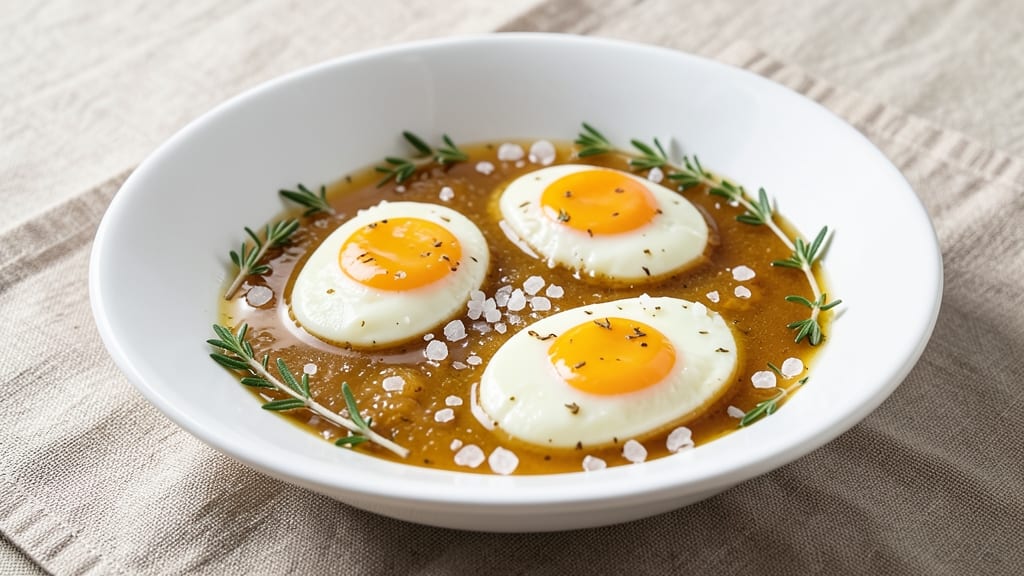
Mastering basted eggs transforms breakfast from ordinary to extraordinary—this 10-minute technique delivers buttery poached perfection with a golden, velvety finish. The secret lies in constant basting with hot butter or broth, creating a silky exterior while keeping the yolk perfectly runny.
I perfected this method after years of struggling with rubbery poached eggs, and the difference is night and day.
What sets this recipe apart is the precision: a gentle simmer, high-quality ingredients, and the right basting liquid—whether you prefer rich butter, aromatic broth, or a mix of both. The eggs cook evenly, developing a delicate crust without overcooking, while the basting liquid infuses subtle flavor into every bite.
It’s the kind of breakfast that makes you feel like you’re dining at a high-end brunch spot.
By the time you plate these eggs, you’ll have a restaurant-quality dish that’s crisp at the edges yet tender inside, with a yolk so rich it practically melts onto your toast.
The technique is simple but requires attention to detail—no flipping, no guesswork, just foolproof results every time. This is breakfast elevated to an art form.
Pair with crusty bread, fresh herbs, or a sprinkle of flaky salt for the full experience. The possibilities are endless, but the method remains the same—perfect basted eggs in just 10 minutes. Let’s get started.
Ingredients for basted eggs
High-quality ingredients and precise technique create restaurant-worthy basted eggs every time.
| Ingredient | Amount | Notes |
|---|---|---|
| Large Eggs 🥚 | 4 whole | Fresh, room temperature preferred |
| Unsalted Butter 🧈 | ½ cup | European-style for higher melt point |
| Chicken Broth 🍲 | 1 cup | Low-sodium, homemade preferred |
| White Vinegar 🍶 | 1 tbsp | For gentle coagulation |
| Flaky Sea Salt 🧂 | ½ tsp | Maldon or Jacobsen preferred |
| Fresh Thyme Leaves 🌿 | ¼ tsp | Or 1/8 tsp dried thyme |
| Garlic Cloves 🧄 | 1 whole | Thinly sliced for broth infusion |
| Lemon Zest 🍋 | ½ tsp | For subtle brightness |
| Crusty Bread 🍞 | 4 slices | Baguette or sourdough preferred |
| Extra-Virgin Olive Oil 🫒 | 1 tbsp | For drizzling |
| Fresh Parsley 🌿 | ¼ cup | Chopped for garnish |
The butter makes all the difference here—European-style has a higher smoke point and richer flavor than American butter. Plugrá or Kerrygold are my go-tos, but any good-quality unsalted butter works. For the broth, homemade is ideal, but Pacific Foods or Kitchen Basics low-sodium options work in a pinch. Fresh thyme and garlic in the broth add depth without overpowering. I always double-check the vinegar—white vinegar is gentler than apple cider, which can make the whites cloudy. The eggs? Fresh from the fridge is fine, but letting them sit at room temperature for 10 minutes before cooking ensures even cooking.
No butter? Ghee or duck fat works beautifully for basting—just use the same amount. Short on thyme? Fresh tarragon or a pinch of dried thyme adds a similar herbal note. The crusty bread can be any good-quality loaf—French baguette or sourdough are classics, but even a hearty whole-grain bread adds texture. For the lemon zest, organic lemons have more vibrant flavor, but conventional works too. If you're making these ahead, keep the eggs in the fridge until you're ready to cook—they'll still be perfect. The parsley is just for garnish, so don't stress if you're out—fresh chives or dill work just as well.
These eggs reheat beautifully—just drop them into simmering broth for 30 seconds to warm through. Store any leftover broth in the fridge for up to 5 days—it's perfect for soups or risottos. The basted eggs themselves? Best served immediately, but you can reheat them gently in warm broth if needed. I always make extra broth; it's too good to waste. For plating, a drizzle of extra-virgin olive oil and a sprinkle of flaky sea salt takes it to the next level. The key is keeping everything hot—preheat your serving plates in the oven for 5 minutes before plating.
Why You'll Love This Recipe
- Five-Ingredient Magic: I swear, this recipe is one of those "how did I not know this existed sooner?" moments. You’re basically making eggs with butter, broth, and salt—no fancy gadgets, no chopping, just crack, simmer, and savor.
- Butter-Basted Bliss: That golden crust from the butter and vinegar? It’s the kind of flavor that makes you pause mid-bite. The broth keeps the yolks rich while the salt finishes it like a perfect seasoning—simple, but ridiculously good.
- Weeknight to Brunch: Honestly, I make these for lazy Sundays or when I’m scrambling (pun intended) to feed a crowd. They’re just as welcome on a breakfast tray as they are in a lunchbox—no one ever turns them down.
- Leftovers That Don’t Suck: Between us, most egg leftovers are sad. Not these. The broth keeps them moist, and the butter? It just gets better the next day. I’ll often pack them for work—still warm, still delicious, zero guesswork.
Step-by-step instructions for buttery poached perfection
Here's how to achieve restaurant-quality basted eggs with silky yolks and rich, velvety whites.
Infuse the Broth with Flavor
In a medium saucepan, combine the 1 cup chicken broth, 1 whole garlic cloves (thinly sliced), 0.25 tsp fresh thyme leaves, and 0.5 tsp lemon zest. Bring to a gentle simmer over medium heat for 5 minutes, allowing the aromatics to steep and infuse the liquid with their essence. The broth should smell fragrant and slightly garlicky—this is your flavor foundation.
Strain out the garlic and thyme, pressing gently on the thyme leaves to extract every last bit of flavor. Return the infused broth to the pan and stir in the 1 tbsp white vinegar. This acidity helps coagulate the egg whites more gently, preventing them from turning rubbery. Keep the broth at a barely simmering state—you want small, delicate bubbles breaking the surface, not a rolling boil that would break your eggs.
Prepare the Butter Bath
In a separate small saucepan, melt the 0.5 cup unsalted butter over low heat until fully liquid but not browned. The butter should be smooth and glossy, with no visible water content. This butter will create a luxurious, velvety coating around each egg as they cook. Transfer the melted butter to a small bowl and set aside—it'll be ready when your eggs are nearly done.
Here's the thing—this butter bath is what transforms ordinary poached eggs into something extraordinary. The high fat content creates a protective layer that keeps the whites tender while allowing the yolks to remain runny. Don't skip this step if you want that restaurant-quality finish.
Poach the Eggs to Perfection
Crack each of the 4 whole large eggs into a small bowl or ramekin. The eggs should be at room temperature for even cooking. Gently stir the water in the bowl to create a gentle whirlpool motion—this helps the whites wrap around the yolks neatly as they cook. I like to use a fork to stir in a circular motion before lowering the egg into the broth.
Using a slotted spoon, carefully lower one egg at a time into the simmering broth. The water should be at 180°F—just below a full simmer. Poach the eggs for 3 to 4 minutes until the whites are fully set but the yolks remain liquid and vibrant. You'll know they're ready when you can easily slide a knife between the white and yolk—it should glide through like butter.
Finish with Butter and Garnish
Using the slotted spoon, transfer each poached egg to the bowl of melted butter. Let them sit for 30 seconds, gently stirring to coat them completely in the buttery mixture. This step is crucial—it creates that signature silky texture that separates these from ordinary poached eggs. The butter should be warm enough to gently melt around the eggs but not so hot that it cooks them further.
Return the buttered eggs to the broth and let them warm through for 1 minute. Season each egg with a pinch of flaky sea salt and garnish with a sprinkle of chopped fresh parsley. The parsley adds a fresh contrast to the rich butter and eggs, brightening the whole dish.
Serve Immediately with Crusty Bread
Transfer the basted eggs to a warm plate, spooning some of the flavorful broth over them. Serve immediately with the 4 slices crusty bread on the side, ready to soak up every last bit of that buttery goodness. Drizzle each plate with 1 tbsp extra-virgin olive oil to enhance the richness and add another layer of flavor.
The key to serving these eggs is timing—they're best enjoyed immediately while the yolks are still perfectly runny. Each bite should deliver a harmonious balance of silky egg, rich butter, and bright herbs. The crusty bread is essential for soaking up the remaining broth and creating a complete, satisfying meal.
Pro Tips For Making Basted Eggs
- Whirlpool the Whites: Stir the broth in a circular motion before dropping in each egg—this creates a gentle whirlpool that wraps the whites neatly around the yolk. I used to skip this, and my eggs always looked like chaotic clouds. A fork works great for stirring, but a chopstick gives even more control if you’re feeling fancy.
- Butter at 180°F: Keep that broth at just below a simmer—180°F is the magic number for silky whites without overcooked yolks. Too hot, and your eggs turn into sad, rubbery blobs. Too cool, and they’ll never set. Trust the tiny bubbles breaking the surface; they’re your friends.
- Press the Thyme: After straining the garlic and thyme from the broth, give those thyme leaves a gentle squeeze with your fingers or a spoon. You’ll extract way more flavor, and your broth will taste like it’s been simmering for hours instead of 5 minutes. Don’t be shy—squeeze like you’re wringing out a dishrag.
- Salt the Butter Bowl: Toss a pinch of that flaky sea salt into the melted butter before coating the eggs. It dissolves into the fat, so every bite gets that bright, mineral-rich finish. I learned this after eating a buttery egg that tasted bland—now I never skip it. Just a tiny pinch, but it makes a real difference.
Best sauces and condiments for this basted eggs
Butter Infusion Magic
The real secret weapon here is European-style unsalted butter—it has a higher smoke point and richer flavor than regular butter. Melt ½ cup of it gently over low heat until completely smooth, then let it cool slightly before using.
This butter bath creates a luxurious, velvety coating that transforms ordinary poached eggs into something extraordinary. For extra depth, infuse the melted butter with a pinch of flaky sea salt and lemon zest while it cools—this adds subtle brightness that complements the eggs perfectly. 🧈
Herb-Infused Broth
Your basting liquid should be flavorful but not overpowering. Simmer 1 cup low-sodium chicken broth with 1 sliced garlic clove, ¼ tsp fresh thyme, and ½ tsp lemon zest for 5 minutes to infuse the aromatics.
Strain out the solids and stir in 1 tbsp white vinegar—this helps coagulate the egg whites gently. The broth should be at a barely simmering state (around 180°F) to prevent breaking the eggs. I love using Pacific Foods or Kitchen Basics low-sodium broths for consistent flavor. 🍲
Spicy Butter Twist
For a bold flavor profile, try spicy butter basting. Melt ½ cup unsalted butter and stir in ½ tsp smoked paprika and ¼ tsp cayenne pepper while warm. Let it cool slightly, then use it to baste the eggs in the final 30 seconds of cooking.
This adds a subtle smokiness and heat that pairs beautifully with the rich eggs. Garnish with chopped fresh cilantro or microgreens for a fresh contrast. 🌶️
Garlic-White Wine Reduction
Elevate your basting liquid with a garlic-white wine reduction. Sauté 2 minced garlic cloves in 1 tbsp olive oil until fragrant, then deglaze with ½ cup dry white wine (like Sauvignon Blanc or Pinot Grigio). Reduce by half, then whisk in ¼ cup unsalted butter until smooth.
Use this luxurious sauce to baste the eggs in the final minute of cooking. The wine adds brightness, while the butter keeps the eggs silky. 🍷
Dijon Mustard Finish
Add a tangy kick by finishing your basted eggs with a Dijon mustard glaze. Mix 1 tbsp Dijon mustard with 2 tbsp warm melted butter and a pinch of salt.
Drizzle this over the eggs just before serving, or use it to baste them in the final 30 seconds of cooking. The mustard cuts through the richness, adding a sophisticated depth of flavor. Pair with crusty sourdough and watercress for a restaurant-worthy brunch. 🌟
Smoked Paprika Oil
For a smoky, aromatic twist, infuse olive oil with smoked paprika and garlic. Heat ¼ cup olive oil with 1 tsp smoked paprika and 2 minced garlic cloves until fragrant (don’t let it brown).
Strain and use this infused oil to baste the eggs in the final 2 minutes of cooking. The smoky flavor pairs beautifully with the buttery richness, creating a complex, layered taste. Garnish with crumbled feta or toasted pumpkin seeds for extra texture. 💫
Nutrition facts
Frequently asked questions
What makes basted eggs different from regular poached eggs?
The basting technique creates a silky, buttery exterior that regular poached eggs lack. While poached eggs cook in plain water or vinegar, basted eggs are finished in hot butter or infused broth, giving them a velvety texture and richer flavor. The constant basting also prevents the whites from becoming rubbery.
Can I use this technique for scrambled or fried eggs?
The basting method works beautifully for scrambled eggs too. Cook the eggs gently in butter, then spoon hot butter over them repeatedly during the last 30 seconds of cooking. For fried eggs, baste with melted butter in the final minute for a luxurious finish. The key is keeping the eggs warm and adding fat at the end.
How do I fix overcooked basted eggs?
If your eggs turn out too firm, don't worry! Place them in a bowl of warm broth for 1 minute to rehydrate slightly. For a quick fix, add a splash of hot broth to your plate and let the eggs sit for 30 seconds before eating. This helps restore some of that silky texture.
What's the best way to store leftover basted eggs?
Store them in an airtight container with a thin layer of warm broth to keep them moist. Reheat gently in simmering broth for 30 seconds before serving—never microwave, as it makes them rubbery. They'll keep well in the fridge for up to 2 days, though they're best enjoyed fresh.
Can I make these eggs ahead of time?
While they're best served immediately, you can prepare the infused broth and melted butter up to 1 day ahead. Keep them refrigerated until ready to cook. For a make-ahead breakfast, poach the eggs 1 minute less than directed (about 2-3 minutes) and finish them in the butter bath just before serving.