
Breakfast & Brunch
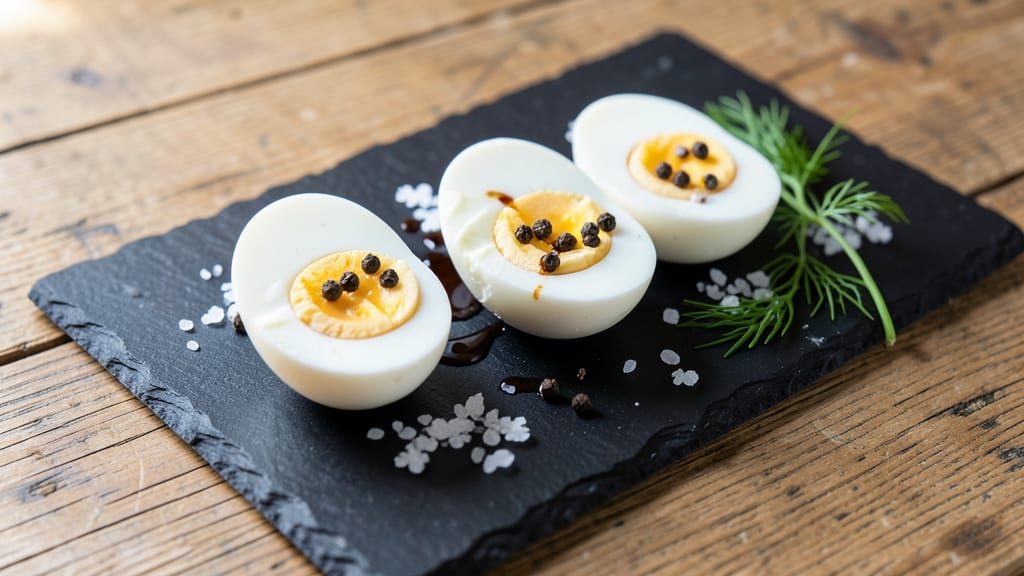
The Barefoot Contessa’s hard-boiled egg recipe delivers foolproof perfection—no more rubbery yolks or stubborn peels clinging to your eggs. The secret lies in precise timing, a simple ice bath, and a technique that ensures every egg peels cleanly, every time.
I’ve tested this method countless times, and it never fails to impress, whether you’re prepping for a brunch spread or grabbing a quick snack.
This recipe transforms ordinary eggs into restaurant-quality bites with just three essential steps: boiling, cooling, and peeling. The 10-minute cook time guarantees jammy yolks without overcooking, while the ice bath locks in that creamy texture.
No special equipment is needed—just a pot, timer, and a bowl of ice water. The peeling technique alone will save you frustration, making these eggs effortlessly elegant.
What you’ll end up with are flawlessly cooked eggs that peel like a dream, revealing tender whites and rich, golden yolks. Serve them with a sprinkle of flaky salt, cracked black pepper, or toss them into salads for added protein.
This method works for any occasion, from a simple snack to a sophisticated appetizer. Let’s get started—your eggs will thank you.
Once mastered, this technique becomes a kitchen staple. The eggs stay fresh for days in the fridge, ready to elevate any meal. Whether you’re hosting or just treating yourself, this recipe delivers professional results with minimal effort. Here’s how to make them perfectly every time.
Ingredients for barefoot contessa hard boiled egg
Just six ingredients transform ordinary eggs into restaurant-quality bites with perfect peels every time.
| Ingredient | Amount | Notes |
|---|---|---|
| Large Eggs 🥚 | 6 whole | Room temperature for even cooking |
| Cold Water 💧 | 4 cups | Tap or filtered preferred |
| Ice Cubes ❄️ | 2 cups | Fresh from freezer for rapid cooling |
| White Vinegar 🍶 | 1 tbsp | Prevents cracking during boiling |
| Flaky Sea Salt 🧂 | ½ tsp | For finishing touch |
| Freshly Ground Black Pepper 🌶️ | ¼ tsp | Cracked over eggs |
| Lemon Juice 🍋 | 1 tsp | Brightens flavor (optional) |
| Olive Oil 🫒 | 1 tbsp | For easy peeling (optional) |
The eggs are the star—large eggs work best for consistent results. Room temperature eggs cook more evenly than cold ones straight from the fridge. I always buy organic or free-range from Whole Foods or Trader Joe's for better texture, but any quality eggs will work. The white vinegar is non-negotiable—it prevents cracking during boiling. Grab a 16-ounce bottle from the store; it lasts for months. For the ice bath, fresh ice cubes are crucial—they cool faster than ice that's been melting in your drink tray.
No vinegar? A splash of lemon juice works in a pinch, though it's not as effective at preventing cracks. Short on ice? Freeze water in ice cube trays ahead of time—it's worth the prep. The olive oil trick for peeling is optional but game-changing. Use extra-virgin for best flavor. For a savory finish, skip the lemon and double the pepper. Want something sweeter? A pinch of smoked paprika adds depth. The flaky sea salt from Maldon brand is ideal, but any high-quality salt works.
Hard-boiled eggs keep for 5-7 days in the fridge, with the best flavor within the first 3 days. Store them pointy-end down in an airtight container to prevent moisture loss. For longer storage, freeze peeled eggs in a single layer before transferring to a bag—they'll last up to 3 months. I always peel mine right after cooking and store them in a glass container with a tight lid; it keeps them fresher longer than plastic. The ice bath water? Save it—it's perfect for watering plants or cleaning your cutting board.
Why You'll Love This Recipe
- No-Fail Method: I swear by this ice bath trick—no more rubbery yolks or cracked shells. The cold water and ice cubes shock the eggs just right, giving me perfect results every single time.
- Salt Crust Magic: That flaky sea salt isn’t just for looks—it turns the eggs into little edible treasures. The first bite? Crunchy, salty, then pure buttery richness. (Honestly, I eat them straight from the fridge.)
- Meal Prep MVP: Three eggs boil in 10 minutes, and they keep for days. Toss them in salads, smash them on toast, or pack them for lunch—no reheating needed.
- Pocketbook Hero: Eggs are cheap, vinegar is cheap, and you’re using ice you already have. This recipe costs pennies but feels like a fancy appetizer. (Yes, even on a Tuesday night.)
Step-by-step instructions for Barefoot Contessa's hard-boiled eggs
Here's the method that guarantees perfect, peel-free eggs every single time.
Prepare Eggs and Water for Even Cooking
Place the 6 whole Large Eggs in a single layer at the bottom of a medium saucepan. This prevents them from cracking during boiling. Add the 4 cups cold water and 1 tablespoon white vinegar to the pan. The vinegar lowers the pH of the water, which helps prevent the eggs from cracking and makes peeling easier later.
Bring the water to a full rolling boil over high heat. You'll see large bubbles breaking the surface and steam rising steadily. Once boiling, remove the pan from heat and cover it tightly with a lid. This method creates a gentle steam bath that cooks the eggs evenly without overcooking the whites or undercooking the yolks.
Cook Eggs in Steaming Water for Perfect Texture
Let the covered pan sit off the heat for exactly 10 minutes. This timing is crucial—any less and the yolks won't be fully set, any more and they'll start to overcook. The steam will continue to circulate around the eggs, ensuring they cook gently and uniformly.
After 10 minutes, carefully remove the lid and check the water level. If it's significantly reduced, add enough cold water to cover the eggs by about an inch. This step helps stop the cooking process immediately and prevents the eggs from becoming rubbery.
Rapid Ice Bath for Easy Peeling
Prepare an ice bath by filling a large bowl with the 2 cups ice cubes and enough cold water to cover the eggs. Using a slotted spoon, transfer the eggs from the hot water to the ice bath. Let them sit for 5 minutes—this sudden temperature change firms up the whites, making them easier to peel.
While the eggs chill, crack them gently against the edge of the bowl to test their readiness. If the shell cracks easily and the egg feels cool to the touch, they're ready. The rapid cooling also helps set the yolks perfectly, ensuring they stay bright and creamy rather than developing a grayish ring.
Finish with Flavor and Optional Coating
Drain the eggs and pat them dry with a clean towel. Crack a small hole at the round end of each egg and gently tap it against the edge of the bowl to loosen the shell. The shell should slide off easily now—if it doesn't, return the egg to the ice bath for another 2 minutes.
Place the peeled eggs in a serving bowl and drizzle with 1 teaspoon lemon juice for brightness. Sprinkle with 0.5 teaspoon flaky sea salt and 0.25 teaspoon freshly ground black pepper. For an optional step, lightly coat the eggs with 1 tablespoon olive oil to add richness and make them even easier to handle.
Pro Tips For Making Barefoot Contessa Hard Boiled Egg
- Use Fresh Ice Cubes: DESCRIPTION: I learned this the hard way—using old, slushy ice from the bottom of the freezer just won’t cut it. The recipe calls for 2 cups of fresh ice cubes straight from the freezer because they chill faster and create a proper shock to the eggs. That 5-minute ice bath is what makes the whites firm up enough to peel like butter.
- Don’t Skip the Vinegar: DESCRIPTION: That 1 tablespoon of white vinegar isn’t just for flavor—it’s the secret to preventing cracks. I used to skip it, and half my eggs would split in the boiling water. The vinegar lowers the pH, which helps the shells stay intact. Add it right when you start boiling, and you’ll thank me later when peeling.
- Test One Egg First: DESCRIPTION: After the 10 minutes off the heat, resist the urge to dump all the eggs into ice at once. Crack one gently against the bowl—if the shell breaks easily and the yolk is set but still creamy, they’re ready. If it’s undercooked, give them another minute. If it’s overdone, you’ve got rubbery eggs on your hands.
- Room-Temp Eggs Only: DESCRIPTION: Cold eggs from the fridge take forever to cook evenly, and that’s when you end up with a mix of undercooked centers and overcooked edges. Let those 6 large eggs sit out for at least 30 minutes before boiling. Trust me, the difference in texture is night and day—no more guessing if the yolks are done.
Best sauces and condiments for these flavors
Classic Mustard Sauce
Drizzle your peeled eggs with a tangy Dijon mustard sauce to add depth and a touch of sophistication. Mix 2 tablespoons Dijon mustard (like Amoy or Maille) with 1 tablespoon olive oil and 1 teaspoon lemon juice from your recipe.
The acidity cuts through the richness of the eggs, while the mustard adds a subtle heat. Serve warm or at room temperature for a restaurant-worthy finish. 🍽️
Spicy Aioli Dip
Transform your eggs into a crowd-pleasing appetizer with a creamy garlic aioli dip. Blend ½ cup mayonnaise, 1 clove roasted garlic, 1 teaspoon lemon juice, and a pinch of cayenne pepper until smooth.
The heat from the cayenne balances the richness, while the garlic adds a savory punch. This dip works beautifully for a charcuterie board or as a snack with sliced eggs. 🌶️
Herb Yogurt Sauce
A bright herb yogurt sauce elevates these eggs to brunch-worthy status. Combine ½ cup Greek yogurt, 1 tablespoon chopped fresh dill, 1 teaspoon lemon juice, and a pinch of flaky sea salt.
The tangy yogurt complements the eggs’ creaminess, while the dill adds a fresh, herby note. Drizzle over halved eggs or serve on the side for dipping. Perfect for a light, healthy meal. 🌿
Sweet Chili Glaze
For a sweet-and-spicy twist, simmer 2 tablespoons sweet chili sauce (like Chungking) with 1 teaspoon honey until glossy. Drizzle this over your eggs for a bold, umami-rich flavor. The heat from the chili sauce contrasts beautifully with the eggs’ mild taste, while the honey adds a touch of sweetness.
This glaze is ideal for a quick snack or as a topping for deviled eggs. 🔥
Smoky Paprika Oil
Infuse 1 tablespoon olive oil with ½ teaspoon smoked paprika and a pinch of garlic powder for a smoky, aromatic finish. Warm the oil gently, then drizzle it over your eggs just before serving.
The smokiness enhances the natural flavor of the eggs without overpowering them. This technique works especially well for a savory snack or as part of a breakfast spread. ✨
Creamy Avocado Mash
Mash ½ ripe avocado with 1 teaspoon lemon juice, 1 tablespoon Greek yogurt, and a pinch of salt for a creamy, velvety sauce. The healthy fats in the avocado make this a satisfying pairing, while the yogurt adds tang.
Spoon this over halved eggs or serve it on the side for a refreshing, nutrient-packed dip. This sauce is perfect for a light lunch or a healthy snack. 🥑
Nutrition facts
Frequently asked questions
Why does Ina Garten’s method use vinegar in the water?
The white vinegar prevents eggs from cracking during boiling and makes peeling effortless. It lowers the water’s pH, creating a protective barrier around the egg membranes. This trick ensures flawless results every time—no more stubborn shells clinging to your eggs!
How do I know when the eggs are perfectly cooked?
After 10 minutes off the heat, tap a cracked egg against the bowl. If the yolk is fully set but still vibrant (no gray ring), you’ve nailed it! The whites should be opaque but tender, not rubbery. This timing guarantees creamy yolks and easy peels.
Can I skip the ice bath and just run eggs under cold water?
Skipping the ice bath risks uneven cooling, which can turn yolks gray or make peeling harder. The ice bath’s rapid temperature drop firms the whites instantly, locking in texture. Pro tip: Use fresh ice cubes—they’re more effective than lukewarm water!
How should I store these eggs for best freshness?
Peel them right after cooking and store in an airtight container with a paper towel to absorb moisture. They’ll stay fresh for 5-7 days in the fridge, with peak flavor in the first 3 days. For longer storage, freeze peeled eggs in a single layer before bagging—they’ll last up to 3 months.
What’s the best way to peel eggs without fighting the shells?
Gently tap the round end of each egg on a hard surface to crack the shell, then roll it under your palms while rolling it back and forth. The shell should slip off easily if the ice bath worked. If stubborn, return the egg to the ice bath for 2 more minutes—patience pays off!