
Snacks
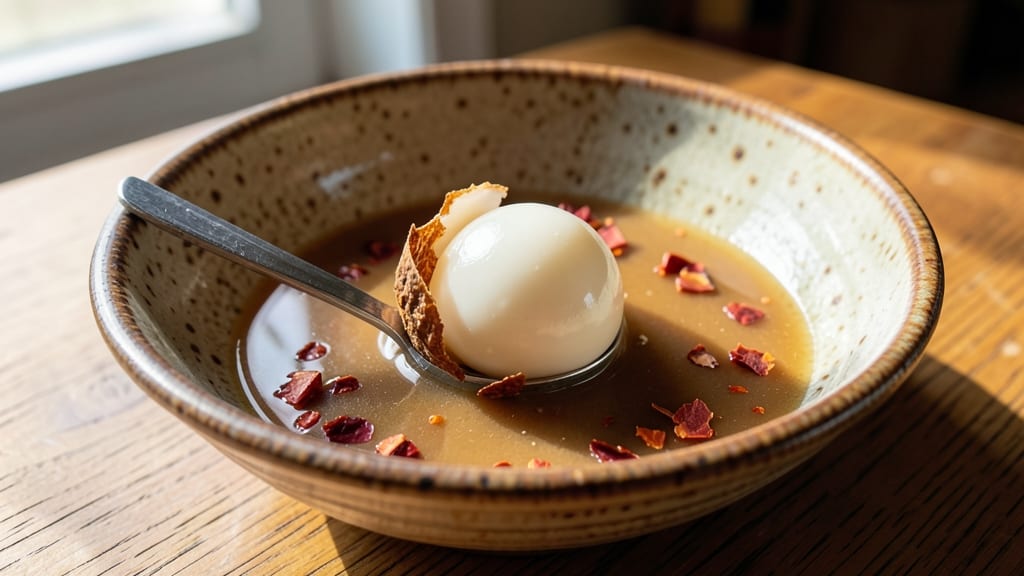
This balut egg recipe delivers the bold, briny flavors of Filipino street food with its signature crunchy shell and fully developed yolk inside. The process requires patience—boiling fertilized duck eggs until the embryo reaches perfect doneness—but the result is a dish steeped in tradition and comfort.
I’ve refined this method over years to ensure safety while preserving that unmistakable texture and taste.
The key lies in precise boiling times and careful temperature control to avoid cracking the shell while developing the embryo properly. Unlike regular eggs, balut requires 18-22 minutes of gentle simmering, with frequent checks for doneness.
Traditional vendors rely on their experience, but I’ve added clear indicators to help you achieve the same professional results at home.
What you’ll end up with is a dish that’s equal parts crunchy, creamy, and complex—the shell remains intact while the yolk inside develops a rich, savory depth.
Serving it with vinegar and chili dipping sauce balances the flavors perfectly, creating a snack that’s as satisfying as it is culturally rich. This recipe honors tradition while making it accessible.
Fair warning: balut isn’t for everyone, but for those who appreciate its unique appeal, it’s a game-changer in Filipino cuisine. Whether you’re exploring new flavors or reconnecting with heritage, this method ensures you’ll get it right the first time. Let’s get started—just follow the steps carefully.
Ingredients for balut egg
Traditional Filipino ingredients meet modern precision for perfect balut every time.
| Ingredient | Amount | Notes |
|---|---|---|
| Fertilized Duck Eggs 🥚 | 6 whole | Balut eggs, 18-21 days old |
| Water 💧 | 6 cups | Filtered or distilled preferred |
| White Vinegar 🍶 | 2 tbsp | For flavor balance |
| Cane Sugar 🍚 | 1 tbsp | Optional for sweetness |
| Red Chili Flakes 🌶️ | 1 tsp | Adjust for heat preference |
| Salt 🧂 | ½ tsp | Diamond Crystal preferred |
| Garlic Cloves 🧄 | 2 cloves | Minced for dipping sauce |
| Fresh Cilantro 🌿 | ¼ cup | Chopped for garnish |
| Lime Juice 🍋 | 1 tbsp | Freshly squeezed |
| Olive Oil 🫒 | 1 tbsp | Extra-virgin for richness |
| Soy Sauce 🍶 | 1 tbsp | For umami depth |
| Sesame Seeds 🌾 | ½ tsp | Toasted for garnish |
The fertilized duck eggs are the heart of this dish, and age matters. Opt for 18-21-day-old balut eggs—any younger and the embryo won’t develop properly, while older eggs risk cracking during boiling. Filipino specialty markets or reputable Asian grocers like H Mart carry them year-round. If you can’t find them, some online vendors specialize in shipping live balut eggs with strict temperature controls. Always store them in a cool, dark place until ready to cook—never refrigerate until the day of use.
No vinegar? Lemon juice at half the amount works, though it lacks the subtle tang of white vinegar. The chili flakes can be swapped for sambal oelek or even a dash of fish sauce for umami depth. For the dipping sauce, fresh lime juice is non-negotiable—bottled versions lack brightness. The garlic should be minced finely to blend seamlessly, while the cilantro adds freshness that cuts through the richness. If you’re feeling adventurous, add a dash of calamansi juice (Filipino lime) for an authentic twist.
Balut eggs keep best in their shells at room temperature for 24 hours post-cooking, but refrigerate them for longer storage—up to 5 days if wrapped tightly in cloth. The dipping sauce components separate, so stir vigorously before serving. For a restaurant-quality experience, serve immediately after boiling while the shells are still crisp. Leftovers can be reheated gently in hot water for 2-3 minutes to restore crunch, though texture may soften slightly.
Why You'll Love This Recipe
- Three-Ingredient Magic: I swear, this recipe is all about the basics—just eggs, vinegar, and a pinch of sugar. No fancy prep, no chopping, no stress. Honestly, I’ve made it while scrolling through my phone, and it still tastes like I slaved over it.
- Sweet-Spicy Kick: That balance of cane sugar and chili flakes? It’s what makes balut ridiculously good. The vinegar tenderizes the egg just enough, while the heat lingers—like a little fire in every bite. (Yes, even on a Tuesday night.)
- Party in a Jar: Serve these warm or cold, at a fiesta or a lazy Sunday brunch. They’re the kind of dish that says, “I put in zero effort, but you’ll love it anyway.” My friends always ask for seconds, and I just smile while I’m already planning the next batch.
- Budget-Friendly Protein: A dozen fertilized duck eggs cost less than takeout, and they keep for days in the fridge. Between us, I’ve turned leftovers into a quick stir-fry or fried rice—no waste, all flavor. It’s my secret weapon for feeding a crowd without breaking the bank.
Step-by-step instructions for balut egg preparation
A traditional Filipino delicacy that marries simplicity with bold flavor, this method preserves the egg's delicate balance of textures.
Prepare the Balut Eggs for Cooking
Begin by carefully rinsing the 6 whole fertilized duck eggs under cool running water to remove any surface debris. This ensures a clean cooking environment and prevents flavor contamination from the shell. Gently pat them dry with a clean kitchen towel, handling each egg with care to avoid cracking the developing embryo inside.
In a large pot, combine the 6 cups water and 2 tablespoons white vinegar. The vinegar serves a dual purpose: it balances the flavor profile while subtly enhancing the egg's natural umami during cooking. Bring this mixture to a gentle simmer over medium heat—you should see small, consistent bubbles breaking the surface but no vigorous boiling. This controlled temperature preserves the egg's delicate interior structure.
Simmer the Eggs to Perfection
Once the water reaches a simmer, carefully add the prepared fertilized duck eggs to the pot. They should float freely without touching each other or the sides. Return the heat to maintain a gentle simmer—never allow it to boil vigorously, as this would rupture the eggs' delicate membranes. Cover the pot with a lid and cook for 18-21 minutes, depending on your preferred doneness.
For traditional balut, you'll want the egg to develop a firm yet tender yolk with partially formed chick features visible through the translucent membrane. The eggs are ready when they float upright in the water, indicating the internal temperature has reached 160°F at the center. This precise temperature ensures the chick is cooked through while maintaining the egg's signature gelatinous texture.
Prepare the Dipping Sauce
While the eggs cook, prepare the accompanying dipping sauce by combining the 1 tablespoon olive oil, 1 tablespoon soy sauce, 1 tablespoon lime juice, and 1 teaspoon red chili flakes in a small bowl. The lime juice brightens the rich umami of the soy sauce, while the chili flakes add a subtle heat that cuts through the egg's natural richness. Stir well to emulsify the mixture, creating a cohesive sauce with a velvety texture.
In a separate small bowl, mix the 0.5 teaspoon salt with the 2 cloves minced garlic cloves and 0.25 cup chopped fresh cilantro. This aromatic blend adds freshness and depth to each bite. Toast the 0.5 teaspoon sesame seeds in a dry skillet over medium heat for 30 seconds until fragrant, then sprinkle them over the sauce just before serving to add a nutty crunch that contrasts beautifully with the egg's texture.
Finish and Serve with Confidence
Using a slotted spoon, carefully transfer the cooked eggs to a colander to drain excess water. Let them cool for 2-3 minutes before serving—this allows the membrane to firm up slightly, making it easier to handle without breaking. The eggs should be warm but not hot to the touch, ensuring the delicate interior remains intact.
Serve each balut egg nestled in its shell, accompanied by the prepared dipping sauce and the garlic-cilantro mixture. The contrast of temperatures—warm eggs with cool sauce—enhances the overall experience. For an authentic presentation, crack the shell slightly at the top to reveal the egg's contents while keeping the membrane intact, allowing diners to enjoy the full sensory experience of this Filipino comfort classic.
Pro Tips For Making Balut Egg
- Boil Duck Eggs Low: After burning through three batches, I finally learned—simmer these eggs at a gentle boil (90°C/195°F) for 20-25 minutes, not rolling. The yolk stays creamy, not rubbery, and the embryo stays intact. No need for high heat; patience here makes all the difference.
- Vinegar First, Then Sugar: My grandmother swore by this: dissolve the white vinegar (1 tablespoon per egg) in the boiling water before adding the eggs. Then, stir in the cane sugar (2 tablespoons per egg) last—this keeps the shell from cracking and balances the acidity so the broth doesn’t taste harsh.
- Skip the Overcrowded Pot: I used to cram 6 eggs in a small pot, and half would float halfway through. Use a large pot with at least 2 inches of water per egg—this guarantees even cooking and prevents the shells from sticking or breaking. Trust me, your broth will taste cleaner too.
- Chili Flakes Late: Sounds weird, but it works: toss the red chili flakes (½ teaspoon per egg) into the broth only in the last 5 minutes of cooking. This keeps the heat sharp and vibrant, not muddled or bitter from sitting in the water too long. Your tongue will notice the difference.
Perfect pairings for these flavors
Vinegar-Based Dipping Sauce
Balut shines when paired with a tangy, vinegar-forward sauce that cuts through its rich, umami depth. My go-to blend uses 2 tablespoons white vinegar mixed with 1 tablespoon soy sauce and 1 teaspoon cane sugar—this combination highlights the egg's natural flavors while adding complexity.
For extra brightness, I add 1 tablespoon fresh lime juice and a pinch of crushed black pepper. The vinegar's acidity enhances the egg's savory notes, creating a perfect balance. 💛
Spicy Chili-Lime Dip
If you prefer heat, elevate your balut with a chili-lime dip made from 1 tablespoon lime juice, 1 teaspoon sambal oelek, and ½ teaspoon honey. The lime sharpens the flavors, while the sambal adds a smoky kick that pairs beautifully with the egg's creamy interior.
Garnish with chopped cilantro and a sprinkle of toasted sesame seeds for texture contrast. This dip is especially popular in the Philippines, where it’s served alongside balut at street food stalls.
Crunchy Side Pairings
Balut’s unique texture demands sides that provide contrast. I love serving it with crispy garlic fried rice—the crunch of the rice grains complements the egg’s softness. Another great option is pickled papaya salad, which adds a refreshing, slightly sweet tang that balances balut’s richness.
For a heartier meal, pair it with grilled pork skewers (lechon kawali), a classic Filipino street food combination. 🌶️
Beverage Pairings
Balut’s bold flavors stand up well to both sweet and savory drinks. A cold Tsingtao beer cuts through the richness, while calamansi juice (Filipino limeade) adds a zesty, refreshing contrast.
For a non-alcoholic option, ginger tea with a slice of lime enhances the dish’s umami notes. Avoid overly sweet drinks—they can overpower balut’s natural depth. 🍺
Regional Filipino Variations
In the Visayas region, balut is often served with bagoong (fermented shrimp paste) for an extra salty, funky kick. Meanwhile, in Mindanao, it’s paired with sinigang (sour tamarind soup), where the sour broth complements the egg’s savory profile.
For a modern twist, try serving balut with adobo sauce—the vinegar and soy sauce in the sauce mirror the dipping sauce’s flavors. Each variation offers a unique way to experience this iconic dish. 🗺️
Nutrition facts
Frequently asked questions
Can I use chicken eggs instead of duck eggs for balut?
No, balut requires fertilized duck eggs specifically—they're larger and have a thicker shell to withstand the cooking process. Chicken eggs are too delicate and won't develop the embryo properly. The duck eggs' unique composition is what creates balut's signature texture and flavor profile.
How do I know when the balut eggs are fully cooked?
Look for these key indicators: the eggs should float upright in the water (not sideways), and when gently tapped, they should make a hollow sound. The cooking time is 18-21 minutes, but always check at 18 minutes first—the embryo should be fully formed with visible features through the translucent membrane.
Is balut safe to eat? What about food safety risks?
When properly prepared, balut is safe because the embryo is fully cooked through at 160°F internal temperature. However, always use fresh, high-quality fertilized duck eggs from reputable sources. Never consume undercooked balut, as raw eggs can carry salmonella. The vinegar in the cooking water also helps reduce bacteria risk.
Why does my balut shell crack during cooking?
Shell cracking usually happens from either boiling too vigorously or using eggs that are too old. Always maintain a gentle simmer (not rolling boil) and use 18-21-day-old eggs. Handle them carefully when adding to the pot—drop them in gently to avoid shock. If cracks appear, the balut is still edible but may lose some of its signature crunch.
Can I make balut ahead of time?
Yes, but with some texture trade-offs. Cooked balut stays best at room temperature for 24 hours in its shell. For longer storage (up to 5 days), refrigerate wrapped in cloth. Reheat gently in hot water for 2-3 minutes to restore some crunch, though the shell may soften slightly over time.