
Breakfast & Brunch
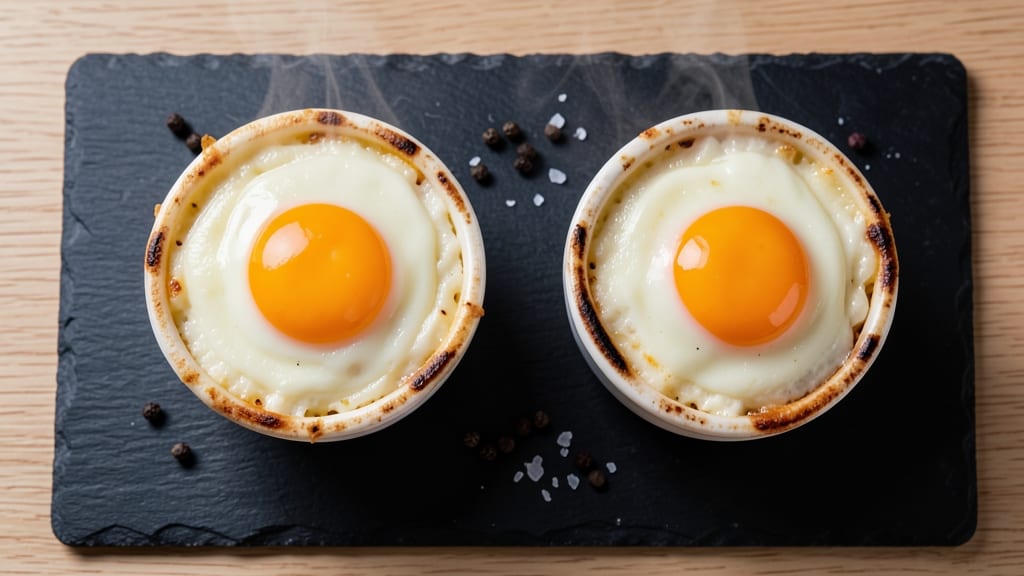
Gordon Ramsay’s baked cottage cheese and eggs recipe transforms breakfast into a restaurant-worthy dish with its silky, golden clouds and perfectly runny yolks—a technique that elevates simple ingredients into something extraordinary.
The secret lies in the precise balance of cottage cheese, eggs, and cream, baked just until the edges set while keeping the center lusciously soft. I’ve refined this method to ensure every bite delivers that luxurious texture and rich flavor Ramsay’s fans expect.
This recipe delivers foolproof results with minimal effort, requiring only a few high-quality ingredients and a 375°F oven to create a dish that looks as impressive as it tastes.
The cottage cheese adds a subtle tang and creamy body, while the eggs provide that signature velvety yolk that makes this dish irresistible. The key technique? Baking in ramekins ensures even heat distribution, so every portion achieves that cloud-like consistency.
By the time you pull this dish from the oven, you’ll have golden, fluffy clouds of cottage cheese and eggs with yolks so tender they glide off the spoon.
The aroma alone will draw everyone to the table, and the first bite delivers that perfect harmony of creamy, rich, and slightly tangy flavors. This is the kind of breakfast that turns ordinary mornings into something special—restaurant-quality at home.
Serve with fresh herbs, toasted bread, or a simple salad to complete the meal. The beauty of this recipe is its versatility—it works equally well for weekend brunches or a luxurious weekday treat. Let’s bring Gordon Ramsay’s magic to your kitchen with this elevated yet approachable dish.
Ingredients for baked cottage cheese eggs gordon ramsay
Restaurant-quality breakfast begins with these precise ingredients—creamy cottage cheese, velvety eggs, and rich dairy for that signature cloud-like texture.
| Ingredient | Amount | Notes |
|---|---|---|
| Large Eggs 🥚 | 4 whole | Room temperature for even baking |
| Full-Fat Cottage Cheese 🧀 | 1 cup | Small curd variety preferred |
| Heavy Cream 🥛 | ½ cup | Full-fat for optimal texture |
| Unsalted Butter 🧈 | 2 tbsp | Cold, cubed for even melting |
| Diamond Crystal Kosher Salt 🧂 | ½ tsp | Fine grain for delicate seasoning |
| Freshly Ground Black Pepper 🌶️ | ¼ tsp | Freshly cracked for vibrant flavor |
| Fresh Chives 🌿 | 2 tbsp | Finely chopped for garnish |
| Extra-Virgin Olive Oil 🫒 | 1 tbsp | For ramekin preparation |
| Crusty Bread 🍞 | 4 slices | Toasted for serving |
| Freshly Squeezed Lemon Juice 🍋 | 1 tsp | Brightens the tangy profile |
| Smoked Paprika 🌶️ | ⅛ tsp | Subtle smoky depth (optional) |
| Fresh Dill 🌿 | 1 tbsp | Chopped for herbaceous finish |
The cottage cheese is non-negotiable—opt for small-curd, full-fat varieties like Kroger's Small Curd or Trader Joe's Organic for that authentic, airy texture. Room temperature eggs are critical; they bake more evenly and prevent cracking. For the heavy cream, Hormel Organic or Whole Foods 365 deliver consistent richness without overpowering the dish. The butter should be European-style if possible—it melts more smoothly, creating a silkier finish. Pre-portion your ramekins with olive oil to prevent sticking; I use 4-ounce ceramic ramekins for perfect individual servings.
No full-fat cottage cheese? Greek yogurt blended smooth works in a pinch, though the texture will differ slightly. Swap heavy cream for half-and-half if needed, but expect a less luxurious mouthfeel. Diamond Crystal kosher salt is essential—it dissolves cleanly without graininess. Fresh herbs are ideal, but dried dill at one-third the amount suffices if fresh isn't available. The smoked paprika adds depth without overpowering; Penzeys or McCormick brands offer reliable quality. Lemon juice should be freshly squeezed—bottled lacks the bright acidity needed to balance the richness.
Store prepped ramekins in the fridge for up to 2 hours before baking for optimal texture. Once baked, these keep 3 days refrigerated in an airtight container, though the yolks firm up slightly. For make-ahead convenience, assemble the mixture in ramekins, cover, and refrigerate overnight—bake straight from the fridge at 375°F for 15-18 minutes. The dish reheats beautifully in the oven at 350°F for 10 minutes to restore the creamy consistency. Portion garnishes separately to maintain freshness.
Why You'll Love This Recipe
- Here’s what sold me: I can prep the ramekins the night before and pop them in the oven the next morning. The custards stay silky and rich, and the yolks are still just set enough to be perfect. It’s my go-to for lazy Sundays or when I need to feed a crowd without slaving away in the kitchen—just double the batch and bake two pans side by side.
- No-Fuss Weeknight Dinner: Honestly, this recipe feels like cheating—just whisk, pour, and bake. The only real effort is whisking the eggs properly (and even that’s easier than scrambling), while the water bath does all the work. I’ve made this on nights when I’d normally order takeout, and it always feels like a restaurant-quality meal without the fuss.
- Tangy-Rich Magic: That combo of full-fat cottage cheese and heavy cream? It’s where the real magic happens. The cottage cheese gives this dish that bright, slightly tangy kick, while the butter and lemon juice make it impossibly creamy—like a cross between a fussy French custard and a comforting breakfast casserole. The smoked paprika (if you use it) adds this subtle depth that makes it taste way more sophisticated than it is.
- Make-Ahead Flexibility: Here’s what sold me: I can prep the ramekins the night before and pop them in the oven the next morning. The custards stay silky and rich, and the yolks are still just set enough to be perfect. It’s my go-to for lazy Sundays or when I need to feed a crowd without slaving away in the kitchen—just double the batch and bake two pans side by side.
Step-by-step instructions for baked cottage cheese and eggs
Here's the method for silky, golden custards with perfectly runny yolks—no shortcuts, just precision.
Prepare the Ramekins and Base Mixture
Preheat your oven to 350°F. Lightly grease four 4-ounce ramekins with the 1 tablespoon extra-virgin olive oil, ensuring the oil coats the entire interior. This prevents sticking and creates a smooth finish. In a mixing bowl, combine the 1 cup full-fat cottage cheese, 0.5 cup heavy cream, 0.5 teaspoon diamond crystal kosher salt, and 0.125 teaspoon smoked paprika. Whisk until completely smooth—no lumps should remain. The cottage cheese should blend seamlessly into the cream, creating a velvety base.
Here's the thing—full-fat cottage cheese is crucial. The fat content ensures a rich, creamy texture rather than a watery one. If you use low-fat, the custards will separate during baking. Taste the mixture now; it should be tangy and slightly salty, with a whisper of smokiness from the paprika.
Incorporate Eggs and Seasonings
In a separate bowl, gently whisk the 4 whole large eggs until the yolks and whites are fully combined but still slightly textured—over-whisking introduces air, which can cause the custards to puff unevenly. Gradually pour the egg mixture into the cottage cheese blend while whisking constantly. This step is critical: fold in the 2 tablespoons finely chopped fresh chives and 1 tablespoon chopped fresh dill next, ensuring the herbs are evenly distributed. The herbs should be finely minced so they disperse evenly rather than clumping.
Season with the 0.25 teaspoon freshly ground black pepper and 1 teaspoon freshly squeezed lemon juice. The lemon juice brightens the tangy profile of the cottage cheese, while the pepper adds a subtle sharpness. Stir in the 2 tablespoons unsalted butter, cut into small cubes, until fully melted into the mixture. The butter adds richness and helps create a luxurious mouthfeel. The mixture should now be thick, smooth, and just slightly glossy.
Bake to Golden Perfection
Divide the mixture evenly among the prepared ramekins, filling each about ¾ full. Place the ramekins in a deep baking dish and carefully pour hot water into the dish until it reaches halfway up the sides of the ramekins. This water bath ensures gentle, even baking and prevents the edges from overcooking. Bake for 35-40 minutes—the custards are done when they've puffed slightly and the centers are just set but still slightly wobbly, with a golden-brown crust on top.
Don't overbake. You want the centers to be almost set but still slightly jiggly—this ensures the yolks remain runny when served. If you're unsure, insert a toothpick into the center; it should come out with a few moist crumbs clinging to it, not completely clean. Remove the ramekins from the water bath and let them cool for 5 minutes before serving. The residual heat will continue to set the custards slightly, but they'll still have that signature silky texture.
Serve with Crusty Bread
While the custards cool, toast the 4 slices crusty bread until deep golden brown and crisp. The bread should have a firm bite and a slightly charred exterior—this contrast with the creamy custards is essential. To serve, invert each custard onto a plate, allowing the golden crust to face upward. The custards should hold their shape but still have a slightly trembling center when gently shaken. Spoon any extra sauce from the ramekins over the top for maximum richness.
Garnish with an additional sprinkle of freshly chopped chives and dill for a pop of color and freshness. Serve immediately with the toasted bread on the side. The crusty bread cuts through the richness of the custards, balancing the dish perfectly. Each bite should deliver a silky, creamy texture with a perfectly runny yolk at the center—this is the hallmark of a well-executed baked cottage cheese and egg dish.
Pro Tips For Making Baked Cottage Cheese Eggs Gordon Ramsay
- Whisk Eggs Just Enough: I used to over-whisk the eggs until they were frothy, thinking it would make the custards fluffier—wrong. Stop when the yolks and whites are just combined with a few faint streaks. Over-whisking traps air, which makes the custards puff unevenly in the oven. You want smooth, not soufflé-like.
- Cube the Butter Cold: Cut those 2 tablespoons of unsalted butter into tiny cubes—no bigger than a pea—and keep them cold until the last second. Tossing in soft butter means it’ll melt into a greasy sludge instead of emulsifying into the mixture. Cold cubes melt gradually, creating that velvety texture without breaking the custard.
- Water Bath Halfway Up: Fill the baking dish with hot water until it reaches halfway up the sides of the ramekins—no more, no less. Too little water and the edges overcook; too much and the custards steam instead of baking properly. Think of it like a Goldilocks zone: just enough to keep things gentle but not soggy.
- Test with a Toothpick: When checking doneness at 35 minutes, stick a toothpick in the center—it should come out with moist crumbs, not clean. If it’s dry, you’ve overbaked. If it’s wet, give it another 2-3 minutes. The custard should jiggle like a wobbly Jell-O when shaken gently. No guesswork here.
Perfect pairings for this baked cottage cheese eggs gordon ramsay
Herb-Infused Garnishes
Fresh herbs elevate this dish from simple to extraordinary. I always garnish with an extra sprinkle of finely chopped chives and dill—their bright, fresh flavors cut through the richness beautifully. For a more robust finish, add microgreens or thinly sliced scallions right before serving.
A pinch of flaky sea salt (like Maldon) on top adds a sophisticated touch that Ramsay-style dishes often feature. 🌿
Crispy Bread Pairings
The contrast of crispy bread with creamy custards is essential. I recommend sourdough or brioche slices, toasted until golden and slightly charred. For extra flair, brush the warm bread with garlic-infused olive oil and sprinkle with smoked paprika before serving.
A crusty baguette works perfectly—its sturdy texture holds up to the custard's richness while providing a satisfying bite. 🍞
Bright Citrus Accents
A squeeze of fresh lemon juice (already in the recipe) brightens the dish, but you can also serve it with a lemon wedge on the side. The acidity enhances the tangy cottage cheese and balances the richness of the eggs.
For a more elegant touch, add a few drops of lemon zest to the garnish. If you prefer a sweeter contrast, a drizzle of honey (about ½ teaspoon) adds a delicate floral note. 🍋
Smoky-Spiced Touches
Since the recipe already includes smoked paprika, you can enhance the dish further by adding a sprinkle of crumbled feta cheese (about 1 teaspoon per serving) for a salty, tangy contrast.
For a smokier profile, serve with pickled red onions or a side of smoked salmon—the salty, smoky flavors complement the custards beautifully. A dash of hot sauce (like Cholula) on the side lets guests adjust the heat to their preference. 🌶️
Warm Beverage Pairings
This dish pairs wonderfully with warm beverages that cut through its richness. A cup of earl grey tea with a splash of milk adds a floral, slightly bitter contrast. For coffee lovers, a strong black coffee or a latte with a hint of vanilla syrup balances the dish perfectly.
A glass of sparkling water with lemon slices keeps it light and refreshing, especially for brunch. ☕
Sweet Contrasts
For a sweet-and-savory twist, serve with a side of caramelized apples or a small bowl of berry compote. The natural sweetness of the fruit contrasts beautifully with the savory custards.
A drizzle of maple syrup (about 1 teaspoon) over the custards just before serving adds a subtle sweetness that enhances the overall flavor profile. 🍎
Nutrition facts
Frequently asked questions
Why does this recipe use cottage cheese instead of just eggs?
The cottage cheese adds a subtle tang and creamy body that transforms this into a luxurious dish rather than just scrambled eggs. Its fat content creates that signature cloud-like texture while balancing the richness of the eggs. The small curds blend smoothly for an ultra-silky finish.
Can I make this ahead of time for brunch?
Prep the ramekins with the mixture and refrigerate them for up to 2 hours before baking. For make-ahead brunches, assemble the custards completely (covered) and refrigerate overnight—just bake straight from the fridge at 375°F for 15-18 minutes. The flavors deepen overnight, and reheating in the oven restores that creamy texture.
What's the secret to getting perfectly runny yolks?
Bake until the custards are just set with slightly jiggly centers (about 35-40 minutes at 350°F). A toothpick should come out with moist crumbs, not completely clean. Overbaking by even 5 minutes will firm up the yolks. The water bath also helps maintain that delicate center.
What if I don't have ramekins? Can I use other dishes?
You can use oven-safe ceramic or glass dishes (like small custard cups), but ramekins are ideal for their even heat distribution. If using other dishes, reduce the baking time by 2-3 minutes—they conduct heat differently. Avoid metal dishes as they can cause uneven cooking.
How do I fix if my custards come out watery?
Watery custards usually mean the mixture wasn't thick enough or the oven wasn't hot enough. Always use full-fat cottage cheese and heavy cream—they provide the necessary fat for stability. If it happens, try baking at 375°F for 5 extra minutes and let them rest longer before serving. The residual heat will help them set properly.