
Desserts
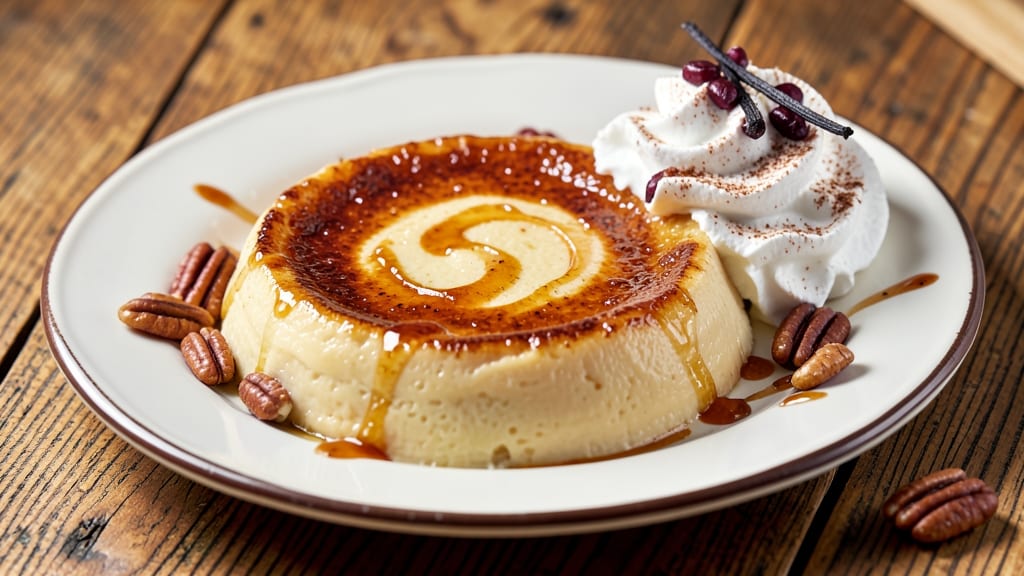
This Amish egg custard recipe delivers the perfect balance of a golden caramelized crust over silky vanilla bean custard—a dessert that feels like a warm embrace. The tradition of Amish custards dates back to Pennsylvania Dutch settlers, where simple ingredients transformed into something extraordinary through careful technique.
What makes this recipe special is how the custard's texture changes from runny to set just right, creating that signature creamy center with a crisp exterior.
The secret lies in precise temperature control and slow baking, which ensures the custard never curdles while developing that signature caramelized crust. Using vanilla bean instead of extract adds depth and a subtle floral note that elevates the dish beyond basic custards.
This method works equally well for individual ramekins or a large baking dish, making it perfect for gatherings or a comforting solo treat.
What you'll achieve is a dessert that's rich yet light, with a velvety custard that melts in your mouth and a caramelized crust that adds satisfying texture. The aroma alone will bring back memories of family gatherings, where every bite feels like a taste of tradition.
Ready in about 45 minutes, this custard is simple yet impressive—ideal for those who appreciate timeless recipes with modern appeal.
Once mastered, you can easily adapt this recipe with lemon zest for brightness or cocoa powder for a chocolate twist. The possibilities are endless while keeping the core technique intact. Let's create something truly special—one custard at a time.
Ingredients for amish egg custard
Classic ingredients elevated by technique—where simple meets extraordinary through precision and patience.
| Ingredient | Amount | Notes |
|---|---|---|
| Large Eggs 🥚 | 6 whole | Room temperature for best blending |
| Granulated White Sugar 🍚 | 1 ½ cups | Superfine preferred for smoother texture |
| Heavy Cream 🥛 | 2 cups | Full-fat for optimal richness |
| Whole Milk 🥛 | 1 cup | 2% or whole preferred |
| Vanilla Bean 🌿 | 2 whole | Seeds scraped, pods reserved |
| Unsalted Butter 🧈 | ½ cup | Cold, cubed for crust |
| Brown Sugar 🍚 | ½ cup | Packed for caramelized crust |
| All-Purpose Flour 🌾 | ¼ cup | For crust texture |
| Diamond Crystal Kosher Salt 🧂 | ½ tsp | Adjust to taste |
| Ground Cinnamon 🌶️ | ½ tsp | Optional for warmth |
| Vanilla Extract 🍯 | 1 tsp | Pure, high-quality preferred |
| Cornstarch 🌾 | 2 tbsp | For silky custard |
The vanilla bean is non-negotiable here. Madagascar Bourbon beans from Penzeys deliver that signature floral depth, but Tahitian or Mexican work beautifully too. Scrape every last bit of seed—those little pods hide flavor gold. For the dairy, Whole milk and heavy cream from organic farms add unmatched richness, though Trader Joe's organic brands are a budget-friendly shortcut. The eggs should be large, fresh, and room temperature—this ensures proper emulsification without curdling. Pre-whisked egg whites? Avoid them—they introduce air bubbles that disrupt the custard's silky texture.
No vanilla bean? High-quality vanilla extract (like Madagascar Bourbon) works in a pinch, though you'll lose that subtle floral complexity. Substituting cornstarch? Arrowroot powder at equal measure maintains the same thickening power. For the crust, brown sugar from a bulk bin (like Whole Foods) caramelizes better than pre-packaged versions. The cinnamon is optional but recommended—it adds warmth that complements the vanilla beautifully. If you're making this ahead, pre-mix the dry ingredients (flour, sugars, spices) in a bowl to streamline assembly day. And for the love of custards, measure by weight if possible—cups can vary wildly with packing.
This custard rewards patience. Assemble the custard mixture the night before—cover and refrigerate for 12-24 hours to develop deeper flavor. The crust components (butter, sugars, flour) can be mixed dry up to 3 days ahead; just press into the dish when ready to bake. For individual servings, ramekins should be 6-8 oz capacity—any larger and the custard may not set properly. Baked custards keep 4 days refrigerated or 3 months frozen (thaw overnight in the fridge). Reheat gently in a 350°F oven for 10-15 minutes—microwaving risks rubbery texture. Leftovers? Repurpose as French toast or trifle layers—trust me, they're even better the second time around.
Why You'll Love This Recipe
- No-Fuss Overnight Prep: I swear by making the custard base the night before—just whisk the eggs, cream, and vanilla, then let it chill. By morning, the flavors meld perfectly, and baking becomes a breeze. No last-minute scrambling, just smooth sailing.
- Caramelized Crunch Meets Cream: That amber crust? Chef’s kiss. The brown sugar and butter caramelize into a buttery, crackly shell while the custard inside stays velvety thanks to the cornstarch. It’s the kind of contrast that makes you take a second bite without thinking.
- Weeknight to Dinner Party: Serve it warm from the oven with a drizzle of honey for a cozy family dessert, or chill it for a showstopping brunch. The ramekins make individual portions effortless—no fuss, just elegance. (Yes, even on a Tuesday night.)
- Leftovers That Last: Four days in the fridge? No problem. Three months frozen? Even better. The custard stays rich and creamy, and the crust doesn’t turn soggy. Plus, the ingredients stretch far—this is my go-to for feeding a crowd without breaking the bank.
Step-by-step instructions for Amish egg custard
Master this classic custard with a signature caramelized crust using precise techniques.
Prepare the Crust Mixture
In a medium saucepan, combine the 0.5 cup unsalted butter, 0.5 cup brown sugar, 1.5 cups granulated white sugar, and 1 cup whole milk. Place over medium heat and bring to a gentle boil, stirring constantly until the sugars dissolve completely. This should take about 5 minutes—watch for the mixture to turn a rich amber color.
Remove from heat and immediately whisk in the 0.25 cup all-purpose flour and 0.5 tsp diamond crystal kosher salt until smooth. The mixture should thicken slightly but remain pourable. Here's the thing—this crust mixture needs to be hot when poured, so work quickly to prevent it from cooling before using.
Infuse the Custard Base
While the crust mixture cools slightly (but remains warm), scrape the seeds from the 2 whole vanilla bean pods and add them to a separate bowl. Whisk in the 6 whole large eggs, 2 cups heavy cream, 1 tsp vanilla extract, 0.5 tsp ground cinnamon, and 2 tbsp cornstarch until fully combined and smooth. The cornstarch is crucial here—it creates that signature silky texture.
Strain the mixture through a fine-mesh sieve into a clean bowl to remove any vanilla bean pulp. This ensures a perfectly smooth custard without any grainy texture. The custard should be pale yellow and homogeneous—if you see any streaks, whisk again until fully incorporated.
Assemble and Bake the Custard
Preheat your oven to 350°F. Lightly grease six 6-ounce ramekins with a small amount of the unsalted butter (about 1 teaspoon per ramekin). Pour the warm crust mixture into each ramekin, filling them about one-third full. Tap the ramekins gently on the counter to remove any air bubbles.
Slowly pour the custard mixture over the crust layer in each ramekin, filling them to the top. Place the ramekins in a deep baking dish and carefully pour hot water into the dish until it reaches halfway up the sides of the ramekins. This water bath ensures gentle, even cooking.
Bake to Perfection
Bake for 45-50 minutes until the custards are set but still slightly jiggly in the center. The crust should be golden brown and caramelized around the edges. To test doneness, gently shake the ramekin—if the custard doesn't move but wobbles slightly, it's ready.
Remove from the water bath and let the custards cool at room temperature for 10 minutes. Then, carefully transfer them to the refrigerator and chill for at least 4 hours, or preferably overnight. This long chilling time develops the flavors and ensures a clean break when serving.
Pro Tips For Making Amish Egg Custard
- Whisk Eggs Slowly: I learned this the hard way—dumping cold eggs into warm cream causes curdling. Instead, temper the eggs by whisking in a splash of the warm custard mixture first, then gradually adding the rest. The goal is a smooth, pale yellow batter, not scrambled eggs in disguise.
- Strain That Custard: Skimping on the fine-mesh sieve? Don’t. Even tiny vanilla bean bits or cornstarch lumps turn into gritty surprises. Strain the custard twice if needed—your future self will notice the difference when the texture is silky, not sandy.
- Keep Crust Hot: That amber crust mixture cools fast, and lukewarm butter-sugar slurry won’t caramelize properly. Work fast—pour it into ramekins immediately after whisking in the flour, or reheat it briefly (just until warm) if you’re assembling later. Cold crust = sad, pale edges.
- Test Doneness Like a Pro: The "gentle shake" trick works, but I now wiggle the ramekin side-to-side first—if the custard jiggles but doesn’t spill, it’s ready. Overbaking turns it rubbery, and underbaking means a wobbly mess. Aim for that just-set moment where it’s firm but still tender.
Dietary considerations for this dish
Dairy-Free Adaptations
Replace the 2 cups heavy cream and 1 cup whole milk with 2 cups full-fat coconut milk (chilled overnight to thicken) and ½ cup unsweetened almond milk.
Use ½ cup coconut oil instead of butter for the crust, and add 1 tbsp arrowroot powder to compensate for the lack of natural thickening agents. The texture will be slightly lighter but still creamy. 🌱
Gluten-Free Version
Swap the 0.25 cup all-purpose flour in the crust with 0.25 cup gluten-free 1:1 baking flour (like Bob's Red Mill). Ensure your flour blend contains xanthan gum for proper binding.
Test the crust consistency carefully—it may require 1-2 extra minutes of simmering to achieve the same pourable thickness. The custard remains unchanged.
Lower-Sugar Options
Reduce the 1.5 cups granulated white sugar and 0.5 cup brown sugar to 1 cup total sugar (split evenly between white and brown). Use ½ cup sugar substitute like monk fruit blend (such as Lakanto) for the remaining 0.5 cup.
The crust will still caramelize but with a more subtle sweetness. Taste before baking—adjust to preference.
Egg-Free Substitutions
Replace the 6 whole large eggs with 6 tbsp aquafaba (chickpea brine) whipped to stiff peaks, mixed with 1 tbsp cornstarch. For binding, add 1 tbsp ground flaxseed mixed with 3 tbsp water (let sit 5 minutes).
The custard will be slightly less rich but holds its shape. Chill longer (6 hours) to ensure proper setting.
Nut-Free Considerations
For those avoiding nuts, stick with the original dairy version or use the coconut milk adaptation (which is naturally nut-free). If using almond milk in other recipes, opt for oat milk instead—it blends smoothly without altering the custard's texture. Always check labels for cross-contamination warnings if severe allergies are present.
Keto-Friendly Adjustments
Eliminate all sugars entirely and use 0.5 cup erythritol blend (like Swerve) for the crust and custard. Replace the 0.25 cup all-purpose flour with 0.25 cup almond flour (finely ground). The crust will be less caramelized but still flavorful. Add 1 tsp cinnamon to enhance sweetness perception naturally. 💡
Nutrition facts
Frequently asked questions
Why does Amish custard need a water bath?
The water bath (bain-marie) ensures gentle, even heating that prevents curdling while creating that signature creamy texture. Without it, the custard might set too quickly on the outside while staying runny inside or develop a skin. The steam also helps the crust caramelize evenly for that perfect golden finish.
Can I make this custard without vanilla bean?
Yes, but you'll lose that authentic floral depth. Use 1 tablespoon high-quality vanilla extract instead, but scrape the seeds from the pod into the custard mixture for maximum flavor impact. For a budget option, 1 teaspoon pure vanilla extract plus ½ teaspoon almond extract mimics the complexity.
What's the secret to a perfectly set custard?
The custard should be set but still slightly jiggly in the center when done—like Jell-O that wobbles when shaken gently. Overbaking creates a dry, rubbery texture, while underbaking leaves it too soft. The 4-hour chilling time is crucial—it lets the custard firm up properly for clean slicing.
How do I store and reheat leftovers?
Store in an airtight container in the fridge for up to 4 days or freeze for 3 months. To reheat, place individual portions in a 350°F oven for 10-15 minutes until warmed through. Never microwave—it ruins the silky texture. For a quick treat, serve cold or at room temperature.
Can I make this in a larger baking dish instead of ramekins?
Yes! For a 9x9-inch dish, double the recipe and bake for 50-55 minutes. Use the same water bath method, but reduce the water level to halfway up the dish's sides. Let it cool completely before slicing—it'll be firmer but just as creamy inside. Perfect for potlucks!