
Breakfast & Brunch
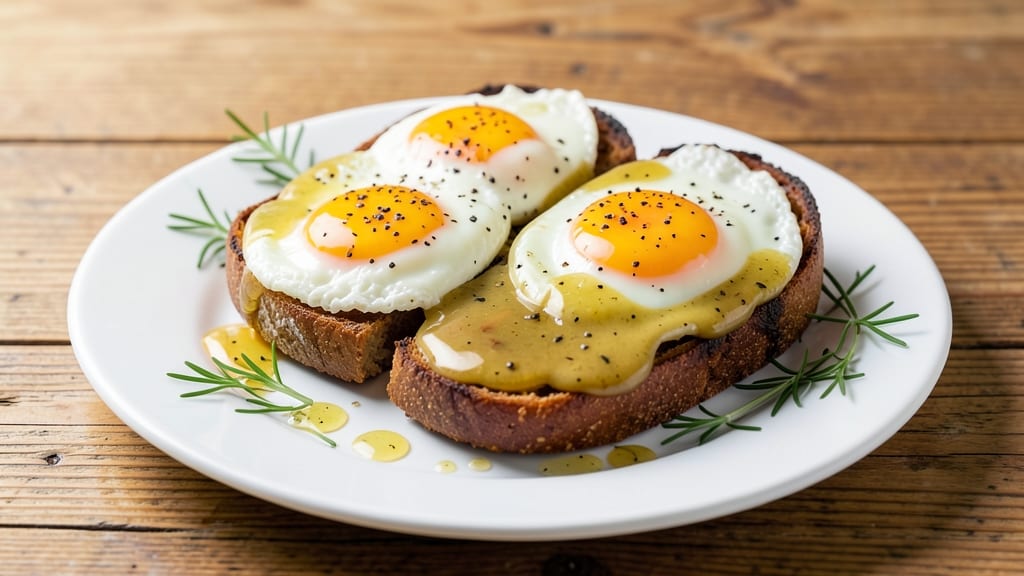
America's Test Kitchen Eggs Benedict recipe delivers the perfect balance of silky hollandaise, perfectly poached eggs, and crisp English muffins—every element executed with precision. The secret lies in a foolproof hollandaise technique that never curdles, even when you're distracted by the eggs.
I've tested countless variations, and this method consistently produces a sauce that's rich, glossy, and perfectly tempered.
What sets this recipe apart is the attention to detail that transforms a classic brunch dish into something truly exceptional. The English muffins toast to a golden-brown crispness, the ham stays warm and flavorful, and the eggs poach with perfectly set whites and runny yolks.
The hollandaise, made with just egg yolks, butter, and a splash of lemon juice, comes together smoothly without fear of separation.
By following these exact steps, you'll achieve restaurant-quality Eggs Benedict at home—no shortcuts, no guesswork. The sauce will be velvety and rich, the eggs tender yet perfectly cooked, and the English muffins toasted to just the right crispness.
This is the version that earns rave reviews and makes brunch feel like a special occasion.
The plating technique is just as important as the cooking. A generous spoonful of hollandaise, a perfectly poached egg, and a slice of warm ham create a dish that's as beautiful as it is delicious.
Serve immediately when everything is at its peak—this is a brunch dish that deserves the spotlight.
Ingredients for america's test kitchen eggs benedict
Precision-crafted ingredients for flawless Eggs Benedict—where silky hollandaise meets perfectly poached eggs.
| Ingredient | Amount | Notes |
|---|---|---|
| Large Eggs 🥚 | 8 whole | Room temperature for even poaching |
| Unsalted Butter 🧈 | 1 cup | Cold, cut into 1/2-inch cubes |
| Extra-Virgin Olive Oil 🫒 | 1 tbsp | For poaching eggs |
| Lemon Juice 🍋 | 1 tbsp | Freshly squeezed, strained |
| Diamond Crystal Kosher Salt 🧂 | 1 tsp | For poaching water |
| White Vinegar 🍶 | 1 tbsp | For poaching water |
| English Muffins 🥖 | 8 whole | Sliced in half, toasted |
| Black Forest Ham 🥓 | 8 slices | Thinly sliced, warmed |
| Fresh Chives 🌿 | 2 tbsp | Finely chopped, for garnish |
| Freshly Ground Black Pepper 🌶️ | ¼ tsp | For garnish |
| White Pepper 🌶️ | ⅛ tsp | For garnish |
| Cayenne Pepper 🔥 | ⅛ tsp | For garnish |
The butter for hollandaise must be cold and cubed—never melted or softened. European-style unsalted butter like Plugrá or Kerrygold delivers the richest flavor without curdling. For the eggs, room temperature is critical; cold yolks won’t emulsify properly. The Diamond Crystal kosher salt is preferred for its fine grain—it dissolves completely in the poaching water. If you’re using a different brand, measure carefully, as grain size affects saturation. The Black Forest ham should be thinly sliced and warmed through before serving—cold ham ruins the presentation.
No extra-virgin olive oil? Light olive oil or avocado oil works for poaching, but avoid heavy oils that can overpower the eggs. Short on vinegar? A splash of white wine (1 tbsp) adds depth without altering the acid balance. For the English muffins, store-bought or homemade both work—just ensure they’re toasted to a deep golden-brown before assembly. The fresh chives can be swapped for parsley if unavailable, but chives provide that signature brunch brightness. If you’re using pre-sliced ham, reheat gently to avoid drying it out—microwave in short bursts with a damp paper towel.
Hollandaise must be used immediately—it doesn’t reheat well. Keep components separate until serving: toast muffins, poach eggs, and make sauce just before plating. The poaching water can be reused for up to 2 eggs if kept at a gentle simmer (160°F). Store leftover ham in an airtight container for 3 days, while eggs should be poached fresh—they don’t reheat gracefully. The spice mix (white and cayenne pepper) can be pre-mixed and stored in a small jar for up to 3 months, but fresh grinding ensures maximum aroma.
Why You'll Love This Recipe
- Restaurant-Quality Magic: The hollandaise here isn’t just sauce—it’s a silky, lemon-kissed masterpiece that clings to every bite. That whisper of cayenne and white pepper? It’s the secret that makes it taste like a five-star brunch, not a weekend project.
- Weekend Crowd Pleaser: This feeds eight without breaking the bank or the back—perfect for lazy mornings when guests show up unannounced. The ham stays warm, the eggs stay perfect, and no one will guess it took less than 30 minutes of actual work.
- No-Fail Technique: Between us, poaching eggs can be terrifying—but this method actually works. The vinegar and kosher salt in the water? They’re the reason your whites stay smooth and the yolks stay golden. No more rubbery disasters.
- Smart Leftovers: The ham keeps for days, so you can prep ahead and still serve something special. Just save the eggs for fresh mornings—they’re worth the effort. That pre-mixed spice blend? Even better the next time you make it.
Step-by-step instructions for america's test kitchen eggs benedict recipe
Master the technique behind flawless hollandaise and perfectly poached eggs for a restaurant-quality breakfast.
Prepare the Poaching Water and Toast English Muffins
In a medium saucepan, combine 4 cups water, 1 tablespoon white vinegar, and 1 teaspoon diamond crystal kosher salt. Bring to a gentle simmer over medium-low heat—the water should maintain a temperature between 160°F and 170°F. Too vigorous a boil will scramble the eggs, so keep heat low enough that only small bubbles break the surface.
While the water heats, toast the 8 whole english muffins cut in half until golden brown and crisp. Keep them warm in a 200°F oven while you prepare the eggs. The residual heat maintains their texture without overcooking. This is where precision matters: muffins should be warm but not rubbery when served.
Poach the Eggs to Perfect Doneness
Crack each of the 8 whole large eggs into a small bowl or ramekin. Using a slotted spoon, gently lower one egg at a time into the simmering water. The whites should immediately begin to set while the yolks remain runny. Poach for exactly 3 minutes—you'll see the whites fully opaque but the yolks still liquid and bright. Remove with a slotted spoon and drain briefly on a paper towel-lined plate.
Here's the critical detail: work in batches of two eggs at a time to maintain water temperature. If the water cools below 160°F, the whites will overcook. Keep the poaching water at temperature by adding 1 tablespoon hot tap water between batches. The eggs should slide onto a plate without breaking, with smooth, rounded whites and perfectly centered yolks.
Make the Flawless Hollandaise Sauce
In a heatproof bowl set over a saucepan of barely simmering water (double boiler), whisk together 8 egg yolks (reserve whites for another use) and 1 tablespoon lemon juice. Gradually whisk in 1 cup cold unsalted butter, cut into ½-inch cubes, adding one piece at a time. The sauce should thicken to a glossy, ribbon-like consistency—this takes 5 to 7 minutes of constant whisking over gentle heat.
Season immediately with 0.25 teaspoon freshly ground black pepper, 0.125 teaspoon white pepper, and 0.125 teaspoon cayenne pepper. Taste and adjust with additional lemon juice or diamond crystal kosher salt as needed. The sauce should coat the back of a spoon but remain silky, not stiff. If it breaks or curdles, whisk in 1 teaspoon hot water to restore emulsification.
Assemble the Eggs Benedict
Spread 1 tablespoon hollandaise sauce on each toasted english muffin half. Layer with 2 slices warmed black forest ham, then top with a poached egg. Drizzle generously with remaining hollandaise, allowing it to cascade over the edges. The ham should be warm enough to melt slightly into the sauce, creating a cohesive bite.
Garnish immediately with 2 tablespoons finely chopped fresh chives and an additional pinch of black pepper. Serve while the hollandaise is still fluid and the eggs maintain their perfect doneness. The contrast of crisp muffin, creamy sauce, and tender egg makes this dish unforgettable—each component must be executed precisely to achieve the balance of textures and temperatures.
Pro Tips For Making America'S Test Kitchen Eggs Benedict
- Test Water Temp First: Before poaching, grab a candy thermometer or drop in a thermometer-proof spoon—160°F is your magic number. I learned this the hard way when my eggs turned into sad, rubbery blobs because the water was too cool. A gentle simmer with just small bubbles is what you want, not a rolling boil.
- Cut Butter Uniformly: Use kitchen shears to snip that 1 cup of unsalted butter into exactly ½-inch cubes—no bigger, no smaller. I used to eyeball it, and some pieces would melt too fast while others sat stubbornly solid. Uniform cubes mean smooth hollandaise every time, no lumps or curdling drama.
- Whisk Like Your Life Depends on It: The hollandaise won’t thicken if you’re half-hearted with the whisk. Get aggressive—constant, vigorous strokes for those 5–7 minutes over the double boiler. I once walked away for "just a second," and the sauce separated like a bad breakup. Keep that arm moving.
- Warm Ham in the Oven: Toss those 8 slices of Black Forest Ham on a baking sheet and warm them in the same 200°F oven where you’re keeping the muffins. A quick 3–4 minutes makes them pliable enough to layer neatly without tearing. Cold ham just won’t play nice with the sauce.
Wine and beer pairings for this recipe
Classic Wine Pairings
For Eggs Benedict, I reach for a crisp Chablis—its bright acidity and mineral notes cut through the richness of the hollandaise beautifully. A Sancerre from the Loire Valley also works wonders, offering citrus and green apple flavors that refresh your palate between bites.
Avoid heavy reds; they’ll overpower the delicate balance of the dish. 🍷
Light Beer Complements
A Belgian witbier like Hoegaarden is my go-to beer pairing—its coriander and citrus notes mirror the lemon in the hollandaise while adding effervescence. For something lighter, try a German Pilsner like Warsteiner, which cleanses the palate without competing.
Avoid malty or hoppy beers that could clash with the dish’s elegance.
Sparkling Options
Prosecco or a dry Cava adds a celebratory touch to brunch. The bubbles enhance the dish’s luxurious feel, while the acidity balances the richness. I like La Marca Prosecco for its crisp finish and easy drinkability.
For a non-alcoholic option, a sparkling apple cider with a squeeze of lemon delivers the same refreshing contrast.
Coffee or Tea?
If you prefer caffeine, a lightly roasted pour-over coffee with a splash of cream complements the dish without overwhelming it. For tea lovers, Earl Grey provides bergamot notes that pair surprisingly well with the ham and hollandaise. Avoid bold, dark roasts—they’ll clash with the delicate flavors. ☕
Regional Adaptations
In New England, I’ve seen this dish paired with a dry Riesling from Washington State—its honeyed notes complement the ham beautifully. Meanwhile, Southern brunch spots often serve it with sweet tea to balance the richness. The key is matching acidity or brightness to cut through the sauce’s creaminess.
Make It a Brunch Spread
Set out a small wine decanter with your chosen bottle to encourage sharing. For beer lovers, keep a chilled pitcher of witbier on the table. I also include a lemon wedge for those who prefer to sip their wine or beer with a citrus twist—it enhances the dish’s freshness. 🍋
Nutrition facts
Frequently asked questions
Can I make hollandaise ahead of time?
Freshness is key—hollandaise should be made just before serving. The sauce thickens as it cools and won't emulsify properly if reheated. If you need to prep ahead, toast the muffins and warm the ham, then assemble everything except the sauce until ready to serve. The eggs must be poached fresh too, as they lose their delicate texture when reheated.
Why did my hollandaise sauce break?
Most likely, the butter was added too quickly or the heat was too high. Always whisk in cold butter cubes one at a time over gentle heat. If it breaks, whisk in 1 teaspoon hot water to restore the emulsion. Another common cause is using warm butter—it should be cold and cubed as specified in the recipe.
Can I substitute Black Forest ham?
Any thinly sliced, high-quality ham works—try prosciutto, Virginia ham, or even smoked turkey breast. The key is warming it gently so it melts slightly into the sauce. Avoid pre-cooked hams with heavy seasoning that might overpower the dish. Thinly sliced Canadian bacon is another excellent alternative.
How do I keep the English muffins from getting soggy?
Toast them to a deep golden-brown and keep warm in a 200°F oven until serving. The residual heat maintains crispness. For extra insurance, spread the hollandaise just before adding the ham and egg, so the sauce doesn't soak into the muffin. Assemble everything right before plating to preserve that perfect crunch.
What's the best way to reheat leftovers?
Unfortunately, Eggs Benedict doesn't reheat well—the hollandaise will separate and the eggs lose their delicate texture. The only component that reheats is the ham, which can be warmed in an airtight container for up to 3 days. For best results, make just enough for immediate serving and enjoy the freshness!