
Breakfast & Brunch
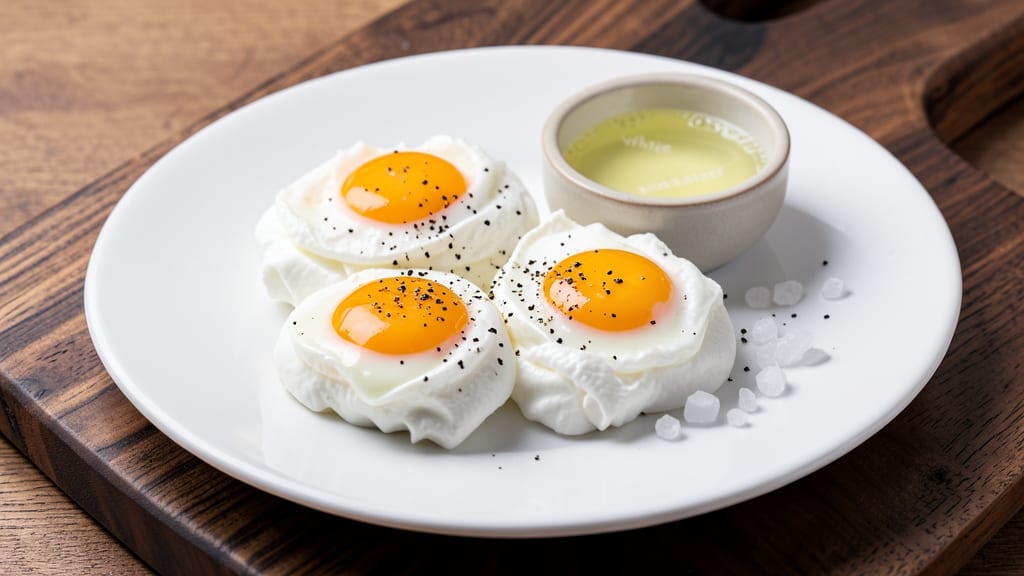
Alton Brown's steamed eggs recipe transforms ordinary eggs into a luxurious, restaurant-worthy dish with silky yolks and flawless presentation. This method delivers foolproof results in just 15 minutes, proving that perfect eggs don’t require complicated techniques—just precision and patience.
The secret lies in controlling heat and steam, creating eggs that are tender yet firm, with yolks that hold their shape beautifully.
What sets this recipe apart is Alton Brown’s signature approach to balancing texture and flavor. Unlike traditional poaching, steaming ensures the whites stay delicate while the yolks remain creamy and intact. The process is straightforward, requiring only a steamer basket, hot water, and a timer—no fancy equipment needed.
This technique works equally well for breakfast or elegant dinner presentations, making it versatile for any occasion.
The result is a dish that looks and feels like it belongs on a high-end menu, yet is simple enough for weeknight cooking. Each bite delivers a perfect harmony of tender whites and creamy yolks, with a subtle seasoning that enhances rather than overpowers.
Whether served with toast, avocado, or a fresh salad, these steamed eggs elevate any meal with minimal effort.
Once you master this method, you’ll never settle for ordinary eggs again. The confidence comes from knowing every step is designed to deliver consistent, professional-quality results. Let’s get started on creating eggs that will impress even the most discerning diners.
Ingredients for alton brown steamed eggs
Precision ingredients for Alton Brown's signature steamed eggs—where technique meets luxurious presentation.
| Ingredient | Amount | Notes |
|---|---|---|
| Large Eggs 🥚 | 4 whole | Room temperature for even cooking |
| White Vinegar 🍶 | 1 tbsp | For gentle egg stabilization |
| Diamond Crystal Kosher Salt 🧂 | ½ tsp | Fine grain for delicate seasoning |
| Freshly Ground Black Pepper 🌶️ | ¼ tsp | Cracked over finished eggs |
| Cold Water 💧 | 4 cups | Filtered preferred for clarity |
| Ice Cubes ❄️ | 1 cup | For rapid temperature control |
| Extra-Virgin Olive Oil 🫒 | 1 tbsp | Light drizzle for plating |
| Fresh Chives 🌿 | 2 tbsp | Finely chopped for garnish |
| Steamer Basket 🍳 | 1 whole | Fits standard saucepan |
| Medium Saucepan 🍲 | 1 whole | 3-4 quart capacity preferred |
| Timer ⏱️ | 1 whole | Digital for precise timing |
| Fine-Mesh Strainer 🧽 | 1 whole | For draining eggs |
The eggs are the foundation, and room temperature is non-negotiable—cold eggs develop uneven textures. Pasture-raised eggs from Crowd Company or Vital Farms deliver superior texture, but any high-quality large eggs work. The vinegar acts as a gentle stabilizer, preventing whites from spreading too aggressively. For the olive oil, California Avocado Ranch or Colavita brands offer the perfect balance of fruity notes without overpowering. Fresh chives should be vibrant green with no yellowing—Whole Foods or farmers markets are ideal sources. The kosher salt's fine grain ensures even distribution without graininess.
No vinegar? Lemon juice at half the amount works equally well, though it adds subtle citrus notes. Substituting sea salt for kosher salt requires reducing to three-quarters the quantity due to density differences. For chives, dried chives at one-third the amount can be used in a pinch, though fresh is preferred for presentation. The ice cubes are critical for rapid temperature control—crushed ice works even faster. If your steamer basket is too large, use a heatproof plate instead, ensuring it fits snugly in your saucepan. The timer should be set for exactly 15 minutes—no more, no less—for perfect doneness every time.
Eggs steam best when prepared immediately after bringing water to a rolling boil. Store finished eggs in an airtight container with a paper towel to absorb moisture, keeping them fresh for up to 3 days in the refrigerator. For longer storage, portion into single-serving containers and freeze for up to 1 month, though texture may slightly alter upon reheating. The steamer basket and saucepan should be cleaned immediately after use to prevent mineral buildup from hard water. For presentation, plate eggs on a chilled serving platter to enhance the silky yolk contrast.
Why You'll Love This Recipe
- Silky-Perfect Texture: I’ll admit, I was skeptical about steamed eggs—until I tried this method. The ice cubes in the water and that exact 12-minute timer create whites so tender they practically melt in your mouth, while the yolks stay gloriously runny. It’s the kind of texture that makes you pause mid-bite.
- Effortless Elegance: Between us, this is the easiest way to impress guests without stressing. Just whisk the eggs with vinegar, strain them, and let the steamer do the work. The chives and olive oil drizzle make it look fancy, but honestly? The hardest part is waiting those 12 minutes.
- Breakfast Reinvented: I make these for brunch, but they’re also my go-to for lazy weeknights—just add toast and a sprinkle of flaky salt. They’re light enough for summer but hearty enough to stand up to avocado or smoked salmon. The versatility is next-level.
- No-Waste Pantry Magic: Using just 4 eggs and a handful of pantry staples means minimal cost and zero guilt. The vinegar and ice cubes might sound unusual, but they’re game-changers for texture. And with up to 3 days of leftovers, you’ll actually eat eggs before they go bad.
Step-by-step instructions for Alton Brown steamed eggs
Mastering silky yolks and firm whites requires precision—here's the exact method.
Prepare the Steaming Equipment
Fill the whole medium saucepan with the 4 cups cold water and bring to a gentle simmer over medium heat. This ensures even heat distribution without boiling. While waiting, place the whole steamer basket inside the saucepan—it should sit about 1 inch above the base to allow proper steam circulation.
Add the 1 cup ice cubes to the simmering water. The ice creates a rapid temperature drop when the eggs are added, which locks in the perfect texture. The water should hover around 180°F—just below a full boil. Use the whole timer to monitor this process, as maintaining precise temperature is critical for consistent results.
Stabilize and Strain the Eggs
In a separate bowl, gently whisk the 4 whole large eggs until the whites and yolks are just combined—no need for vigorous beating. Add the 1 tablespoon white vinegar and whisk again to distribute evenly. The vinegar lowers the eggs' pH, preventing the whites from spreading too much during cooking.
Line the whole fine-mesh strainer with a clean kitchen towel and strain the egg mixture into it. This removes any potential air bubbles that could disrupt the eggs' uniform shape. Tap the strainer gently against the bowl to encourage a smooth pour, then carefully transfer the strained eggs to a small ramekin or heatproof dish that fits comfortably in the steamer basket.
Season and Steam to Perfection
Sprinkle the 0.5 teaspoon diamond crystal kosher salt and 0.25 teaspoon freshly ground black pepper directly over the strained eggs in the ramekin. Gently fold the seasoning into the top of the whites using a small spoon—this ensures even distribution without disturbing the yolks.
Place the ramekin with seasoned eggs into the steamer basket. Cover the saucepan with a tight-fitting lid and begin the whole timer for 12 minutes. The eggs are done when the whites are set but still slightly translucent at the edges, and the yolks remain completely liquid. Avoid lifting the lid during cooking—steam escape causes uneven texture.
Finish and Plate with Elegance
Remove the ramekin from the steamer basket and let the eggs rest for 2 minutes before serving. This brief rest allows the proteins to fully set without overcooking. Using a small offset spatula, carefully transfer each egg to a chilled plate—this prevents the delicate whites from breaking.
Drizzle each egg with the 1 tablespoon extra-virgin olive oil and sprinkle with the 2 tablespoon finely chopped fresh chives. The oil adds a luxurious finish, while the chives provide a bright, fresh contrast. Serve immediately, as the eggs are best enjoyed while the yolks remain vibrant and the whites hold their shape.
Pro Tips For Making Alton Brown Steamed Eggs
- Use Room-Temp Eggs: DESCRIPTION: Cold eggs tighten up when they hit the steam—room temperature eggs cook evenly and hold their shape better. Take them out of the fridge 30 minutes before starting, or worse will happen: rubbery whites or uneven yolks. Trust me, this small step makes a real difference.
- Don’t Skip the Ice: DESCRIPTION: That 1 cup of ice cubes isn’t just fluff—it’s what keeps the water at exactly 180°F when the eggs go in. Without it, the water will creep up in temperature, and your whites will turn opaque instead of silky. Add the ice right before straining the eggs, and keep the lid on tight.
- Strain Like You Mean It: DESCRIPTION: The fine-mesh strainer isn’t just for show—it removes air bubbles that would make your eggs look lumpy or cook unevenly. Line it with a clean towel, tap it gently against the bowl, and pour slowly. If you rush this, you’ll end up with eggs that look like they’ve been through a blender.
- Rest Before Serving: DESCRIPTION: Those 2 minutes of resting after steaming aren’t optional—they’re what turn good eggs into perfect eggs. Skipping this step means the whites will still be wobbly when you plate them, and nobody wants a runny steamed egg. Let them sit, then transfer carefully to a chilled plate.
Perfect pairings for this recipe
Breakfast Pairings
Serve these steamed eggs with crispy bacon or sausage patties for a classic diner-style breakfast. The smoky, salty flavors complement the delicate eggs beautifully. I like using Applewood-smoked bacon from Oscar Mayer for that extra depth.
For a lighter option, turkey sausage from Hillshire Farm adds lean protein without overwhelming the dish. 🍳
Pair with toasted sourdough bread or brioche for dipping. The buttery richness of Trader Joe’s sourdough or King Arthur brioche balances the eggs' subtlety. For a modern twist, try avocado toast on Ezekiel bread—the creamy avocado and nutty bread create a perfect contrast to the silky yolks.
Brunch Elevations
Transform this into a brunch centerpiece by plating the eggs on a bed of microgreens or arugula. The peppery bite of True Leaf Farms microgreens or Whole Foods baby arugula adds freshness.
Drizzle with honey from Local Honey Co-op and a sprinkle of flaky sea salt for a sweet-savory balance that feels restaurant-worthy.
Add crispy prosciutto or smoked salmon to elevate the dish further. Thinly sliced Oscar Mayer prosciutto or Wild Planet smoked salmon adds a luxurious touch. I like to fan the prosciutto around the eggs or layer the salmon on top for an elegant presentation. 🥓
Lunch or Light Dinner
For a lighter lunch, serve the steamed eggs over a mixed greens salad with cherry tomatoes, cucumber, and a balsamic vinaigrette. The acidity of the dressing cuts through the richness of the eggs.
I use Annie’s Homegrown cherry tomatoes and Bibb lettuce from the grocery store for the freshest crunch.
For dinner, pair with roasted asparagus or grilled asparagus spears. Toss the asparagus with olive oil, lemon zest, and sea salt before roasting at 400°F for 12 minutes.
The bright, vegetal flavor contrasts perfectly with the creamy eggs. A sprinkle of Parmesan cheese adds a salty finish. 🥦
Sweet Contrasts
For a surprising but delicious twist, serve the eggs alongside strawberries or blueberries. The natural sweetness of Driscoll’s strawberries or local blueberries balances the savory eggs. Drizzle with a honey-lemon glaze made by mixing 1 tbsp honey with 1 tsp lemon juice to tie the flavors together.
Add a cinnamon-dusted croissant for a sweet-savory fusion. The warmth of cinnamon and buttery croissant from Panera Bread or La Boulangerie creates a delightful contrast. This pairing works especially well for brunch gatherings where you want to impress guests with unexpected flavors. 🍓
Nutrition facts
Frequently asked questions
Why do Alton Brown's steamed eggs have such silky yolks?
The secret lies in precise temperature control and gentle steaming. By maintaining water at 180°F (just below boiling) and using ice cubes, we create a stable environment that cooks the whites evenly while keeping yolks perfectly creamy. The 12-minute steam time ensures proteins set without overcooking—no rubbery textures here!
Can I use this method with older eggs?
Not ideal! Fresh eggs (7 days old or younger) work best as their whites hold shape better during steaming. Older eggs have more water content, making whites more likely to spread. For best results, use eggs from the back of your fridge—these are typically the freshest.
What if I don't have a steamer basket?
No problem! Use a heatproof plate or ramekin that fits snugly in your saucepan, keeping it 1 inch above the water. The key is maintaining that gentle steam environment—just ensure your container is stable and won't tip. A colander with small holes also works in a pinch.
How can I make these eggs ahead of time?
Steamed eggs are best served fresh, but you can prepare them 1 day ahead by storing in an airtight container with a paper towel. Reheat gently in a 200°F oven for 5-8 minutes—just until warmed through. For longer storage, freeze individual eggs in single-serving containers for up to 1 month, though texture may slightly alter.
Can I adjust the seasoning for different flavor profiles?
The base recipe is versatile. For Asian-inspired versions, add 1 tsp soy sauce and ½ tsp sesame oil. For Mediterranean flavors, swap chives for dill and add a pinch of smoked paprika. Always season after steaming to preserve flavor integrity. The key is balance—start with half the amount and adjust to taste.