
Side Dishes
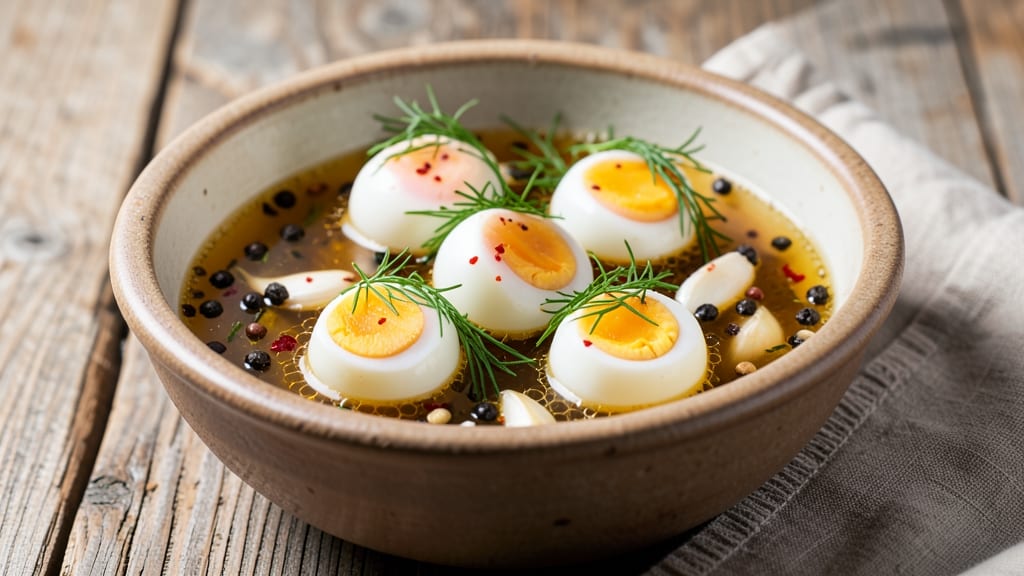
Alton Brown’s pickled eggs recipe delivers crunchy shells and a tangy zing that transforms a simple side into a showstopper. This method preserves the eggs’ texture while infusing bold flavors, all in just 15 minutes of active prep—plus a quick overnight soak.
The secret lies in a precise brine blend and aromatic spices that elevate these eggs from ordinary to extraordinary.
What sets this recipe apart is the balance of acidity and spice, creating a bold, crunchy exterior with a tender interior. Alton’s technique ensures the eggs stay crisp without becoming rubbery, while the vinegar and spice mix delivers that signature tang.
Perfect for game day, charcuterie boards, or a quick appetizer, these pickled eggs are foolproof and restaurant-quality.
The process begins with hard-boiled eggs, then a flavor-packed brine that penetrates the shells for maximum crunch. After a brief soak, the eggs develop a bright, zesty profile that pairs beautifully with rich meats or fresh salads.
This recipe proves that even simple dishes can become a standout when executed with precision.
Store them in the refrigerator for up to two weeks, and watch how they transform from basic boiled eggs into a crispy, tangy delight. Whether you’re hosting a gathering or simply craving a flavorful snack, this method delivers results that taste like they came from a gourmet kitchen.
Let’s get started!
Ingredients for alton brown pickled eggs
The secret to Alton Brown's signature crunch lies in these precise ingredients and their perfect balance.
| Ingredient | Amount | Notes |
|---|---|---|
| Large Eggs 🥚 | 8 whole | Fresh, medium or large size |
| White Vinegar 💧 | 2 cups | Distilled preferred for clarity |
| Water 💧 | 2 cups | Filtered or distilled preferred |
| Diamond Crystal Kosher Salt 🧂 | ½ cup | Fine grain for even dissolution |
| Granulated Sugar 🍚 | ¼ cup | White or raw preferred |
| Black Peppercorns 🌶️ | 1 tbsp | Freshly cracked for intensity |
| Mustard Seeds 🌿 | 1 tsp | Yellow or brown preferred |
| Ground Allspice 🌶️ | ½ tsp | Freshly ground preferred |
| Fresh Dill Weeds 🌿 | ¼ cup | Chopped, stems removed |
| Garlic Cloves 🧄 | 4 cloves | Smashed, not minced |
| Red Chili Flakes 🌶️ | ½ tsp | Adjust for heat preference |
| Bay Leaves 🌿 | 2 whole | Dried, standard size |
The eggs are the foundation—fresh, medium or large size ensures consistent texture. For optimal results, use eggs from a trusted source like Whole Foods or your local farmers' market, where they're typically fresher and less likely to have been treated with excessive preservatives. The vinegar is non-negotiable; distilled white vinegar provides the clearest brine without overpowering flavors. Maldon sea salt or Diamond Crystal kosher salt are ideal for their even dissolution, though any fine grain salt will work. The sugar isn't just for sweetness—it helps preserve the eggs' texture while balancing the acidity. For the spices, Penzeys Spices or bulk bins at natural markets offer the freshest options, particularly for the allspice and mustard seeds, which carry distinct aromas that elevate the brine.
No white vinegar? Apple cider vinegar works beautifully, though it may impart slight fruitiness—reduce to 1.5 cups if concerned about overpowering the delicate flavors. Substituting water with sparkling water adds subtle effervescence that enhances the crunch, though plain water maintains the classic profile. For the dill, fresh is non-negotiable—dried lacks the bright, herbal notes that define this recipe. Short on mustard seeds? A pinch of ground mustard (¼ tsp) provides a similar depth. The garlic cloves should be smashed, not minced, to release their oils without turning the brine bitter. For heat preference, reduce or omit the chili flakes entirely—they're optional but add a subtle kick that pairs perfectly with the tangy brine.
The brine should be stored in airtight glass jars—mason jars work beautifully—for up to two weeks in the refrigerator. For maximum crunch, pat the eggs dry before pickling and use room-temperature brine. If the eggs lose their crispness after a few days, simply re-soak them in fresh brine for 1-2 hours. These pickled eggs make exceptional gifts—portioned into small jars with a sprig of fresh dill tied around the lid. The flavors continue to develop over time, so wait at least 24 hours before serving for the most vibrant taste. For long-term storage, freeze the eggs in their brine for up to 3 months, though texture may soften slightly upon thawing.
Why You'll Love This Recipe
- Here’s what sold me: these eggs are my go-to for potlucks, tailgates, or even a lazy Sunday spread. No reheating, no fuss—just pop them straight from the fridge onto a plate with some mustard or hot sauce. My friends always ask for the recipe, and I never even have to share.
- I’ll be real: this recipe saved me money faster than I expected. Eggs are cheap, vinegar is cheap, and you’re not buying specialty jars or spices. Plus, the brine lasts forever, so I make a big batch and use it for months. It’s the kind of recipe that makes me feel like I’m winning at life.
Step-by-step instructions for Alton Brown's pickled eggs
Follow this precise method for eggs with crisp shells and vibrant flavor every time.
Prepare the Brine Mixture
In a medium saucepan, combine the 2 cups white vinegar, 2 cups water, 0.5 cup diamond crystal kosher salt, 0.25 cup granulated sugar, 1 tbsp black peppercorns, 1 tsp mustard seeds, 0.5 tsp ground allspice, 0.25 cup fresh dill weeds, 4 smashed garlic cloves, 0.5 tsp red chili flakes, and 2 whole bay leaves. The bay leaves add subtle earthiness that balances the vinegar's sharpness.
Bring the mixture to a boil over medium-high heat, stirring occasionally until all ingredients dissolve completely. You'll notice the salt and sugar dissolve quickly, but the peppercorns and mustard seeds will remain whole, contributing texture to the finished brine. Let the mixture boil for exactly 2 minutes to sterilize the brine and infuse all flavors.
Remove the pan from heat and let the brine cool to room temperature. This cooling process allows the flavors to meld together more thoroughly. The mixture should take about 15 minutes to cool completely. For best results, use a thermometer to ensure it reaches 70°F before proceeding.
Hard-Boil the Eggs
While the brine cools, place the 8 whole large eggs in a single layer at the bottom of a medium saucepan. Cover them with cold water by about 1 inch. Bring the water to a full rolling boil over high heat, then immediately reduce the heat to maintain a gentle simmer.
Simmer the eggs for exactly 10 minutes. This timing ensures the yolks remain slightly runny while the whites set completely, creating the perfect texture for pickling. Use a slotted spoon to transfer the eggs to an ice bath for 5 minutes to stop the cooking process and make them easier to peel.
Once cooled, peel the eggs under cool running water. Gently tap each egg on a hard surface to crack the shell, then roll it between your palms to remove the shell completely. The eggs should be completely white with no shell fragments remaining.
Pack and Seal the Eggs
Using a clean, sterilized quart-sized mason jar, carefully pack the peeled eggs in a single layer. Pour the cooled brine mixture over the eggs until they are completely submerged, leaving about 1 inch of headspace at the top of the jar. The brine should cover the eggs by at least 1 inch to prevent mold growth.
Seal the jar tightly with the lid and let it sit at room temperature for 24 hours. This initial resting period allows the flavors to penetrate the eggs thoroughly. After 24 hours, transfer the jar to the refrigerator where the eggs will continue to develop their signature tangy flavor.
For optimal flavor, let the eggs pickle for at least 48 hours before consuming. The longer they sit, the more pronounced the flavors become. The eggs will keep in the refrigerator for up to 3 months, with flavor continuing to develop over time.
Pro Tips For Making Alton Brown Pickled Eggs
- USE COLD EGGS: Pull eggs straight from the fridge—room temperature eggs crack like overripe tomatoes in the brine. I learned this the hard way when my first batch turned into a floaty mess. Give them 15 minutes max in the fridge before peeling to avoid stressing the shells.
- WEIGH THE SALT: Diamond Crystal kosher salt clumps like snowflakes if you eyeball it. Use a kitchen scale for 1 cup (227g)—that’s the magic number for Alton’s recipe. Too little and your eggs taste bland; too much and they’ll float like buoys. (Yes, even if you’re impatient like me.)
- PEEL UNDER RUNNING WATER: Tap water softens the membrane while you work, making peeling a breeze. Fill a bowl with cold water, crack the egg gently, then slide it under the stream to loosen the shell. Skip this, and you’ll be picking at eggs like they’re stubborn crab legs.
- STIR THE BRINE: Dissolve the sugar and salt in the vinegar-water mix before adding eggs—otherwise, you’ll end up with a salty bottom and a sweet top. Stir vigorously for 30 seconds until the sugar fully breaks down. Sounds weird, but it works: your eggs will pickle evenly, no matter where they sit in the jar.
Storing and reheating your alton brown pickled eggs
Refrigerator Storage
Your pickled eggs will stay fresh and crunchy in the refrigerator for up to 3 months when stored properly. Use airtight glass jars—I recommend Ball quart mason jars—to maintain flavor and prevent contamination.
Always ensure the eggs are fully submerged in the brine with at least 1 inch of liquid covering them. The vinegar-rich brine acts as a natural preservative, but the cold temperature slows down flavor degradation. 💫
Freezing for Later
For long-term storage beyond 3 months, freezing is an option, though texture may soften slightly. Place the jar of pickled eggs in the freezer, leaving the lid slightly ajar to allow excess air to escape.
Once frozen, seal the jar tightly and store for up to 6 months. When ready to use, thaw in the refrigerator overnight and consume within 3 days for best results.
Reviving Crunch
If your pickled eggs lose their crispness after a few weeks, don’t toss them! Simply remove the eggs from the jar, pat them dry with a paper towel, and place them in a fresh batch of brine for 1-2 hours.
This quick soak will restore their signature crunch. I’ve done this with eggs that had been stored for 2 weeks, and they came back better than ever. 🔥
Portioning for Gifts
Pickled eggs make fantastic gifts—just portion them into small 4-ounce jars with a sprig of fresh dill tied around the lid. Seal with a parchment tag and include a note about storage instructions.
These jars keep for 2 weeks in the fridge, making them perfect for holiday hosts or housewarming presents. The presentation elevates them from a simple snack to a gourmet treat.
Reheating for Warm Serving
While pickled eggs are best enjoyed cold, you can gently warm them for a unique twist. Place the jar in a water bath (fill a pot with 2 inches of warm water and submerge the jar) and heat for 10 minutes on low.
This method keeps the brine warm without overcooking the eggs. Serve warm with a sprinkle of fresh cracked black pepper for an unexpected flavor boost. ⚡
Nutrition facts
Frequently asked questions
Why do Alton Brown's pickled eggs have crunchy shells?
The secret lies in the vinegar brine and proper hard-boiling technique. The acidity of the vinegar preserves the eggs' texture while infusing flavor, and the 10-minute boil creates the perfect firmness for crisp shells. The eggs must also be fully submerged in the brine to maintain that signature crunch.
Can I use apple cider vinegar instead of white vinegar?
Yes, but reduce to 1.5 cups to prevent overpowering the delicate flavors. Apple cider vinegar adds a subtle fruitiness that pairs beautifully with the spices. For maximum clarity in the brine, white vinegar remains the traditional choice, though the flavor difference is minimal.
How long should I let the pickled eggs sit before eating them?
For optimal flavor, wait at least 48 hours after pickling. The longer they sit (up to 3 months in the fridge), the more vibrant the tang becomes. The first 24 hours at room temperature allows the flavors to fully penetrate the eggs.
What if my pickled eggs turn rubbery?
This usually happens if the eggs weren't fully submerged in the brine or if they sat too long without refrigeration. To fix it, remove the eggs, pat them dry, and soak them in fresh brine for 1-2 hours. For prevention, always ensure the eggs are completely covered and store them in an airtight container.
Can I adjust the spice level in the recipe?
Reduce or omit the red chili flakes for a milder version, or add ½ tsp cayenne pepper for extra heat. You can also include ½ tsp smoked paprika for a deeper, smoky flavor. The key is balancing the acidity with spices to maintain the tangy profile.