
Breakfast & Brunch
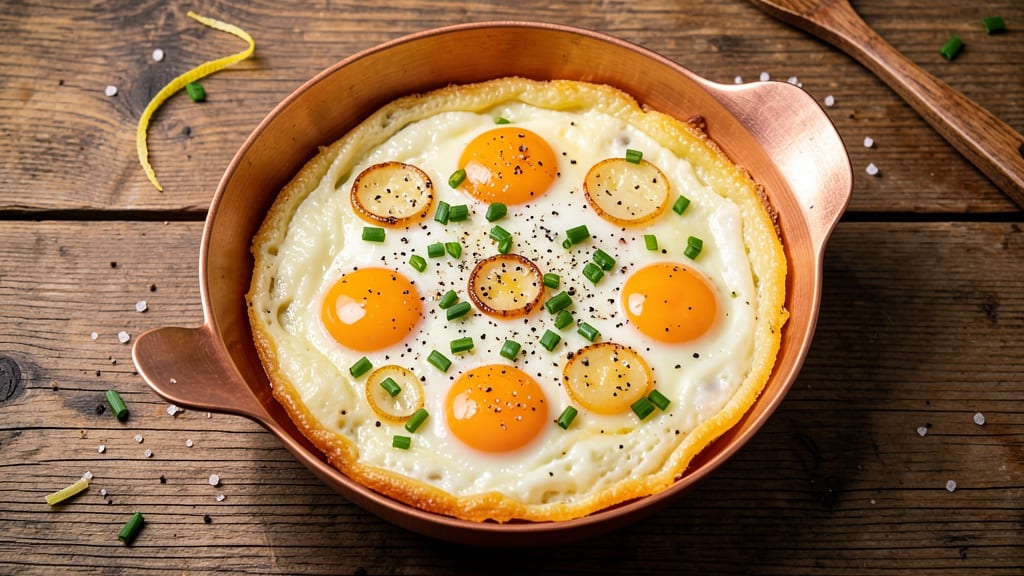
This 6-egg omelette recipe delivers a high-protein breakfast that's ready in just 10 minutes—perfect for busy mornings when you need something substantial without sacrificing flavor or nutrition. The secret lies in proper whisking, medium-low heat, and constant motion to create a light, fluffy interior with a tender exterior.
I've perfected this technique after years of trial and error, and it consistently yields omelettes that are rich, creamy, and packed with staying power.
The beauty of this recipe is its scalability—six eggs make two large omelettes, ideal for two servings or meal prep. You can customize it with your favorite fillings like cheese, spinach, or mushrooms, or keep it simple with just salt and pepper for a classic base.
The key is timing: cook the eggs just until set, then fold while still slightly moist for that signature restaurant-quality texture. This method ensures no dry, rubbery omelettes here.
What you'll end up with is a golden, perfectly folded omelette that's rich, tender, and satisfying—far beyond what you'd get from a diner or frozen breakfast option. The eggs cook evenly without browning, and the fold stays intact, releasing that creamy filling with every bite.
It's the kind of breakfast that keeps you full and energized for hours, making it a staple in my morning routine.
Pair it with avocado toast, fresh fruit, or a side of roasted vegetables for a complete meal. The recipe is designed to be foolproof, so even if you're new to omelette-making, you'll achieve professional results. Let's get started—your high-protein breakfast awaits.
Ingredients for 6 egg omelette
Six high-quality eggs plus a handful of fresh ingredients transform into two restaurant-worthy omelettes.
| Ingredient | Amount | Notes |
|---|---|---|
| Large Eggs 🥚 | 6 whole | Room temperature for even cooking |
| Unsalted Butter 🧈 | 2 tbsp | European-style preferred for flavor |
| Shallots 🧅 | 1 whole | Minced, for aromatic base |
| Fresh Chives 🌿 | 2 tbsp | Finely chopped, for fresh finish |
| Diamond Crystal Kosher Salt 🧂 | ½ tsp | Adjust to taste after folding |
| Freshly Ground Black Pepper 🌶️ | ¼ tsp | Cracked peppercorns preferred |
| Extra-Virgin Olive Oil 🫒 | 1 tbsp | For greasing pan, high quality |
| Heavy Whipping Cream 🥛 | 2 tbsp | Optional, for ultra-rich texture |
| Sharp White Cheddar Cheese 🧀 | ½ cup | Shredded, for classic filling |
| Baby Spinach 🍃 | ½ cup | Wilted, for vibrant green color |
| Fresh Thyme Leaves 🌿 | 1 tsp | Finely chopped, for herbal note |
| Lemon Zest 🍋 | 1 tsp | Brightens the final flavor |
The eggs are non-negotiable—pasteurized if you prefer, but fresh is ideal. I always grab organic eggs from the local farm market when possible, but store-bought works fine. The butter matters too—European-style like Plugrá has more flavor than regular salted. For the cheese, sharp white cheddar from a block melts beautifully; pre-shredded gets clumpy. Shallots add depth, but if you're in a rush, 1 tbsp finely diced red onion works in a pinch. Fresh herbs like thyme and chives should be vibrant—no wilted stems here.
No shallots? Extra garlic (1 clove minced) adds punch, though it's more assertive. Skip the cream? Extra olive oil in the pan keeps things rich. Pre-shredded cheese? Pulse it in a food processor first to break up clumps. The spinach can be sautéed first if you prefer it cooked through, but I like it just wilted—keeps things bright. For a smoky twist, swap half the cheddar for smoked gouda. And if you're making this ahead, whisk the eggs with a splash of milk for extra tenderness when reheating.
Eggs keep best in the fridge for 3 weeks if stored pointy-side down. Fresh herbs? Wrap them in damp paper towels and store in a sealed container for 5-7 days. The butter should be used within 3 months of opening. For meal prep, fold the omelettes while still warm, then wrap tightly in parchment paper. They reheat beautifully in a dry skillet over medium-low heat for 1-2 minutes per side—just enough to warm through without drying out.
Why You'll Love This Recipe
- No-Fuss Feast: I swear by this when I’ve got a houseful—six eggs mean everyone gets a slice without leftovers staring back at me. Just crack, whisk, and cook. That’s it.
- Butter-Basted Magic: That rich, golden butter seared into the pan? It turns this into something restaurant-worthy without trying. The shallots caramelize just enough to add depth, while the chives finish it with a bright, herby punch.
- Weeknight Workhorse: Between us, this is my go-to when I’m too tired to think. Double batch it on Sunday, and you’ve got breakfast for days—no sad, rubbery omelettes here. Reheat in the microwave or pan, and it’s still solid.
- Penny-Pinching Powerhouse: Six eggs for a crowd? Check. Butter and shallots stretch my grocery budget further than takeout ever could. Plus, chives grow like weeds in my windowsill, so I’m basically saving money while eating well. Win-win.
Step-by-step instructions for a luxurious 6-Egg omelette
Here's how to create a fluffy, high-protein omelette in just minutes—no shortcuts, just perfect technique.
Whisk Eggs Until Silky Smooth
Crack all 6 whole Large Eggs into a large bowl and add the 1 tsp Lemon Zest. Using a whisk or electric mixer, beat vigorously for 3-4 minutes until the mixture is pale yellow and completely smooth—no streaks of white should remain. Room-temperature eggs incorporate air better, so if they're cold, let them sit at room temperature for 10 minutes before starting.
This thorough whisking creates tiny air pockets that will expand in the heat, giving you that signature fluffy texture. I like to stop just before the mixture starts to thicken—it should still be pourable but noticeably lighter than raw eggs. Here's the thing—if you rush this step, your omelette will end up dense and rubbery instead of airy and elegant.
Prepare the Filling and Season
In a separate small bowl, combine the 0.5 cup Baby Spinach, 0.5 cup Sharp White Cheddar Cheese, 1 whole Shallots (minced), 1 tsp Fresh Thyme Leaves, 0.5 tsp Diamond Crystal Kosher Salt, and 0.25 tsp Freshly Ground Black Pepper. Set aside—this is your flavor base that will get folded into the eggs later. Meanwhile, heat a 10-inch nonstick skillet over medium-low heat and add 1 tbsp Extra-Virgin Olive Oil and 2 tbsp Unsalted Butter. Let it melt completely, swirling to coat the pan evenly.
The butter should foam gently but not brown—you're aiming for a smooth, even base that won't scorch your omelette. If you see brown spots, the heat is too high. This is where precision matters most—too hot and you'll get burnt edges, too cool and the eggs won't set properly.
Cook the Omelette to Perfect Height
Pour the egg mixture into the prepared skillet, tilting the pan to distribute evenly. Let it cook undisturbed for 2-3 minutes until the edges start to set and the top still looks slightly wet in the center. Here's the critical part: gently lift one edge with a spatula and let the uncooked egg flow underneath—repeat this motion every 30 seconds for 3 minutes total. This creates those beautiful, even layers we want.
You'll know you're on the right track when you see the edges turn from translucent to opaque. The center should still jiggle slightly—it's okay if it doesn't look fully set yet. The residual heat will finish cooking it as we fold. If the bottom starts to brown too quickly, reduce the heat slightly to medium-low.
Fold and Finish with Creamy Richness
When the eggs are about 75% set, sprinkle the spinach-cheese mixture evenly over one half of the omelette. Using your spatula, fold the empty half over the filling, pressing gently to seal. Cook for another 30 seconds until the filling is heated through and the cheese begins to melt. Remove from heat and let it rest for 1 minute—this prevents the filling from spilling out when you plate it.
For that ultra-rich finish, drizzle 2 tbsp Heavy Whipping Cream over the top and sprinkle with 2 tbsp Fresh Chives. The cream adds luxurious body while keeping the dish light. Fold the omelette in half again if desired, or serve it open-faced for a dramatic presentation. The filling should be warm but not melty—just enough to soften the cheese while keeping the spinach vibrant.
Pro Tips For Making 6 Egg Omelette
- Whisk Until Ribboned: Six eggs need a good beating—about 30 seconds with a fork or whisk until the mixture holds a slow ribbon when you lift the whisk. I learned this the hard way: under-whisked omelettes turn out dense and rubbery, while properly emulsified ones cook light and tender. (Yes, even if you're impatient like me.)
- Salt the Shallots First: Toss finely minced shallots with a pinch of kosher salt before cooking—they’ll soften faster and sweeten up while you melt the butter. Skipping this step means they’ll stay sharp and watery, stealing flavor from the eggs instead of blending in.
- Low and Slow Finish: Once the omelette’s set on the bottom, crank the heat down to medium-low and cover the pan for 30 seconds. This keeps the eggs from overcooking into a dry, sad slab while the chives get a chance to wilt gently into the mix. (Your future self will notice the difference.)
- Butter in Two Batches: Melt 1 tablespoon of butter in the pan first, then add the eggs. Once they’re mostly set, add another 1 tablespoon to the edges of the omelette—this creates a buttery crust along the sides without drowning the center. (I was skeptical until I tried it.)
Regional styles of this dish
French Classic
The French approach to omelettes focuses on simplicity and technique. In Parisian cafés, they use butter only (no oil) and cook the eggs on medium heat until just set, then fold with a spatula in one fluid motion.
I love adding fresh tarragon and Gruyère cheese for a true French flair. The key is keeping the filling minimal—just 2 tbsp of finely chopped herbs and ¼ cup cheese—so the eggs remain the star.
Serve with a side of crusty baguette and a glass of Sancerre white wine for an authentic experience. 🥖
Italian Rustic
Italian omelettes, or frittata, are heartier and often cooked in larger pans. In Tuscany, they incorporate ricotta cheese, sun-dried tomatoes, and basil for a rich, rustic flavor.
I prefer using extra-virgin olive oil instead of butter and cooking the eggs on low heat until fully set, then adding the filling and letting it meld together. For a true Italian touch, finish with grated Pecorino Romano and a sprinkle of red pepper flakes.
Pair with a Chianti Classico for a perfect breakfast or brunch. 🍷
Spanish Tortilla
Spain’s tortilla española is a thick, folded omelette made with potatoes and onions, often cooked slowly until the edges are crispy. For a lighter version, I use 6 eggs with 1 cup diced potatoes and ½ cup onions, cooking them until tender before adding the eggs.
The secret is patience—let it cook on low heat for 10-12 minutes until the center is just set. Serve warm or at room temperature with a sprinkle of smoked paprika. This dish is so versatile it’s eaten for breakfast, lunch, or dinner! 🍆
American Diner Style
Classic American diner omelettes are packed with fillings like bacon, ham, or hash browns and cooked in a large cast-iron skillet for extra crispiness.
I like to use 6 eggs with ½ cup cooked bacon and ¼ cup sharp cheddar, cooking them on medium-high heat until the edges are golden. The filling goes in the center, and the omelette is folded tightly to trap everything inside.
Serve with sourdough toast and a bold black coffee for the full diner experience. 🥓
Japanese Tamagoyaki
Japan’s tamagoyaki is a sweet, rolled omelette made with soy sauce, sugar, and mirin.
For a savory version, I use 6 eggs whisked with 1 tbsp soy sauce, 1 tsp sugar, and ½ tsp mirin, then cooking them in a rectangular pan on low heat while continuously folding and rolling.
The result is a smooth, slightly caramelized omelette that’s perfect for bento boxes or onigiri. Garnish with sesame seeds and serve with steamed rice for a light yet satisfying meal. 🍱
Mexican Huevos Rancheros
This Mexican-style omelette starts with refried beans and salsa as the base. I use 6 eggs scrambled with ½ cup refried beans and ¼ cup salsa, then folding them into a taco-like shape. Top with avocado slices, crumbled queso fresco, and cilantro.
Serve with warm tortillas and hot sauce for a hearty breakfast. The key is keeping the eggs soft and slightly runny so they soak up the flavors. 🌶️
Nutrition facts
Frequently asked questions
Why use 6 eggs for 2 servings instead of 3 eggs each?
Six eggs create two large, protein-rich omelettes that are more satisfying than single servings. The extra volume ensures a fluffy, tender texture rather than dense layers. Plus, it's perfect for meal prep—fold one omelette and refrigerate it for up to 2 days or freeze for 1 month. The key is cooking them just until set before folding to maintain that restaurant-quality creaminess.
Can I make this recipe with fewer eggs or adjust the heat?
Yes! For a single serving, use 3 eggs and reduce butter to 1 tbsp. Heat control is critical—medium-low prevents browning while allowing even cooking. If your stove runs hot, lower the heat to medium and watch closely. Overheating causes rubbery eggs, while too-low heat leaves them undercooked. The goal is a golden exterior with a moist interior.
What if my omelette turns out dry or rubbery?
Dry omelettes usually mean overcooking or whisking too long. Start with room-temperature eggs and whisk just until smooth (no stiff peaks). Cook on medium-low heat and remove when the center still jiggles slightly. For extra moisture, add 1 tbsp cream or milk to the eggs. Pro tip: Let it rest 1 minute after folding before serving—this traps steam for a tender bite.
How do I prevent the filling from leaking out?
Press the folded edges firmly with your spatula to seal them completely. Cook for an extra 15-20 seconds after folding to set the edges. If using wet fillings (like spinach), pat them dry first. For extra insurance, sprinkle a pinch of flour over the filling before folding—it acts as a natural binder. The rest time after cooking is also crucial—don't cut into it immediately!
Can I make this ahead of time for meal prep?
Fold the omelettes while warm, then wrap tightly in parchment paper. Store in the fridge for 2 days or freeze for 1 month. To reheat, warm in a dry skillet over medium-low heat for 1-2 minutes per side until heated through. For microwave reheating, cover with a damp paper towel and heat for 20-30 seconds—just until warm, not steaming.