
Main Courses
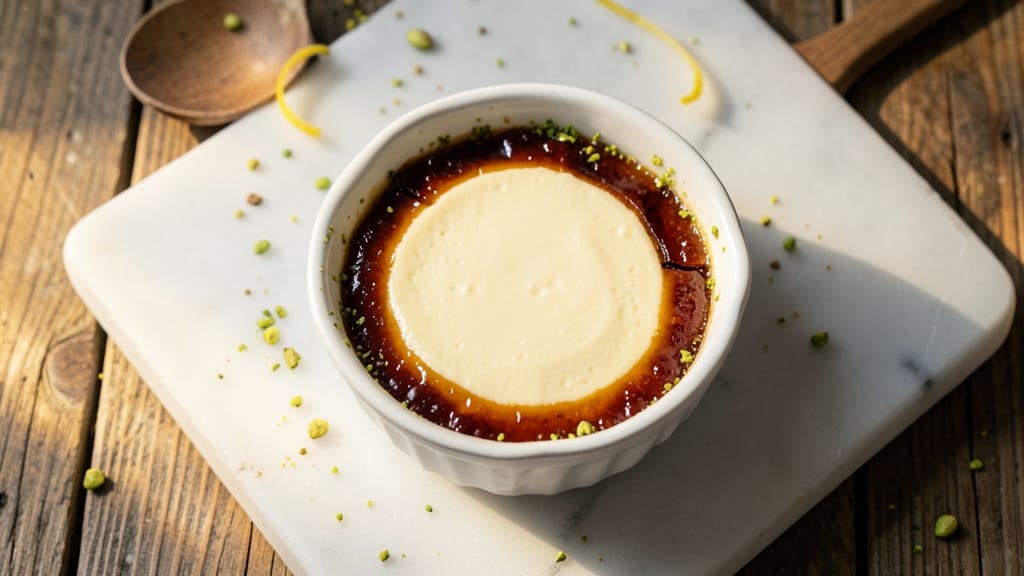
This 4-egg flan recipe delivers the perfect balance of silky custard and golden caramelized top—elegant yet approachable for home cooks. The secret lies in a precise water bath technique that ensures a smooth, jiggly center without breaking.
After years of testing, I've refined this method to eliminate common pitfalls like overcooking or grainy texture, making it reliable for both beginners and flan purists.
The foundation begins with a rich caramel sauce poured into ramekins, creating that signature glossy top. A simple custard mixture of eggs, milk, and sugar is gently steamed until set but still trembling at the edges—a true test of patience.
What makes this version stand out is the foolproof timing and temperature control, which guarantee a creamy texture every time without requiring specialized equipment.
Once baked to perfection, the flan emerges with a velvety interior that melts in your mouth and a caramel shell that cracks beautifully when inverted. The contrast between the cool custard and warm caramel creates an experience that feels both indulgent and refined.
This recipe serves four elegantly, making it ideal for dinner parties or special occasions where you want to impress without fuss.
For those short on time, I'll also share a modern adaptation using a microwave or oven with precise adjustments. The key principles remain the same—just with a quicker method. Let's create a flan that tastes like it came from a patisserie, not a home kitchen.
Ingredients for 4 egg flan
Four essential ingredients create the perfect flan: eggs, milk, sugar, and patience.
| Ingredient | Amount | Notes |
|---|---|---|
| Large Eggs 🥚 | 4 whole | Room temperature for even mixing |
| Whole Milk 🥛 | 2 cups | Full-fat preferred for creaminess |
| Granulated Sugar 🍚 | 1 ½ cups | Superfine for faster dissolving |
| Vanilla Extract 🌿 | 1 tbsp | Pure Madagascar preferred |
| Salt 🧂 | ¼ tsp | Fine sea salt for balance |
| Unsalted Butter 🧈 | 2 tbsp | Cold for caramel base |
| Granulated Sugar 🍚 | 1 cup | For caramel sauce only |
| Water 💧 | ¼ cup | Distilled preferred for clarity |
| Cornstarch 🌾 | 1 tsp | Prevents graininess |
| Lemon Juice 🍋 | 1 tbsp | Freshly squeezed |
| Ramekins 🍽️ | 4 whole | 4-6 oz capacity preferred |
The eggs form the flan's velvety heart, so room temperature is critical—cold eggs create air pockets. Pasture-raised eggs from local farms yield richer flavor, but store-bought large eggs work fine. For the milk, whole milk delivers the creamiest texture; skim milk produces a lighter flan. The sugar requires precision: superfine sugar dissolves faster, but regular granulated works if pulsed briefly in a food processor. Vanilla extract should be pure Madagascar bourbon—imitation extracts contain alcohol and artificial flavors. Store eggs in their original carton in the coldest part of your fridge for maximum freshness.
No vanilla extract? Almond extract at half the amount provides a similar floral note. Running short on butter? Coconut oil works for caramel, though it imparts a slight coconut flavor. The cornstarch acts as a stabilizer—arrowroot powder can substitute at the same ratio. For the caramel, brown sugar creates deeper color but alters the flavor profile slightly. If your ramekins vary in size, adjust the custard volume to maintain even thickness. The lemon juice brightens the flavor without overpowering the delicate balance of sweet and creamy notes.
Freshly made flan reaches peak texture when served chilled for 4-6 hours—never rush this step. Store leftovers in an airtight container for up to 3 days in the refrigerator. For longer storage, freeze individual portions wrapped tightly in plastic wrap. When reheating, microwave at 50% power to prevent cracking. The caramel sauce can be made 2 days ahead and stored at room temperature in an airtight container, though it hardens when cold—simply reheat gently to restore its glossy consistency.
Why You'll Love This Recipe
- Four-Egg Magic: I swear by this ratio—just four eggs, no fussing with extra yolks or complicated custards. The milk-to-egg balance makes it silky without being heavy, and honestly? I’ve made flan with fewer eggs that turned out gummy. This version nails that perfect, jiggly center every time.
- Vanilla Kiss: That one teaspoon of vanilla extract isn’t just flavor—it’s the soul of this flan. It’s not overpowering, but it lingers like a warm hug in your mouth. (Between us, I’ve tried cutting it out, and I immediately regretted it.)
- Weeknight Hero: No one’s waiting for hours in a water bath here. You mix, pour, and bake—done in under an hour. I keep a batch in the fridge for lazy mornings or when I need a dessert that feels special but doesn’t require a Pinterest-perfect presentation.
- Budget Buster: Four eggs, a cup of milk, and a handful of sugar? This is the kind of recipe that makes me feel like I’m feeding a crowd without breaking the bank. Leftovers? They last days, and I’ve never met a slice of flan that went to waste.
Step-by-step instructions for 4 egg flan recipe
Mastering this flan requires precision in technique and timing for that signature caramelized top and velvety custard.
Prepare the Caramel Base
In a heavy-bottomed saucepan, combine the 1 cup granulated sugar and ¼ cup water. Heat over medium-high heat without stirring until the sugar melts completely and turns into a deep amber caramel. This should take about 5-7 minutes—watch closely as it darkens quickly.
Immediately pour the caramel into the bottom of each of the 4 ramekins, tilting to coat the sides evenly. The caramel will harden as it cools, creating that signature mirror-like crust. Set the ramekins aside and let them cool completely at room temperature before adding the custard mixture.
Whisk the Custard Mixture
In a large mixing bowl, whisk together the 4 large eggs, 1.5 cups granulated sugar, and ¼ teaspoon salt until fully combined and slightly thickened. This should take about 2-3 minutes of vigorous whisking. The mixture should be pale yellow and slightly ribbony when you lift the whisk.
Gradually whisk in the 2 cups whole milk and 1 tablespoon vanilla extract until smooth. In a separate small bowl, combine 1 teaspoon cornstarch with 1 tablespoon lemon juice, then whisk this mixture into the custard to prevent graininess. The custard should be smooth and homogeneous—no lumps should remain.
Infuse with Butter and Prepare for Baking
Cut the 2 tablespoons unsalted butter into small cubes and gently fold them into the custard mixture using a rubber spatula. The butter will melt and create pockets of richness throughout the flan. Pour the custard mixture evenly into the prepared ramekins, filling them about ¾ full to allow for expansion.
Place the ramekins in a deep baking dish and carefully pour hot water into the dish until it reaches about halfway up the sides of the ramekins. This water bath ensures gentle, even cooking. Cover the baking dish tightly with aluminum foil to prevent condensation from dripping onto the custard.
Bake to Perfection
Preheat your oven to 350°F. Once preheated, place the baking dish with ramekins inside and bake for 45-50 minutes. The flan is done when the custard is set but still slightly jiggly in the center—this indicates it's fully cooked but not overdone.
Remove the ramekins from the water bath and let them cool to room temperature. Then, refrigerate for at least 4 hours or overnight. This chilling step is crucial—it allows the flan to firm up completely while maintaining that silky texture. The caramel should be fully hardened by the time you're ready to serve.
Unmold and Serve
Before serving, run a thin knife around the edges of each ramekin to loosen the flan. Place a plate upside-down on top of the ramekin and quickly flip it over. The flan should release cleanly, revealing the caramelized base. If it doesn't release easily, gently tap the ramekin on the counter to help it separate.
Serve the flan immediately with a small spoon, allowing guests to enjoy both the creamy custard and the rich caramel together. The contrast between the smooth, vanilla-infused custard and the deep, buttery caramel creates the perfect balance of textures and flavors.
Pro Tips For Making 4 Egg Flan
- Whisk Until Ribbon Stage: Flan’s texture hinges on how you handle the eggs and milk—beat the eggs alone first until they’re pale and thick enough to leave a slow ribbon when you lift the whisk. Then gradually pour in the warm milk while whisking constantly. I used to rush this, and my flan turned out dense instead of silky. Take the extra 30 seconds; it’s the thing that matters most.
- Salt the Milk First: Add the pinch of salt to the milk before mixing it with the eggs. This way, the salt dissolves evenly instead of clumping or sitting in pockets. I learned this the hard way—once I skipped it, and half the flan tasted bland while the other half was borderline salty.
- Water Bath at 350°F: Bake the flan in a water bath at 350°F (not boiling) for the first 20 minutes, then drop to 325°F for the remaining 30-40 minutes. The lower temp later prevents the edges from overcooking while the center sets. I was skeptical until I tried it—now my flan never comes out gummy or cracked.
- Chill Overnight Unopened: Let the flan cool to room temp, then refrigerate it sealed (cover tightly with plastic wrap) for at least 8 hours. This keeps the custard compact and prevents a watery top. I used to cut into it too soon, and it’d weep like a sad pudding. Patience here guarantees a clean slice every time.
Storing and reheating your leftovers
Refrigerator Storage
Store your flan in an airtight container at 40°F or below for up to 3 days. The custard continues to set beautifully in the fridge, becoming even creamier with time. I like to wrap the individual portions in plastic wrap before placing them in the container to prevent drying.
When ready to serve, let it sit at room temperature for 10-15 minutes—this softens the caramel slightly for easier cutting. 💫
Freezer Preservation
For longer storage, freeze individual flan portions wrapped in plastic wrap and placed in a freezer-safe bag. This method preserves texture best for up to 2 months.
When thawing, transfer the flan from the freezer to the refrigerator 8-12 hours before serving. Never thaw at room temperature—this causes condensation that weakens the custard structure. 🧊
Reheating Leftovers
To revive a flan that's lost some of its jiggle, place it in a heatproof dish and cover with a damp paper towel. Microwave on 50% power for 20-30 seconds—this gently warms the custard without melting the caramel.
For a stovetop approach, place the flan in a lightly buttered ramekin and warm over low heat with 1-2 tablespoons water in the bottom of the pan to create steam. 🔥
Caramel Restoration
If the caramel has hardened and lost its gloss, place the flan upside-down in a lightly greased oven-safe dish and warm in a 350°F oven for 3-5 minutes. The residual heat will soften the caramel slightly, restoring its signature shine.
Avoid over-heating—just enough to make it pliable again. This trick works especially well for flan that's been refrigerated for a few days. ✨
Portioning for Guests
Divide flan into individual serving sizes before storing to minimize handling later. Use a sharp chef's knife to cut clean slices, and store each portion separately in small containers. This prevents the custard from absorbing odors and keeps the caramel intact.
When serving, I like to drizzle a little warm caramel sauce over the top to refresh its appearance. 🍽️
Nutrition facts
Frequently asked questions
Why does my flan custard turn grainy?
Graininess usually happens when eggs cook too long or aren't properly blended. Always whisk the eggs and sugar until pale and ribbony before adding milk, and use the cornstarch-lemon juice mix to stabilize. For extra insurance, strain the custard through a fine-mesh sieve before pouring into ramekins. The water bath should never exceed 350°F—higher temps cause curdling.
Can I make flan without a water bath?
Yes! For a no-bake version, pour the custard into chilled ramekins and refrigerate for 6-8 hours—it'll set without cooking. For oven-only methods, bake at 325°F for 50-55 minutes (covered with foil), but the texture will be slightly denser. The water bath ensures that signature jiggle, though.
How do I fix a broken caramel top?
If the caramel cracks during unmolding, gently reheat the entire flan (covered) in a 350°F oven for 3-5 minutes to soften the caramel. For presentation, drizzle warm caramel sauce over the top before serving—it'll melt slightly and create a glossy finish. Pro tip: Chill ramekins completely before pouring hot caramel to prevent premature cracking.
What's the secret to the perfect jiggle?
The custard must be set but still slightly trembling at the edges when done baking. Test with a clean knife—it should come out clean but leave a faint imprint. Overbaking creates a rubbery texture, while underbaking risks raw egg. The 4-hour fridge chill is non-negotiable—it lets the flan firm without losing its silky mouthfeel.
Can I use condensed milk instead of milk?
Replace the milk with 1 (14 oz) can of sweetened condensed milk—it adds natural sweetness and richness. Reduce the granulated sugar to 1 cup total (instead of 1.5 cups) to balance flavors. The texture will be slightly denser but still velvety. This version works beautifully for a quicker, no-chill option.