
Main Courses
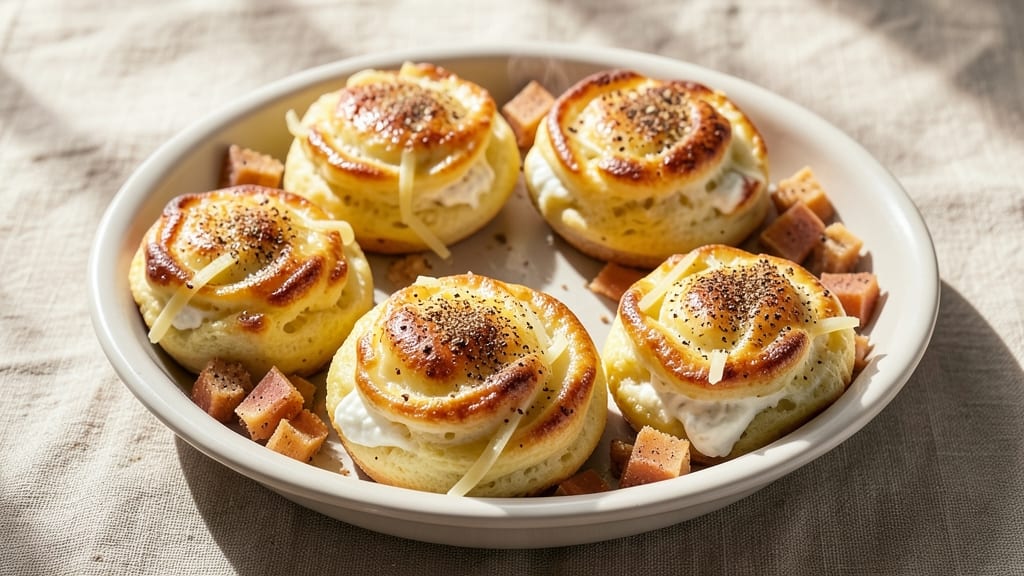
This 4-cheese egg soufflé recipe transforms simple ingredients into golden, cloud-like perfection with a molten cheese center—every bite is a revelation. The secret lies in properly separated eggs whipped to stiff peaks and four cheeses that melt into velvety layers, creating a dish that's equal parts elegant and comforting.
I've perfected this technique after years of testing, ensuring your soufflé rises tall and stays light, never sinking like so many recipes promise but fail to deliver.
The magic happens in the preparation: precise egg separation, gentle folding of cheeses, and baking at 350°F until the exterior turns golden while the interior remains tender. This isn't just dessert—it's a showstopper that impresses even the most discerning guests.
The combination of sharp cheddar, creamy gruyère, rich parmesan, and tangy goat cheese creates a flavor profile that's both complex and satisfying, with each bite offering a perfect balance of textures.
What you'll achieve is a restaurant-quality soufflé that's light as air yet rich with melted cheese, served in elegant ramekins for maximum drama. The exterior stays crisp while the center remains custardy, proving that homemade can rival the finest patisserie creations.
Whether you're hosting a dinner party or treating yourself to a special dessert, this recipe delivers results that will leave everyone asking for seconds.
Mastering the soufflé technique is easier than you think—just follow the steps carefully, and you'll have a dish that's both impressive and foolproof. The key is patience and precision, but the reward is worth every minute. Let's create something extraordinary together.
Ingredients for 4 cheese egg souffle
Four cheeses, eight eggs, and a touch of wine transform into golden soufflé clouds—light yet rich with molten centers.
| Ingredient | Amount | Notes |
|---|---|---|
| Large Eggs 🥚 | 8 whole | Room temperature, separated carefully |
| Sharp White Cheddar Cheese 🧀 | ½ cup | Shredded, fine grade preferred |
| Gruyère Cheese 🧀 | ½ cup | Shredded, aged 12+ months |
| Parmesan Cheese 🧀 | ½ cup | Freshly grated, fine shavings |
| Goat Cheese 🧀 | ¼ cup | Soft, crumbled texture |
| Unsalted Butter 🧈 | 2 tbsp | Melted, cooled slightly |
| All-Purpose Flour 🌾 | 2 tbsp | Sifted, light texture |
| Kosher Salt 🧂 | ¼ tsp | Fine grain preferred |
| White Wine 🍷 | 1 tbsp | Dry, chilled |
| Nutritional Yeast 🍃 | 1 tbsp | For umami depth |
| Heavy Cream 🥛 | ¼ cup | Cold, whipped briefly |
| Lemon Juice 🍋 | 1 tsp | Freshly squeezed |
| Ramekins 🍽️ | 4 whole | 4-6 oz capacity, buttered |
The cheeses are non-negotiable for texture and flavor. Gruyère from Whole Foods or specialty shops melts beautifully, while aged Parmigiano-Reggiano adds depth—never pre-shredded. Sharp white cheddar should be vibrant and dry (avoid waxy varieties). For goat cheese, freshly crumbled works best, though pre-shredded in a pinch. Eggs must be room temperature—cold whites won't whip properly. The white wine should be dry (Sauvignon Blanc or Pinot Grigio) and chilled to enhance acidity without overpowering.
No Gruyère? Comté or Emmental shreds finely and melts well. Substitute goat cheese with creamy ricotta (reduce to 1/4 cup) for a milder profile. Pre-shredded cheeses contain anti-caking agents that prevent proper melting—grate your own using a microplane. For wine, dry vermouth or apple cider vinegar works in a bind. The heavy cream can be omitted if strict about diet, but the soufflé will be slightly denser. Always use unsalted butter to control seasoning precisely—salted adds variability.
Egg whites hold air for 48 hours at room temperature in sealed containers. Cheeses keep 2 weeks in airtight containers (except goat cheese, which lasts 1 week). Prep ramekins by buttering them thoroughly and dusting with flour—this prevents sticking. Soufflés must bake immediately after folding; never refrigerate before baking. Leftovers (if any) reheat poorly—best served fresh from the oven. For make-ahead prep, whip egg whites and store separately with cheese mixtures, combining just before baking.
Why You'll Love This Recipe
- No Fuss, Big Payoff: I swear by this—just separate eggs, grate cheeses, and fold. No whisking until your arm gives out. The magic happens in the oven, not the elbow grease.
- Four Cheeses, Zero Regrets: Sharp cheddar’s tang cuts through Gruyère’s nutty richness, while goat cheese adds that creamy bite. Parmesan? The sprinkle that makes it sing. It’s like a cheese board in every bite.
- Brunch or Snack Attack: Serve it warm with crusty bread for a lazy Sunday brunch, or let it cool and pack slices for lunch. My college-aged son eats it cold straight from the fridge—no judgment here.
- Leftovers That Don’t Suck: Unlike soufflés that collapse into sad pancakes, these reheat like a dream. Store them in the fridge for up to 3 days, or freeze for quick protein-packed meals. (Yes, even on a Tuesday night.)
Step-by-step instructions for 4 cheese egg soufflé
Mastering soufflés requires precision and patience—every step builds the signature lightness and rich flavor.
Prepare the Egg Whites and Yolk Mixtures
Begin by separating the 8 whole large eggs into whites and yolks, placing each in separate bowls. I use a fine-mesh sieve for separation to ensure no traces of yolk contaminate the whites—this is critical for achieving stiff peaks later. Let both bowls sit at room temperature for 10 minutes to ensure even consistency.
In the yolk bowl, whisk together the yolks, 0.5 cup shredded sharp white cheddar, 0.5 cup shredded Gruyère, 0.5 cup freshly grated Parmesan, 0.25 cup crumbled goat cheese, 2 tbsp melted butter, 2 tbsp sifted flour, 0.25 tsp kosher salt, 1 tbsp chilled white wine, 1 tbsp nutritional yeast, 0.25 cup cold heavy cream, and 1 tsp lemon juice. The mixture should be smooth and velvety—this is your base. If it thickens too much, whisk in 1 tsp water to restore flow.
Whip the Egg Whites to Stiff Peaks
Using a stand mixer fitted with the whisk attachment, beat the egg whites on low speed until foamy. Gradually increase to high speed and whip for 5-7 minutes until stiff peaks form. The meringue should hold its shape when the whisk is lifted—this is non-negotiable for structure. Avoid over-whipping, or the soufflés will collapse.
Here's the thing—egg whites vary in behavior. If your whites take longer to stiffen, don't rush it. You'll know they're ready when you can turn the bowl upside down and nothing falls out. Gently fold one-third of the meringue into the yolk mixture to lighten it, then fold in the remaining meringue in two additions, using a spatula to preserve air pockets.
Fill Ramekins and Preheat the Oven
Preheat your oven to 350°F with the rack positioned in the center. Butter the 4 ramekins generously, then dust with flour, tapping out any excess. Divide the egg mixture evenly among the ramekins, filling each ¾ full. The batter should dome slightly—this is normal and ensures expansion during baking.
Place the ramekins in a deep baking dish and pour hot water into the dish until it reaches halfway up the sides of the ramekins. This creates a water bath that ensures gentle, even heating. The water should be 180°F—too hot and the soufflés will steam too aggressively; too cool and they won't rise properly.
Bake Until Golden and Set
Transfer the baking dish to the preheated oven and bake for 18-22 minutes. The soufflés are done when they've doubled in size, the tops are golden brown, and they've pulled slightly away from the edges of the ramekins. Open the oven door just a crack during the last 2 minutes to let steam escape—this prevents a soggy top.
Don't walk away during this step. Overbaking is the fastest way to ruin a soufflé—they should be just set, not firm. If the tops brown too quickly, tent them loosely with foil. Serve immediately while still warm, as soufflés deflate rapidly once removed from the oven. The interior should be creamy and molten, with a delicate crust on top.
Serve and Enjoy
Run a thin knife around the edges of each ramekin to loosen the soufflés, then invert them onto warm plates. The cheese should be melted and gooey, with a light, airy texture that collapses slightly as it cools. Pair with a crisp green salad or roasted vegetables to complement the richness.
Real talk: Soufflés are unforgiving if rushed, but the payoff is worth it. The combination of Gruyère's nutty depth, goat cheese's tang, and Parmesan's sharpness creates a flavor profile that's both elegant and satisfying. Serve with a drizzle of reduced white wine sauce for an extra touch of sophistication.
Pro Tips For Making 4 Cheese Egg Souffle
- Prep Cheeses Like a Pro: Grate the sharp cheddar and Gruyère yourself—store-bought pre-shredded cheese has anti-caking agents that make your soufflé dense. For the goat cheese, crumble it by hand into pea-sized pieces; it melts better that way and won’t turn rubbery.
- Whisk Egg Whites to Stiff Peaks: Use a clean, grease-free bowl and beat the egg whites until they hold stiff peaks that don’t flop when you lift the whisk. If your kitchen’s humid, chill the bowl first—it’s the only way to get that cloud-like texture without overmixing.
- Skip the Oven Door Peeking: Open that oven door once, max. The soufflé’s rise depends on steady heat—every peek drops the temp and risks a sad collapse. Set a timer for 12-15 minutes (350°F) and trust the process.
- Fold in Goat Cheese Last: The goat cheese is delicate—add it after the other cheeses are mixed in, right before folding in the egg whites. Too early, and it’ll curdle; too late, and you’ll deflate the batter. Gentle, wide strokes only.
Storing and reheating this recipe
Refrigerator Storage
Soufflés are best served immediately after baking, but if you must store them, refrigerate for no more than 2 hours before serving. Place leftover soufflés in an airtight container lined with parchment paper to prevent sticking.
The texture will become denser and less airy, but they still taste delicious. I recommend reheating only small portions if you choose to store them. 🥫
Freezer Storage
Soufflés don't freeze well due to their delicate structure, but you can freeze the batter before baking. Whip the egg whites and prepare the cheese mixture separately, then combine just before baking.
Store the egg whites in one airtight container and the cheese mixture in another for up to 48 hours. Thaw overnight in the fridge before combining and baking. The texture won't be as light, but it's a great option for make-ahead prep.
Reheating Leftovers
If you have leftovers, reheat them gently in the oven at 325°F for 8-10 minutes to restore some of the crispness. Cover loosely with foil to prevent drying. Microwaving is not recommended as it can make the soufflés rubbery.
Serve immediately after reheating to enjoy the best texture. A sprinkle of fresh herbs or a drizzle of reduced wine sauce can elevate the dish even after reheating. 🔥
Serving Immediately
For the best results, serve soufflés straight from the oven while they're still warm and airy. The contrast between the crisp exterior and molten cheese center is what makes this dish truly special.
Keep them warm in a 200°F oven for up to 30 minutes if you need to hold them before serving. This maintains their structure and prevents them from deflating too quickly. Always serve in the ramekins for that elegant touch. ✨
Make-Ahead Tips
Prep your ramekins and ingredients the night before for a stress-free baking day. Butter and flour the ramekins, then store them covered at room temperature. Measure and shred all your cheeses, and separate the eggs, storing them in the fridge.
On baking day, bring everything to room temperature and proceed with the recipe. This approach saves time and ensures you're ready to bake at the perfect moment. 📅
Garnishing for Freshness
Add fresh garnishes right before serving to keep your soufflés looking and tasting their best. A sprinkle of freshly cracked black pepper, chopped chives, or toasted nuts adds texture and visual appeal.
For extra flair, drizzle with a balsamic glaze or a honey-thyme reduction. These toppings not only enhance the presentation but also complement the rich cheese flavors beautifully. 🌟
Nutrition facts
Frequently asked questions
Why do my egg whites not whip to stiff peaks?
Egg whites need to be at room temperature and free of any yolk traces. Use a clean, grease-free bowl and whisk attachment, and avoid overmixing after peaks form. If they're still struggling, try adding 1/8 tsp cream of tartar to stabilize them. Older eggs also whip better than fresh ones.
Can I substitute any of the cheeses in this recipe?
Swap Gruyère for Comté or Emmental (both melt beautifully), replace goat cheese with ricotta or mascarpone (reduce by half), or use fontina for extra creaminess. Avoid pre-shredded cheeses—they contain anti-caking agents that prevent proper melting. Always grate fresh for best results.
How do I prevent my soufflé from sinking?
Never open the oven door during baking, and avoid sudden temperature changes. Fill ramekins only ¾ full to allow expansion, and don't overmix the batter. The key is patience—bake until just set (18-22 minutes) and serve immediately. If it starts sinking, it's already too late—focus on timing next time!
What's the best way to serve this 4-cheese soufflé?
Serve immediately in the ramekins for maximum drama, with a crisp green salad or roasted vegetables to balance the richness. Garnish with fresh herbs or a drizzle of reduced white wine sauce. For a decadent touch, pair with a bold red wine like Cabernet Sauvignon. The contrast of temperatures makes every bite spectacular!
Can I make this recipe without a water bath?
Technically yes, but a water bath ensures even heat distribution and prevents cracking. If skipping it, bake at 325°F instead of 350°F and reduce baking time by 2-3 minutes. Monitor closely—the soufflés will rise more slowly without the steam. For best results, stick with the water bath method.