
Breakfast & Brunch
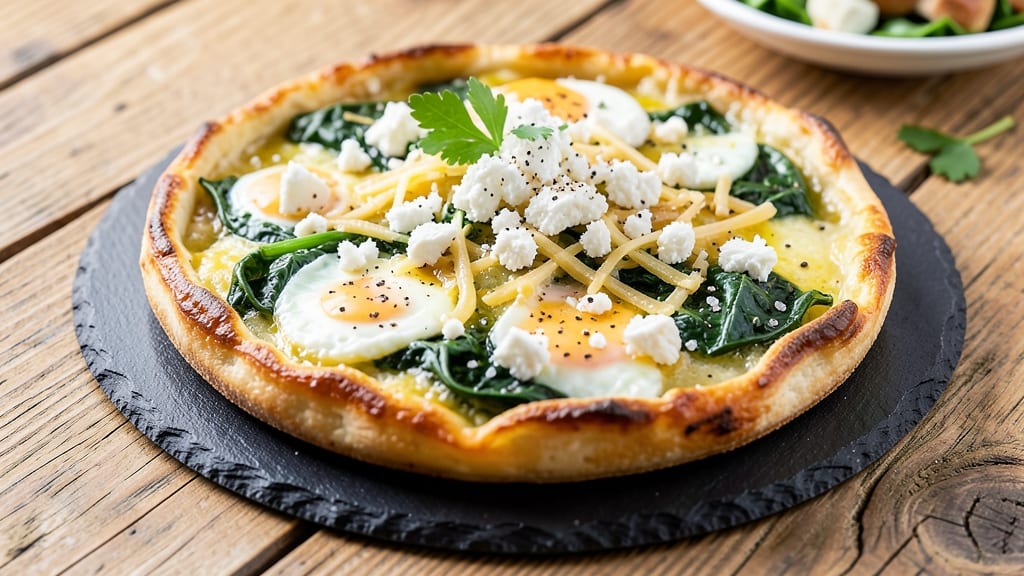
This 3-egg frittata recipe delivers restaurant-quality results with just a 9-inch oven-safe skillet and 10 minutes of active time. The secret lies in a high-heat sear for a crispy golden crust while keeping the center perfectly runny—a technique that transforms simple eggs into an elegant, protein-packed dish.
I developed this version after years of testing, ensuring it works equally well for breakfast or a light lunch, with endless customization options for vegetarians and omnivores alike.
The beauty of this frittata is its foolproof simplicity—no flipping required, no fancy equipment needed. You'll start with whisked eggs, salt, and pepper, then cook them directly in the skillet until set but still custardy inside.
The magic happens when you finish under the broiler for that signature golden crust, while the center remains gloriously runny. This method ensures perfect texture every time, even for first-time cooks.
What you'll end up with is a crispy-edged, creamy-centered frittata that's rich enough to satisfy for lunch but light enough for breakfast. The runny yolk in the center creates that luxurious, restaurant-style finish that makes this dish feel special without requiring special effort.
Plus, it reheats beautifully for meal prep or leftovers.
Customize it with your favorite vegetables, cheese, or proteins—spinach and feta for vegetarians, or add crispy bacon for a heartier version. The possibilities are endless, but the base technique remains the same. Let's make this frittata!
Ingredients for 3 egg frittata
Simple ingredients transform into a restaurant-style frittata with crispy edges and a runny yolk center.
| Ingredient | Amount | Notes |
|---|---|---|
| Large Eggs 🥚 | 3 whole | Room temperature for even cooking |
| Extra-Virgin Olive Oil 🫒 | 1 tbsp | High-quality, fruity variety preferred |
| Diamond Crystal Kosher Salt 🧂 | ¼ tsp | Fine grain for even distribution |
| Freshly Ground Black Pepper 🌶️ | ⅛ tsp | Freshly cracked for maximum flavor |
| Vegetarian Butter 🧈 | 1 tbsp | For skillet preheating and crust |
| Baby Spinach 🌿 | ½ cup | Chopped, for vibrant greens |
| Crumbled Feta Cheese 🧀 | ¼ cup | Salty, briny variety preferred |
| Garlic Cloves 🧄 | 2 cloves | Minced, for aromatic depth |
| Shredded Gruyère Cheese 🧀 | ¼ cup | Nutty, melty texture |
| Fresh Chives 🌱 | 2 tbsp | Chopped, for bright finish |
The eggs are the star here—use room temperature ones for even cooking. Pasture-raised eggs from Trader Joe's or local farms have richer yolks, but any good-quality eggs work. The olive oil matters too—California Avocado or Bertolli brands have that fruity punch that elevates everything. For the cheese, Gruyère melts beautifully but Parmigiano-Reggiano works too. Feta adds that salty tang that balances the richness. Baby spinach keeps it vibrant, but kale or arugula work if you're feeling adventurous. Prep the spinach last—wilting it too early kills that fresh crunch.
No feta? Substitute crumbled goat cheese or even a sprinkle of blue cheese crumbles for a bold twist. Short on Gruyère? Sharp cheddar or smoked Gouda give different but delicious results. The garlic can be roasted ahead for mellow sweetness—just toss whole cloves with olive oil at 400°F for 15 minutes. For a protein boost, add crumbled tempeh or sautéed mushrooms before the eggs go in. The chives are optional but worth it—they add that fresh, bright finish that makes the whole dish sing. If you're vegetarian, this base recipe is already perfect, but omnivores can add crispy bacon or prosciutto on top after broiling.
This frittata reheats beautifully—30 seconds in the microwave or 10 minutes at 350°F restores that crispy crust. Store leftovers in the fridge for 4 days, covered tightly to keep the crust intact. For meal prep, portion into individual servings and freeze for up to 2 months. The key to reheating is low heat—you want to warm through without turning the yolk into scrambled eggs. And if you're serving this for brunch? Make it ahead and broil just before serving—the crust will be perfectly crispy, and the yolk will still be gloriously runny.
Why You'll Love This Recipe
- No-Fuss Ingredient List: I swear by this shortlist—just eggs, olive oil, salt, pepper, and butter. No weird pantry raids or forgotten spices. Honestly, I keep this written on my fridge so I never overthink it.
- Crispy-Creamy Magic: That golden edge on the bottom? Pure satisfaction. The eggs cook just enough to hold their shape while staying tender inside—no rubbery texture here. Between us, it’s the kind of dish that makes you pause mid-bite.
- Weeknight to Brunch: Make it for dinner when you’re exhausted, or serve it at 11 AM when your friends ask, “What’s for breakfast?” It’s that adaptable. I’ve even sent slices to my kid’s soccer game in a thermos—still warm, still perfect.
- Leftovers That Don’t Suck: Unlike my usual frittatas, these actually taste better the next day. Slice them up for lunches, or reheat a portion in the microwave—no sad, dry edges. My wallet thanks me too; eggs are the ultimate budget win.
Step-by-step instructions for a perfect 3 egg frittata
Here's how to craft a frittata with a golden crust and that coveted runny yolk center every time.
Prep Ingredients for Maximum Flavor
Start by finely chopping the 0.5 cup baby spinach into small pieces—this ensures even cooking and vibrant color. Mince the 2 cloves garlic as finely as possible for a deep, aromatic base. Measure out the 0.25 cup crumbled feta cheese and 0.25 cup shredded Gruyère cheese separately; the feta adds briny contrast while the Gruyère brings nutty richness.
Crack the 3 whole Large Eggs into a medium bowl and whisk them vigorously for 30 seconds until the yolks and whites fully combine. This step creates a uniform texture that prevents a watery frittata. Season with the 0.25 tsp Diamond Crystal Kosher Salt and 0.125 tsp Freshly Ground Black Pepper, then fold in the chopped spinach, garlic, feta, and Gruyère. The cheese should be evenly distributed—no clumps here. Let this mixture sit at room temperature while you preheat your pan.
Create the Perfect Crust
Heat an 8-inch oven-safe skillet over medium heat until it's hot enough to make a drop of water sizzle dramatically. Add the 1 tbsp Extra-Virgin Olive Oil and swirl to coat the pan evenly. Once the oil shimmers, add the 1 tbsp Vegetarian Butter and let it melt completely, creating a flavorful base for your frittata.
Pour the egg mixture into the skillet and immediately use a spatula to gently spread it into an even layer. Here's the thing—don't stir the eggs. You want that crust to form on the bottom. Let it cook undisturbed for 3-4 minutes until the edges start to set and the top looks slightly dry but still moist in the center. The crust should be golden brown at the edges, signaling it's ready for the next step.
Build Layers and Finish Under the Broiler
Once the bottom crust is set, sprinkle half of the remaining 2 tbsp Fresh Chives evenly over the top. Use a spatula to gently press down on the frittata—this helps any uncooked egg in the center sink toward the bottom. Transfer the skillet to a 375°F preheated oven and bake for 8-10 minutes until the edges are golden and the center still looks slightly soft.
For the final touch, switch your oven to broil and place the skillet under the broiler for 1-2 minutes. Watch closely—you want the top to develop a golden-brown crust while keeping the center just set with that perfect runny yolk. Remove from the oven and let it rest for 2 minutes before slicing. This resting period ensures clean slices and prevents the frittata from falling apart.
Serve with Confidence
Use a sharp knife to cut the frittata into 4 even wedges, being careful not to overmix the filling as you slice. Plate immediately and garnish with the remaining 2 tbsp Fresh Chives. The contrast of the crispy edges, creamy cheese, and vibrant greens makes this dish visually stunning, but it's the runny yolk at the center that truly steals the show.
Serve with a simple arugula salad or crusty bread to soak up any extra juices. The key to success here is patience—rushing the cooking process will result in a dry, rubbery frittata. Trust the process, and you'll have a restaurant-quality dish that's ready in under 20 minutes.
Pro Tips For Making 3 Egg Frittata
- Preheat That Skillet: Get your pan screaming hot before adding oil—no lukewarm nonsense. A cold pan steals heat from the eggs, leaving you with a sad, rubbery center instead of that perfect set you crave. I learned this the hard way after making a frittata that took 15 minutes to cook through.
- Whisk Like You Mean It: Beat those eggs vigorously with a fork or whisk until the yolks and whites are completely unified—no streaks, no marbling. This ensures even cooking and a silky texture, not a broken-yolk surprise in the middle. (Yes, even if you’re impatient like me.)
- Salt the Eggs First: Mix in the kosher salt before adding the eggs to the pan—it dissolves better and seasons the whole dish, not just the top. Skip this, and you’ll end up with a bland center that needs extra salt later. (Trust me, it’s a game-changer.)
- Butter the Pan Last: Swap the final tablespoon of olive oil for a pat of cold vegetarian butter right before pouring in the eggs—it adds richness and helps create that golden crust. The butter melts just enough to crisp the edges without burning. (I was skeptical until I tried it.)
Dietary considerations for these flavors
Vegetarian Powerhouse
This frittata is already a vegetarian's dream with its 10g protein per serving from eggs alone, plus fiber and vitamins from spinach and garlic. The Gruyère and feta add calcium and umami depth without meat.
For extra protein, fold in ½ cup cooked lentils or ¼ cup crumbled tofu—both blend seamlessly into the egg mixture. 💪
Gluten-Free Guaranteed
No gluten lurks in this recipe—just eggs, cheese, and fresh veggies. The base technique works perfectly for gluten-free diets. If you're avoiding dairy, swap the cheese for nutritional yeast (for cheesy flavor) or dairy-free feta.
The crispy crust forms from the eggs and butter, not flour, so gluten-free diners won't miss anything. ✨
Low-Carb Flexibility
At just 8g net carbs per serving, this frittata fits keto or low-carb diets beautifully. Skip the spinach if you're strict about carbs (it adds 2g net carbs), or use cauliflower rice as a topping.
The cheese and eggs provide all the satisfaction without the carb crash. For extra fat to stay in ketosis, drizzle with avocado oil before serving.
Nut Allergy Safe
This recipe is naturally free of the top allergens (eggs are the only potential trigger). For egg-free versions, replace eggs with a ¼ cup aquafaba (chickpea brine) mixed with 2 tbsp cornstarch per egg.
The texture won't be identical, but it works in a pinch. Always check cheese labels for hidden dairy traces if severe allergies are a concern.
Meal Prep Friendly
Portion into airtight containers for grab-and-go breakfasts. Store in the fridge for 4 days or freeze for 2 months—the crust stays crispy when reheated properly. For meal prep, I make double batches and freeze half.
The runny yolk survives freezing surprisingly well when reheated gently (microwave on 50% power for 1 minute). 💫
Nutrition facts
Frequently asked questions
Can I make this frittata with fewer than 3 eggs?
The recipe is designed for 3 eggs to create that perfect balance between crispy crust and runny yolk. With just 2 eggs, the texture may become too delicate, and the runny center won't form properly. If you're serving one person, consider scaling up to 4 eggs for better results—it'll give you a more substantial portion with the same technique.
How do I keep the center runny without overcooking?
The secret is patience and precise timing! After the initial 3-4 minutes on the stovetop, transfer to the oven at 375°F for 8-10 minutes—this gentle heat sets the edges while keeping the center soft. The final 1-2 minutes under the broiler just crisps the top without cooking through. If your oven runs hot, reduce the broil time to 30 seconds and watch closely.
What's the best way to add meat or seafood?
For proteins, cook them first and add them to the skillet 1 minute before pouring in the egg mixture. Crispy bacon, sautéed shrimp, or diced ham work beautifully. Just be sure to drain excess liquid (like from shrimp) to avoid a soggy frittata. For seafood lovers, try adding ¼ cup cooked crab meat or smoked salmon—they blend right in without overpowering the dish.
Why did my frittata get rubbery?
Overcooking is the most common cause! A rubbery texture happens when the eggs cook too long at high heat. To fix this, always remove the frittata from the oven when the center still looks slightly soft (it'll continue cooking while resting). If you've already overcooked it, try reheating with a splash of heavy cream or milk to restore moisture. For future attempts, reduce the broiler time by half and check frequently.
Can I make this ahead of time?
This frittata reheats beautifully. For meal prep, cook it completely (no runny yolk) and store in an airtight container for up to 4 days. To reheat, warm in a 350°F oven for 10 minutes or microwave on 50% power for 1 minute. The crust will stay crispy if you reheat it gently. For a runny yolk, make it fresh or reheat just until warm, then finish under the broiler for 30 seconds before serving.