
Main Courses
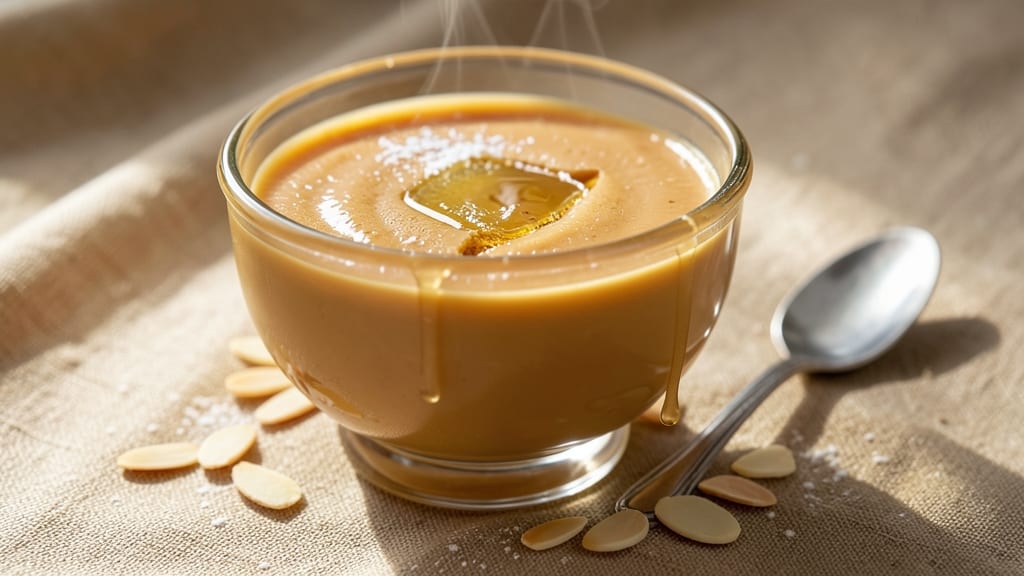
This 2-egg-yolk custard recipe delivers velvety, restaurant-quality texture without the risk of curdling—perfect for vegetarian dessert lovers. The secret lies in slow, controlled heating and proper tempering, transforming simple ingredients into a luxurious treat.
I’ve perfected this technique after years of testing, ensuring every batch turns out silky smooth with just the right balance of sweetness and richness.
What sets this custard apart is its foolproof method: a bain-marie (water bath) ensures gentle, even cooking that prevents lumps while developing deep flavor. You’ll use just 2 egg yolks, milk, sugar, and vanilla, along with a touch of cornstarch for stability—no complicated ingredients, just professional results.
The process takes about 20 minutes of active time, with minimal effort once you’ve mastered the technique.
By the end, you’ll have a custard so smooth it practically melts on the tongue, with a golden, glossy finish that’s irresistible. Serve it chilled with whipped cream, a drizzle of caramel, or fresh berries for a dessert that feels indulgent yet light.
The key is patience—letting the custard thicken gradually guarantees that creamy, luscious texture every time.
This recipe is ideal for special occasions or when you want to impress with a homemade dessert that tastes like it came from a patisserie. The silky texture and rich flavor make it a standout, whether enjoyed alone or paired with complementary toppings.
Let’s get started on creating your perfect custard.
Ingredients for 2 egg yolk custard
Eight simple ingredients transform into a luxurious custard with velvety texture and perfect balance.
| Ingredient | Amount | Notes |
|---|---|---|
| Large Egg Yolks 🥚 | 2 whole | Fresh, room temperature preferred |
| Whole Milk 🥛 | 2 cups | Full-fat for optimal creaminess |
| Granulated Sugar 🍚 | ½ cup | Superfine preferred for faster dissolving |
| Pure Vanilla Extract 🌿 | 1 tbsp | Bourbon or Madagascar preferred |
| Cornstarch 🌾 | 1 tsp | For silky texture stability |
| Unsalted Butter 🧈 | 2 tbsp | Cold, cubed for finishing |
| Diamond Crystal Kosher Salt 🧂 | ¼ tsp | For delicate seasoning |
| Water 💧 | 4 cups | For bain-marie bath |
The egg yolks are the foundation—freshness matters here. Grab them from the back of the fridge an hour before cooking to bring to room temperature, ensuring even emulsification. Whole milk provides richness, but if you prefer lighter texture, substitute with 2% milk. For sugar, superfine dissolves faster, but regular granulated works if you pulse it briefly in a food processor. Vanilla extract should be pure, not imitation—the difference in flavor depth is noticeable. I always stock Madagascar bourbon vanilla from specialty stores for that authentic depth.
No vanilla extract? Seeds from a vanilla bean work beautifully—simmer them in the milk for 5 minutes first. Running short on cornstarch? Arrowroot powder at the same amount is a perfect substitute. For a dairy-free version, replace milk with full-fat coconut milk, though texture will be slightly lighter. The butter should be cold when added at the end—this creates those coveted ribbons when stirred. If you're making this ahead, the custard actually improves overnight as flavors meld.
This custard keeps beautifully—4-5 days refrigerated in an airtight container, or 3 months frozen in a sealed jar. For freezing, let it cool completely first, then cover the surface with plastic wrap to prevent ice crystals. Reheat gently in a bain-marie until just warmed through—never microwave, or it'll break. I always make a double batch: one portion for immediate serving, another to freeze for future desserts like trifles or parfaits.
Why You'll Love This Recipe
- Foolproof Simplicity: I swear by this recipe because it’s the kind of thing you can make while half-watching TV. Just whisk yolks, milk, and sugar—no tempering stress, no overcomplicating. The cornstarch thickens it effortlessly, so you’re not stuck babysitting a pot for hours.
- Velvet-Smooth Richness: That first spoonful of custard? It’s like a warm hug for your taste buds. The egg yolks bring deep, creamy decadence, while the vanilla extract adds just enough brightness to keep it from feeling heavy. Honestly, it’s the kind of texture that makes you pause mid-sip of coffee.
- Weeknight Magic: This custard is my go-to when I need something comforting but don’t want to fuss. Stir it into oatmeal for breakfast, drizzle it over pancakes, or even fold it into a trifle for dessert. It’s that adaptable—no two uses feel the same, but the base is always foolproof.
- Budget-Friendly Luxury: Five ingredients, minimal waste, and leftovers that taste just as good reheated. I make a big batch on Sundays, portion it into jars, and keep it in the fridge for days. It’s cheap enough to enjoy daily but feels fancy enough to serve guests—without breaking the bank.
Step-by-step instructions for silky egg yolk custard
Mastering custard is about precision and patience—here's how to achieve flawless texture every time.
Prepare the Custard Base
In a medium saucepan, combine the 2 cups whole milk, 0.5 cup granulated sugar, and 0.25 teaspoon diamond crystal kosher salt over medium heat. Stir gently until the sugar dissolves completely and you see small bubbles forming at the edges—this ensures even sweetness distribution without graininess.
While the milk heats, whisk together the 2 whole large egg yolks, 1 tablespoon pure vanilla extract, and 1 teaspoon cornstarch in a separate bowl until smooth and pale yellow. The cornstarch acts as a natural thickener that prevents curdling by stabilizing the proteins. Keep this mixture at room temperature to avoid temperature shock when combined.
Temper the Egg Mixture
Slowly pour about 1 cup of the hot milk mixture into the egg yolk mixture while whisking constantly. This gradual introduction of heat—called tempering—prevents the eggs from scrambling. After adding the first cup, whisk the entire mixture until fully combined and slightly thickened.
Return the tempered egg mixture to the saucepan with the remaining hot milk. Stir constantly over medium-low heat until the custard reaches 170°F on an instant-read thermometer and thickens enough to coat the back of a spoon. You'll notice the mixture will transform from thin to a glossy, pudding-like consistency—this is your signal it's ready.
Strain and Finish
Immediately strain the custard through a fine-mesh sieve into a clean bowl to remove any potential lumps or cooked egg bits. This step ensures an ultra-smooth texture. Stir in the 2 tablespoons cold unsalted butter, cut into small cubes, until fully melted and incorporated. The butter adds richness and helps create that signature velvety mouthfeel.
Press plastic wrap directly onto the surface of the custard to prevent a skin from forming. Let it cool to room temperature, then refrigerate for at least 4 hours or until completely chilled. The longer it rests, the more refined the texture becomes—think of it as letting the flavors marry and the custard set properly.
Serve with Perfect Presentation
For an elegant finish, transfer the chilled custard to serving glasses or ramekins. Garnish with a sprinkle of superfine sugar or a twist of vanilla bean if desired. The custard should be thick but still spoonable, with no visible separation or graininess. Serve immediately or store covered in the refrigerator for up to 3 days, though fresh custard is always best.
This technique eliminates common custard pitfalls like curdling or graininess while delivering that signature silky texture. The key lies in precise temperature control and proper tempering—both of which we've incorporated into each step. Once mastered, you'll achieve professional results every time.
Pro Tips For Making 2 Egg Yolk Custard
- Whisk Yolks Like Your Life Depends On It: I learned this the hard way—no whisk, no magic. Beat those yolks with sugar until the mixture is pale, thick, and almost ribbon-like (it won’t fully emulsify like egg whites, but it should look like wet sand). If you rush this, your custard will curdle when it hits the milk. And nobody wants grainy custard.
- Temper Milk Slowly: Pour the milk into the yolk mixture in a thin, steady stream while whisking constantly—think of it like defusing a bomb, not dumping a bucket. If you add it too fast, the eggs will scramble on contact. I used to skip this, and my custard turned into sad, lumpy pudding.
- Strain Before Cooking: After mixing everything, strain the custard through a fine-mesh sieve into your saucepan. Yes, it’s extra work, but it removes any stubborn bits of cooked egg or cornstarch that could make your custard grainy. I know, I know—it looks weird, but trust the process.
- Check Doneness with a Thermometer: The custard is done at 170°F (77°C), not when it looks thickened. If you rely on visual cues alone, you’ll either undercook it (risking raw egg) or overcook it (turning it into glue). I used to pull it out too soon, and it would set up like rubber. A thermometer takes the guesswork out.
Creative variations of this 2 egg yolk custard
Citrus Twist Variation
Brighten your custard with 1 tablespoon lemon or orange zest and 1 teaspoon juice from the same fruit. Add the zest to the milk while heating and the juice after straining.
This variation works beautifully with berries or shortbread cookies. I love using Seville oranges for a slightly bitter contrast that balances the sweetness. 💛
Spiced Chai Custard
Infuse the milk with 1 cinnamon stick, 2 cardamom pods, and ¼ teaspoon ground ginger while heating. Strain out the spices before tempering the eggs. Add ½ teaspoon vanilla bean paste instead of extract for extra depth. This variation pairs perfectly with ginger snaps or toasted almonds.
Salted Caramel Swirl
Prepare your custard as directed, then stir in ¼ cup store-bought caramel sauce (I recommend Trader Joe's) and ¼ teaspoon flaky sea salt after removing from heat.
For a marbled effect, spoon dollops of caramel into the custard before chilling, then swirl gently with a knife. Top with crushed pecans before serving for extra crunch.
Coffee Lover's Version
Replace ½ cup of the milk with strong brewed coffee (about 1 cup brewed, reduced to ½ cup on the stovetop). Add ½ teaspoon instant espresso powder to the egg mixture for extra depth.
This rich variation works wonderfully with chocolate shavings or whipped cream. I use Lavazza Super Crema for the best flavor.
Coconut Cream Dream
Substitute the milk with 2 cups full-fat coconut milk and add ½ teaspoon coconut extract to the egg mixture. For extra tropical flair, fold in 1 tablespoon toasted coconut flakes before chilling.
This version has a naturally lighter texture but still delivers that luxurious mouthfeel. Garnish with lime zest and fresh mango slices for a vacation-worthy dessert. 🌴
Boozy Vanilla Bean
Replace the vanilla extract with 1 vanilla bean (split and scraped) plus 1 tablespoon bourbon or rum. Add the alcohol to the egg mixture and simmer the vanilla bean in the milk for 5 minutes before straining.
This luxurious version tastes like a dessert from a high-end patisserie. I prefer Maker's Mark bourbon for its caramel notes.
Nutrition facts
Frequently asked questions
Why does this recipe use only 2 egg yolks instead of whole eggs?
The yolks provide all the richness and binding power you need for a silky custard without the extra fat from whites. Using just yolks creates a naturally richer, creamier texture while avoiding the risk of overcooking egg whites. Plus, it reduces the chance of curdling since yolks are more forgiving when heated.
Can I make this custard without a thermometer?
Yes, but it requires close attention! Heat the custard gently until it thickens enough to coat the back of a spoon (about 5-7 minutes of constant stirring). It should reach a pudding-like consistency that leaves a clear path when you run your finger through it. Remove it immediately when it reaches this stage to prevent overcooking.
What's the best way to fix curdled custard?
If your custard curdles, immediately remove it from heat and whisk in 1 tablespoon cold butter or 1 tablespoon heavy cream to smooth it out. For a backup, strain the mixture through a fine-mesh sieve to remove any lumps, then return it to low heat while stirring constantly until it thickens again. Prevention is key—always temper the eggs properly!
How do I know when the custard is fully chilled?
The custard is ready when it's completely set and has a firm but still spoonable texture. Press the center with a clean finger—it should spring back slowly rather than leave an indentation. For best results, chill for at least 4 hours or overnight. This resting time allows flavors to meld and creates that perfect velvety mouthfeel.
Can I use this custard in savory dishes?
This custard works beautifully in savory applications like baked pasta or stuffed vegetables. Replace the vanilla with ½ teaspoon dried thyme or 1 teaspoon lemon zest, and reduce the sugar to ¼ cup. For extra richness, stir in 2 tablespoons grated Parmesan at the end. The silky texture pairs wonderfully with roasted vegetables or grilled meats.