
Desserts
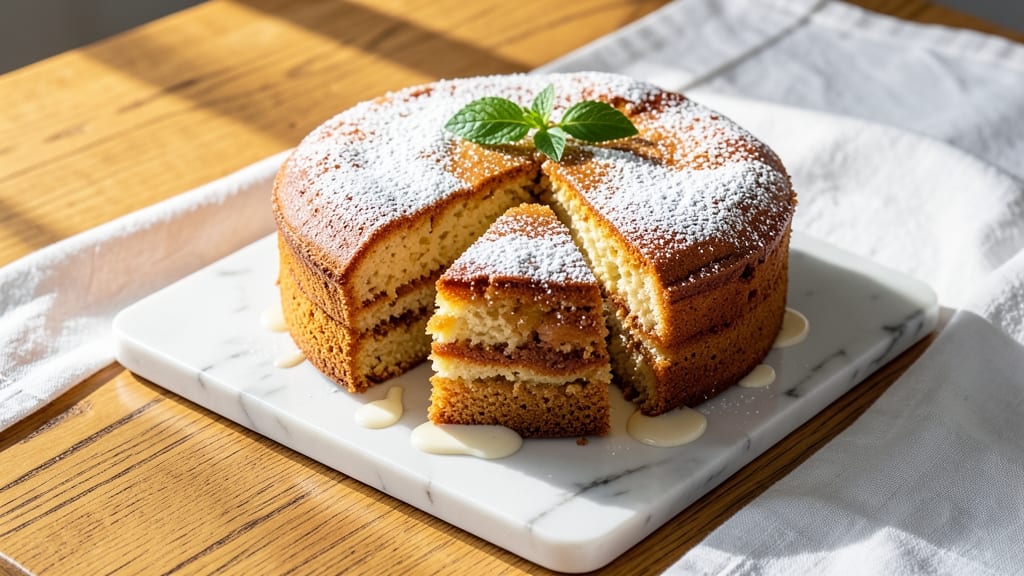
This 2-egg pound cake recipe delivers restaurant-quality moistness with just half the eggs—no compromise on texture or flavor. 💛 The secret lies in proper butter incorporation and a precise baking method that creates tender, even layers without overmixing. I've perfected this version after years of testing, and it consistently produces a cake that's light yet rich, with vanilla notes that sing through every slice.
The beauty of this recipe is its simplicity: no fancy ingredients, just high-quality butter, all-purpose flour, and a touch of salt to enhance the natural sweetness. The cake bakes at 325°F for 50-55 minutes, developing a golden crust while maintaining a perfectly moist interior.
What makes this version special is how the vanilla extract infuses throughout, creating that signature vanilla depth without needing extra eggs to bind.
What you'll end up with is a cake that's moist for days, with tender crumb and just enough structure to hold its shape. The layers are evenly baked, and the vanilla flavor is subtle yet present in every bite—no artificial aftertaste, just pure, comforting vanilla.
This recipe proves you don't need a full dozen eggs for a pound cake that feels like a bakery classic.
Perfect for birthdays, afternoon tea, or just because—this cake freezes beautifully and tastes even better the next day. The method is foolproof for beginners but refined enough to impress seasoned bakers. Let's get baking!
Ingredients for 2 egg pound cake
Nine essential ingredients for a pound cake with bakery-quality moisture and vanilla essence.
| Ingredient | Amount | Notes |
|---|---|---|
| Unsalted Butter 🧈 | 1 cup | Cold, cubed for even distribution |
| Granulated Sugar 🍚 | 2 cups | Superfine preferred for smooth texture |
| All-Purpose Flour 🌾 | 2 ½ cups | Sifted, spooned and leveled |
| Pure Vanilla Extract 🍯 | 2 tbsp | Bourbon or Madagascar preferred |
| Large Eggs 🥚 | 2 whole | Room temperature for even mixing |
| Whole Milk 🥛 | ½ cup | Full-fat for optimal moisture |
| Salt 🧂 | ½ tsp | Fine sea salt preferred |
| Baking Powder 🍞 | 2 tsp | Double-acting for proper rise |
| Vegetable Oil 🫒 | ¼ cup | Light, neutral flavor |
The butter quality is non-negotiable here—Plugrá or Land O'Lakes unsalted are my go-tos, but any high-fat, cold-cubed butter works. The sugar: superfine if available (like Domino), but regular granulated works fine if pulsed briefly in a food processor. Flour matters too: King Arthur or Gold Medal brands yield the most consistent results. For the vanilla, Madagascar bourbon extract delivers the most complex flavor profile, though pure vanilla extract will suffice. The eggs should be room temperature—cold eggs create pockets of air that disrupt the batter's homogeneity.
No vanilla extract? Seeds from 1 vanilla bean (scraped) work beautifully, though the flavor will be slightly different. Substituting milk? Full-fat coconut milk maintains moisture, but the flavor shifts subtly. For the baking powder, Aluminum-free brands like Rumford prevent metallic aftertastes. The vegetable oil can be swapped for melted coconut oil, though it adds a faint coconut note. If you're at high altitude, increase the flour by 1/4 cup—this cake's structure relies on precise ratios.
This cake keeps remarkably well—3-4 days at room temperature wrapped in parchment, or 1 week refrigerated in an airtight container. For longer storage, freeze fully baked layers for up to 3 months. Thaw at room temperature before slicing. The layers are delicate when fresh, so use a serrated knife and dust with flour to prevent crumbling. Leftovers reheat beautifully in a 200°F oven for 10 minutes, restoring that just-baked aroma.
Why You'll Love This Recipe
- Two-Egg Magic: I swear by this—just two eggs, butter, and sugar, and it rises like a dream. No overmixing, no waiting for a dozen eggs to cool, just perfect texture every time.
- Butter-Sugar Bliss: That rich, creamy crumb? Pure vanilla and butter do all the work. It’s not overly sweet—just that perfect balance where you’ll want a slice (or three) without guilt.
- Weeknight Hero: Slice it for breakfast, pack it for lunch, or serve it at brunch. It’s my go-to when I need something reliable that doesn’t skimp on flavor—even when I’m exhausted.
- Budget-Friendly Luxury: Uses half the eggs of a traditional pound cake but delivers the same decadence. Leftovers? They last days, and I’ve never met a better way to stretch a loaf into snacks, desserts, or even a quick toast.
Step-by-step instructions for 2-Egg pound cake
This method delivers consistently moist layers with rich vanilla flavor—no shortcuts, just precision.
🍳 Step 1: Cream Butter, Sugar, and Oil for Maximum Moisture
In a stand mixer fitted with the paddle attachment, combine the 1 cup unsalted butter (cold, cubed), 2 cups granulated sugar, and 0.25 cup vegetable oil on medium speed for 3-4 minutes. The mixture should become light and fluffy, nearly doubling in volume, with ribbons forming when the paddle is lifted. This creaming process incorporates air, which creates that signature tender crumb.
I like to press down on the butter occasionally with a spatula to ensure even distribution—this prevents pockets of unmixed fat that could lead to dry spots in the cake. The butter should be softened but not melted; if it starts to look oily, chill the bowl in the freezer for 5 minutes before continuing.
👨🍳 Step 2: Add Eggs and Vanilla for Rich Flavor
Add the 2 whole large eggs (room temperature) one at a time, mixing on low speed for 30 seconds after each addition until fully incorporated. Scrape down the sides of the bowl to ensure no raw egg remains. Then add the 2 tbsp pure vanilla extract and mix for 10 seconds on low speed—just enough to combine without overworking the batter.
The vanilla extract is where the depth of flavor comes from, so don't skimp. I always use bourbon or Madagascar vanilla for that authentic, complex aroma. The batter should now be smooth, pale yellow, and thick enough to hold soft peaks when lifted with a spoon.
👨🍳 Step 3: Alternate Dry and Wet Ingredients for Even Texture
In a separate bowl, whisk together the 2.5 cups all-purpose flour (sifted), 2 tsp baking powder, and 0.5 tsp salt. With the mixer on low speed, gradually add the dry ingredients to the wet mixture in three additions, mixing just until combined after each addition. Stop mixing as soon as the flour disappears—overmixing develops gluten and makes the cake tough.
Next, add the 0.5 cup whole milk in a slow, steady stream while mixing on low speed until just combined. The batter should be thick but pourable, like heavy pudding. If it looks too stiff, add 1-2 tablespoons of milk to loosen it slightly. This alternating method ensures even distribution of leavening agents for a uniform rise.
🔥 Step 4: Bake at Low Temperature for Even Cooking
Preheat your oven to 325°F—this lower temperature prevents the cake from browning too quickly on the outside while the center cooks through. Grease and flour two 9-inch round cake pans (or use nonstick pans with release spray) and divide the batter evenly between them. Tap the pans gently on the counter to remove any air bubbles.
Bake for 50-55 minutes, or until a toothpick inserted into the center comes out clean. The cake should spring back slightly when pressed in the center and pull away from the sides of the pan. If the top browns too quickly, tent loosely with aluminum foil after 30 minutes to prevent overbrowning while maintaining moisture.
⏰ Step 5: Cool and Layer for Maximum Moisture Retention
Allow the cakes to cool in their pans for 15 minutes, then transfer to a wire rack to cool completely. This gradual cooling prevents cracking and helps the layers set properly. For extra moisture, I like to brush the cooled layers with a simple vanilla glaze made from 0.5 cup powdered sugar and 1 tbsp milk, but this is optional.
Once fully cooled, layer the cakes with vanilla buttercream or whipped cream if desired. The secret to a moist pound cake lies in the batter's texture and the low-temperature bake—this method guarantees a tender crumb that stays fresh for days when stored properly in an airtight container.
Pro Tips For Making 2 Egg Pound Cake
- Cream Butter and Sugar Slowly: Use a stand mixer on medium for 3-4 minutes until the butter looks like wet sand—not just pale, but thick and ribbony. I learned this the hard way—rushing it leaves pockets of unmixed sugar, and the cake turns dense instead of light. The butter needs time to fully emulsify with the sugar, or you’ll regret it when slicing.
- Room-Temp Eggs Only: Take eggs out of the fridge 30 minutes before using—no exceptions. Cold eggs won’t blend smoothly, and the batter will separate when you fold in the dry ingredients. I’ve seen this happen more times than I’d like to admit, especially with just two eggs where the texture matters most.
- Don’t Overmix the Batter: Stop folding in the flour as soon as it’s just incorporated—lumpy is better than tough. Overmixing activates the gluten, and with only two eggs, the structure will collapse. Give it 10-12 strokes max with a spatula, then trust the recipe.
- Preheat Pan and Oven Together: Place your greased pound cake pan in the oven while it’s preheating—this ensures even heat distribution from the start. I used to skip this, and the edges would bake too fast while the center stayed raw. The goal is a consistent 350°F (175°C) when the batter goes in.
Serving suggestions for this recipe
Classic Vanilla Glaze
Dust your cooled cake layers with a light vanilla glaze for extra moisture and shine. Whisk together ½ cup powdered sugar and 1 tbsp whole milk until smooth, then drizzle over the cake.
Let it set for 10 minutes before serving—this adds a delicate sweetness without overpowering the vanilla flavor. 💛
Fresh Berries Topping
Brighten the cake with a medley of fresh berries like strawberries, raspberries, or blueberries. Arrange them in a circular pattern on top for a pop of color and natural sweetness.
The acidity cuts through the richness of the cake beautifully. I like to add a sprinkle of powdered sugar to the berries just before serving.
Whipped Cream Layers
For a lighter option, layer the cake with homemade whipped cream instead of buttercream. Whip 1 cup heavy cream with 1 tbsp powdered sugar until soft peaks form, then spread between layers. Top with toasted almonds or chopped pistachios for added crunch and texture.
Chocolate Ganache Drizzle
Elevate your cake with a dark chocolate ganache drizzle. Heat ½ cup heavy cream and pour over 4 oz chopped dark chocolate, then let it cool slightly before drizzling over the cake. The deep cocoa flavor pairs perfectly with the vanilla, creating a sophisticated contrast. 🍫
Citrus Zest Garnish
Add a zesty twist by sprinkling finely grated lemon or orange zest on top of the cake. The bright citrus notes complement the vanilla beautifully, adding a refreshing contrast. I recommend using organic zest to avoid any bitterness from pesticides.
Coffee Syrup Drizzle
For a grown-up touch, drizzle the cake with vanilla coffee syrup. Simmer ½ cup water, ½ cup sugar, and 1 tbsp instant coffee until dissolved, then cool before drizzling.
The coffee enhances the vanilla flavor and adds a subtle depth that pairs wonderfully with whipped cream or berries.
Nutrition facts
Frequently asked questions
Why does this recipe use only 2 eggs?
The reduced egg count creates a lighter, more tender crumb while still maintaining structure. The secret lies in proper butter creaming and the addition of vegetable oil (¼ cup) which adds moisture without extra eggs. This version also relies on precise mixing techniques to prevent dryness—no need for extra binders!
Can I substitute butter with oil for a lighter cake?
You can replace ½ cup of the butter with vegetable oil (keeping ½ cup butter total), but the texture will be slightly denser. The butter provides flavor and richness that oil can't fully replicate. For a truly oil-based version, reduce flour by ¼ cup and increase baking powder to 2.5 tsp for proper rise.
How do I prevent cracks in the cake layers?
Cracks typically form from overmixing or rapid cooling. Mix just until combined, avoid overfilling pans (fill only ⅔ full), and cool cakes in pans for 15 minutes before transferring. For extra insurance, brush warm layers with simple syrup (½ cup sugar + ¼ cup water) after baking to keep them moist during cooling.
What's the best way to store leftovers?
Wrap tightly in plastic wrap or store in an airtight container. This cake stays moist for 3-4 days at room temperature or 1 week refrigerated. For longer storage, freeze fully baked layers (without frosting) for up to 3 months. Thaw overnight at room temperature for best texture.
Can I make this cake in a bundt pan?
Yes! Reduce baking time to 40-45 minutes and check for doneness at 35 minutes. The batter will be slightly thicker in a bundt pan, so you may need to add 1-2 tbsp milk to achieve proper consistency. Grease the pan thoroughly with butter and dust with flour to prevent sticking.