
Desserts
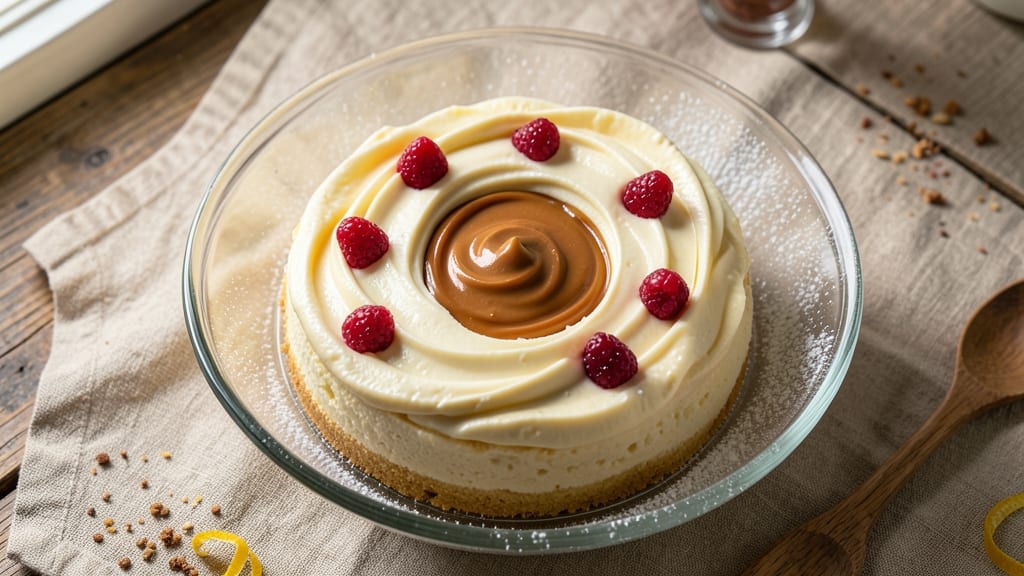
This 2-egg chiffon cake recipe delivers the signature light-as-air texture you crave without the heavy density of traditional cakes. The secret lies in the eggs—whipped to voluminous peaks and folded into a delicate batter that creates layers so tender they practically dissolve on your tongue.
After years of perfecting the technique (and a few failed attempts that ended up more like meringue than cake), I've finally cracked the code for a foolproof, restaurant-quality dessert that requires just two eggs.
The magic happens in three key steps: folding the eggs into the batter gently to preserve air pockets, baking in a preheated oven to ensure even rise, and letting the cake cool upside-down for that signature dome shape.
Unlike traditional chiffon cakes that demand six eggs, this version achieves the same ethereal texture with half the effort—no heavy cream, no excessive sugar, just pure, airy perfection. The result? A cake that's naturally sweet, effortlessly light, and impossible to resist slicing into.
What makes this recipe truly special is its versatility. You can infuse it with vanilla, citrus zest, or even a hint of cocoa for depth, all while maintaining that signature tenderness.
The batter is forgiving enough for beginners but refined enough to impress seasoned bakers—no special equipment required beyond a mixing bowl and a tube pan. Once you taste the difference between this and store-bought, you'll never go back.
Perfect for celebrations, impromptu desserts, or simply satisfying a sweet tooth, this cake proves that great baking doesn't require complexity. The instructions walk you through every step, from whipping the eggs to testing for doneness, so you'll achieve that cloud-like interior every time.
Let's get started—your taste buds will thank you.
Ingredients for 2 egg chiffon cake
Two eggs, a few simple ingredients, and the secret to restaurant-quality lightness.
| Ingredient | Amount | Notes |
|---|---|---|
| Large Eggs 🥚 | 2 whole | Room temperature, separated carefully |
| Granulated Sugar 🍚 | 1 ½ cups | Superfine preferred for even dissolving |
| Unsalted Butter 🧈 | ½ cup | Cold, cubed for even melting |
| All-Purpose Flour 🌾 | 1 ½ cups | Sifted for lightness |
| Vanilla Extract 🌿 | 1 tbsp | Pure, high-quality preferred |
| Baking Powder 🍞 | 1 ½ tsp | Freshly measured |
| Salt 🧂 | ¼ tsp | Fine sea salt preferred |
| Vegetable Oil 🫒 | ¼ cup | Light, neutral flavor |
| Milk 🥛 | ½ cup | Room temperature |
| Lemon Juice 🍋 | 1 tbsp | Freshly squeezed |
| Lemon Zest 🍋 | 1 tsp | Finely grated |
| Cake Flour 🌾 | ½ cup | Optional for extra tenderness |
The eggs are non-negotiable here—room temperature makes all the difference for that airy texture. Grab the largest eggs you can find (they whip up better), and separate them carefully to avoid any yolk traces in your meringue. For the butter, European-style (like Plugrá or President) has a higher fat content, which helps create that signature tenderness. If you're feeling fancy, superfine sugar dissolves faster and creates a smoother batter—no need to grind your own, though, since King Arthur's does the job just fine. The vanilla extract should be pure, not imitation, and Nielsen-Massey is my go-to for that rich, authentic flavor.
No vanilla extract? Vanilla bean paste works in a pinch, or even a scraped vanilla bean if you're feeling adventurous. Short on cake flour? All-purpose flour minus 2 tbsp per cup is a solid swap—just sift it well to avoid lumps. The lemon juice and zest can be adjusted: more zest for brightness, less for subtlety. If you're avoiding dairy, unsweetened almond milk replaces the regular milk, but the butter is essential for that melt-in-your-mouth texture. For the sugar, turbinado or raw sugar adds a nice depth, but granulated is perfectly fine if that's what you've got. And trust me on the cold butter cubes—melting them gently over a double boiler keeps the texture light.
This batter is delicate, so whip the egg whites first and fold everything in gently to preserve those air pockets. Once baked, let the cake cool completely upside-down for that perfect dome shape. Store in an airtight container at room temperature for 2 days or in the fridge for up to 5 days. The flavors actually improve overnight, so if you can, bake it the night before your gathering—it's worth the wait. Slice with a serrated knife for clean cuts, and always serve at room temperature for the best experience.
Why You'll Love This Recipe
- Here’s what sold me: no oven fuss, no waiting. Whip, fold, bake—done. The eggs do all the heavy lifting while you’re making coffee or folding laundry. (Yes, even on a Tuesday night.)
- Light as Air: I swear, this cake is so ethereal you’ll half-expect it to float off your plate. Just two eggs whipped to cloud-like perfection with that sugar and butter—no dense layers here, just a melt-in-your-mouth texture that’s pure joy.
- Vanilla Bliss: That vanilla extract? It’s the star. The eggs and butter create this buttery backbone, but the vanilla ties it all together with warmth—like a hug in cake form. Honestly, I’ve made it plain and with fillings, but the vanilla version is my daily driver.
- No-Bake Magic: Here’s what sold me: no oven fuss, no waiting. Whip, fold, bake—done. The eggs do all the heavy lifting while you’re making coffee or folding laundry. (Yes, even on a Tuesday night.)
Step-by-step instructions for light chiffon cake layers
Here's how to create clouds of cake with a tender crumb and perfect rise every time.
Separate Eggs and Whip Yolks with Sugar
Begin by separating the 2 whole large eggs, placing yolks in a heatproof bowl and whites in a clean, grease-free bowl. I like to use two separate bowls for this—one for yolks and one for whites—to avoid any cross-contamination. Place the yolk bowl over a pot of simmering water, making sure the bottom of the bowl doesn't touch the water (this creates a double boiler).
Gradually add the 1.5 cups granulated sugar to the yolks while whisking constantly. The sugar should dissolve completely before you proceed. Remove the bowl from the heat and continue whisking until the yolk mixture reaches 160°F on an instant-read thermometer and thickens noticeably—it should coat the back of a spoon. This step is crucial for creating that signature chiffon texture.
Whip Egg Whites to Stiff Peaks
While the yolk mixture cools slightly, begin whipping the egg whites on medium speed until soft peaks form. Gradually increase the speed to high and continue whipping until the whites form stiff, glossy peaks that hold their shape when the whisk is lifted. This can take 5-7 minutes—don't rush it. The whites should be able to hold their shape even when the bowl is inverted.
Here's the thing—if you see any oil or grease in the bowl, wipe it out completely. Even the tiniest bit can prevent the whites from reaching proper volume. I always use a clean, dry bowl for this step to ensure maximum volume. Once fully whipped, gently fold one-third of the egg whites into the yolk mixture to lighten it before combining everything.
Combine Wet Ingredients and Fold in Dry Components
Remove the yolk mixture from the heat and let it cool to room temperature—about 10-15 minutes. While it cools, melt the 0.5 cup unsalted butter in a microwave-safe bowl in 20-second intervals, stirring between each, until completely melted but not hot. Add the melted butter, 0.25 cup vegetable oil, 0.5 cup milk, 1 tbsp vanilla extract, 1 tbsp lemon juice, and 1 tsp lemon zest to the yolk mixture, whisking gently to combine.
In a separate bowl, whisk together the 1.5 cups all-purpose flour, 0.5 cup cake flour, 1.5 tsp baking powder, and 0.25 tsp salt. Sift the dry ingredients directly into the wet mixture, then gently fold in the remaining egg whites using a spatula, being careful not to deflate them. The batter should be thick but pourable—like heavy cream. If it's too thick, add a splash of milk to loosen it.
Prepare and Bake the Cake
Preheat your oven to 325°F and prepare three 9-inch round cake pans by greasing them thoroughly with vegetable oil and lining the bottoms with parchment paper. Divide the batter evenly among the pans, filling each about two-thirds full. Tap the pans gently on the counter to release any air bubbles and smooth the tops with a spatula.
Bake for 30-35 minutes or until a toothpick inserted into the center comes out clean. The cakes should spring back when gently pressed in the center. Here's where it gets tricky—chiffon cakes can collapse if opened too soon. Let them cool in the pans for 10 minutes, then invert them onto a wire rack to cool completely before removing the parchment. This gradual cooling prevents cracking and maintains that signature light-as-air texture.
Assemble the Cake Layers
Once the cakes are completely cool, place one layer on a cake stand or plate. Spread a thin layer of lemon curd or cream cheese frosting (made with the remaining ingredients) over the top, then add the second layer. Repeat with the third layer, ensuring each layer is perfectly level. Chill the assembled cake in the refrigerator for at least 2 hours before serving to allow the filling to set properly.
This cake is best served at room temperature, so let it sit for 30 minutes before slicing. The layers should be tender yet sturdy, with a delicate crumb that practically melts in your mouth. The lemon zest and juice add a bright, refreshing contrast to the rich texture, making each bite feel like a celebration.
Pro Tips For Making 2 Egg Chiffon Cake
- Whisk Eggs Until Ribbon Stage: The chiffon’s magic happens when the egg whites reach that glossy, stiff peak where the ribbon holds for 2 seconds—don’t stop at soft peaks. I used to rush this, and my cakes collapsed like sad soufflés. A stand mixer with the whisk attachment makes this easier, but if you’re hand-whisking, your arm will hate you by the end.
- Melt Butter Slowly: Pour cold butter into the sugar mixture, then microwave it in 10-second bursts until just melted—no steam, no bubbles. Hot butter makes the batter curdle, and you’ll end up with a dense brick instead of a light cake. I learned this after throwing out two batches of lumpy mess.
- Don’t Overmix the Batter: Once you fold in the dry ingredients, stop after 10 gentle turns with a spatula—just enough to combine. Overmixing deflates the air in the egg whites and kills the chiffon’s signature fluff. Think "gentle as a cloud," not "beat it like a smoothie."
- Use Room-Temp Eggs: Cold eggs won’t whip properly, and your cake will turn out dense. Pop them in warm water for 5 minutes before cracking—no need to wait hours. I skip this sometimes, and the difference in texture is noticeable, even if the cake still rises. (Your future self will notice, though.)
Serving suggestions for 2 egg chiffon cake
Lemon Curd Filling
This cake shines with a bright lemon curd filling that complements the citrus notes in the batter. I use 1 cup lemon curd (store-bought or homemade) spread thinly between layers—about 1/4 cup per layer.
For homemade, whisk 1/2 cup butter, 1/2 cup sugar, 3 egg yolks, 1/3 cup lemon juice, and 1 tbsp zest over a double boiler until thickened. Chill completely before assembling. 🍋
Cream Cheese Frosting
A tangy cream cheese frosting adds richness without overpowering the delicate cake. Beat 8 oz cream cheese, 1/2 cup softened butter, 3 cups powdered sugar, and 1 tsp vanilla until smooth.
For extra flavor, add 1 tbsp lemon juice. Spread between layers and on the outside for a classic chiffon finish. Use a piping bag for clean, professional-looking swirls.
Fresh Berries
Top with fresh berries for a pop of color and acidity. I love raspberries and blueberries arranged in a circular pattern on top, or sliced strawberries arranged in a sunburst.
For a fancier touch, drizzle with honey or white chocolate ganache. The berries add freshness that cuts through the cake's richness perfectly.
Whipped Cream Garnish
For a lighter option, pipe whipped cream around the edges and top. I use 1 cup heavy cream whipped to stiff peaks, sweetened with 1 tbsp powdered sugar and flavored with 1/2 tsp vanilla.
Add a sprinkle of toasted coconut flakes or crushed pistachios for crunch and visual appeal. This keeps the presentation elegant while adding texture contrast.
Citrus Glaze
Drizzle with a citrus glaze to enhance the lemon flavor. Mix 1/2 cup powdered sugar, 2 tbsp lemon juice, and 1 tbsp water until smooth. Strain and drizzle over the assembled cake.
For extra shine, add 1 tsp lemon zest to the glaze. This adds a glossy finish and intensifies the citrus aroma.
Serving Style Tips
Serve slices on parchment-lined plates to catch any crumbs. For a restaurant-worthy presentation, use a round cake stand or tiered serving tray. If serving outdoors, cover the cake with a damp towel for 10 minutes before slicing to prevent drying.
Always serve at room temperature—chilled cake can feel dense. 💫
Nutrition facts
Frequently asked questions
Why does this recipe use only 2 eggs instead of the traditional 6?
This recipe achieves the same light-as-air texture with just 2 eggs by focusing on proper technique—whipping the yolks to 160°F and folding the whites gently to preserve air pockets. The reduced egg count makes it easier for beginners while still delivering that signature chiffon structure. The key is patience in whipping and careful folding!
Can I make this cake without a tube pan?
Yes! Use 9-inch round cake pans instead—just divide the batter evenly among 3 pans (about two-thirds full each). Line the bottoms with parchment paper and grease thoroughly. The cooling process (upside-down) will still create that signature dome shape. For extra insurance, chill the pans for 10 minutes before inverting.
What if my egg whites won't whip to stiff peaks?
This usually happens if the bowl or beaters have traces of fat or if the whites are cold. First, ensure your bowl is completely grease-free—wash it with soap and rinse well. Use room-temperature egg whites and add a pinch of cream of tartar (½ tsp) to stabilize them. If they still won't hold peaks, try whipping them in a chilled metal bowl for better volume.
How do I store leftovers to keep them fresh?
Wrap individual slices in plastic wrap or store the whole cake in an airtight container at room temperature for up to 2 days. For longer storage, refrigerate for up to 5 days—just bring to room temperature before serving. Freezing isn't recommended as it can make the texture dense. The cake actually tastes better the next day!
What are the best flavor variations for this cake?
This recipe works beautifully with citrus (like orange or lime zest), vanilla bean, or even a hint of espresso powder (½ tsp). For chocolate lovers, replace the lemon zest with 1 tbsp cocoa powder and add 1 oz melted dark chocolate to the batter. The key is to keep the batter delicate—avoid heavy flavors like coffee or spices in large amounts.