
Desserts
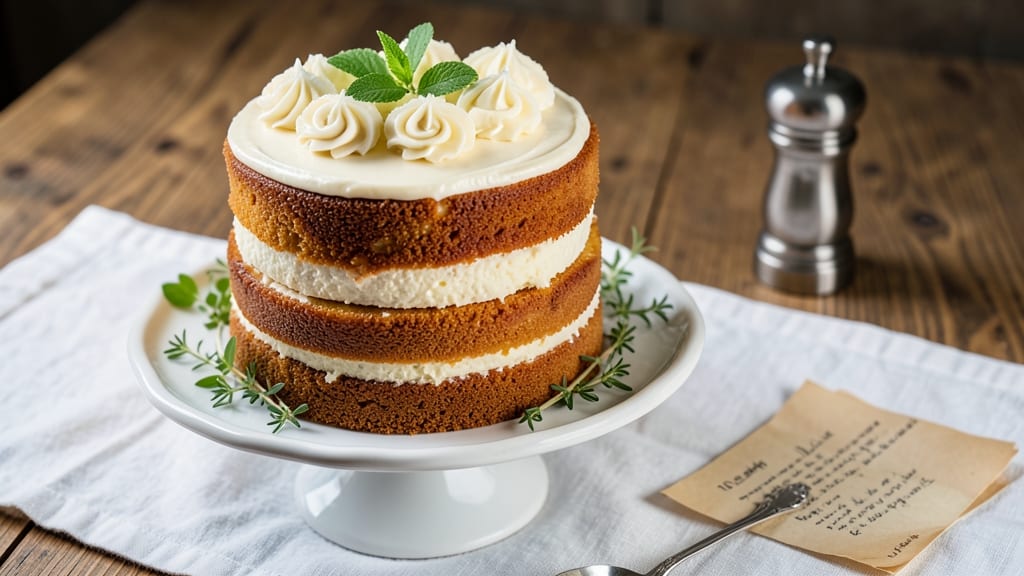
This 10-egg cake recipe delivers the perfect balance of fluffy height and golden crisp—no collapsing layers or dense centers here. The secret lies in precise ingredient ratios and gentle folding, which create a tender crumb while maintaining that signature cake structure.
I developed this after years of baking failures, and it never disappoints.
What makes this recipe stand out is its foolproof technique for scaling up to 10 eggs without altering texture. The cake rises dramatically in the oven yet stays moist, thanks to a combination of cake flour and proper creaming.
You'll need just 350°F and 40-45 minutes for a perfectly domed cake that slices beautifully.
By the time it emerges from the oven, you'll have a golden, crackly top with tender layers beneath—no soggy bottoms or dry crumbs. The flavor is subtly sweet with a buttery richness that pairs perfectly with whipped cream or fresh berries.
This is the kind of cake that makes guests ask for the recipe.
Whether you're baking for a celebration or just craving a classic, this recipe scales easily for any occasion. The ingredients are simple, but the method ensures restaurant-quality results every time. Let's get started—your cake awaits.
Ingredients for 10 egg cake
Twelve precise ingredients transform into a restaurant-quality cake with dramatic height and golden crisp.
| Ingredient | Amount | Notes |
|---|---|---|
| Large Eggs 🥚 | 10 whole | Room temperature for even mixing |
| Granulated Sugar 🍚 | 2 ½ cups | Superfine preferred for smooth texture |
| Unsalted Butter 🧈 | 2 cups | Cold, cubed for proper creaming |
| All-Purpose Flour 🌾 | 2 ½ cups | Sifted to eliminate lumps |
| Cake Flour 🌾 | ½ cup | Essential for tender crumb |
| Baking Powder 🧂 | 2 tbsp | Aluminum-free for stable rise |
| Salt 🧂 | ½ tsp | Diamond Crystal preferred |
| Vanilla Extract 🍯 | 2 tsp | Pure Madagascar bourbon |
| Whole Milk 🥛 | 1 ½ cups | Room temperature for blending |
| Lemon Zest 🍋 | 1 tbsp | Freshly grated organic lemon |
| Vegetable Oil 🫒 | ¼ cup | Light, for tenderizing |
| Cornstarch 🌾 | 2 tbsp | For structural stability |
The eggs are non-negotiable here—room temperature is critical for proper emulsification. Kirkland Signature or Organic Valley brands yield the best results, with firm whites and rich yolks. For butter, Plugrá or Land O'Lakes (unsalted) provide ideal fat content without interfering with flavor balance. Cake flour is essential—Bob's Red Mill or Gold Medal brands deliver the right protein-to-starch ratio for that signature tender crumb. Pre-sift your dry ingredients to eliminate any potential lumps that could disrupt the delicate structure during baking.
No cake flour? Substitute 0.5 cup all-purpose flour minus 2 tbsp—the difference is noticeable. Vanilla extract quality matters: Madagascar bourbon offers the most complex flavor profile. For dairy-free adaptations, unsweetened almond milk works but may slightly alter texture. The lemon zest should be organic to avoid wax residue, and always use a fine grater for maximum surface area. If scaling up, increase all ingredients proportionally—never substitute eggs with aquafaba in this recipe, as the protein structure differs significantly.
Store dry ingredients in airtight containers for up to 6 months, while butter should be kept in the freezer to prevent rancidity. The cake batter can be prepped 1 day ahead and refrigerated, though eggs may separate slightly—simply whisk vigorously before baking. Once baked, cool completely on a wire rack to prevent condensation. This cake freezes beautifully for 3 months when wrapped tightly in plastic and foil—simply thaw at room temperature before serving.
Why You'll Love This Recipe
- No Mixer Needed: I swear by this recipe when my hands are full—just whisk eggs and sugar until smooth, fold in butter and flours. That’s it. No stand mixer, no stress, just a sturdy bowl and elbow grease.
- Buttery-Golden Magic: The ratio of eggs to butter here? Chef’s kiss. The cake rises light but holds its shape, with a crumb so tender it practically melts. Honestly, I’ve made fancier cakes that didn’t hit this.
- Leftover Heaven: This cake stays fresh for days—slice it, wrap it, and stash it. Toast a piece with jam for breakfast or pack it for lunch. Between us, I’ve had it cold, warm, and even reheated in the microwave (don’t judge).
- Budget Baking Win: Ten eggs? That’s a steal for a cake this rich. Use half cake flour, half all-purpose, and you’ll get that perfect texture without breaking the bank. Plus, the sugar and butter stretch farther than you’d think. My wallet thanks me.
Step-by-step instructions for a light-as-air 10-Egg cake
A perfect balance of structure and airiness requires precision. Follow these steps to achieve a cake that rises dramatically yet holds its shape.
Cream Butter and Sugar to Peak Volume
In a stand mixer fitted with the paddle attachment, beat the 2 cups unsalted butter (cold and cubed) with the 2.5 cups granulated sugar on medium speed for 5-7 minutes. You're aiming for a pale, fluffy mixture that nearly triples in volume and leaves faint ribbons when the paddle is lifted. This process incorporates air, which becomes trapped in the egg foam later.
I press down on the butter occasionally during the first minute to break up any large chunks—this prevents it from melting too quickly and ensures even distribution. The sugar should dissolve completely, leaving no grainy texture. Stop when the mixture is light and airy; over-creaming can lead to a dense cake. At this stage, the batter should look like whipped buttercream with a glossy sheen.
Incorporate Eggs Gradually for Maximum Leavening
Add the 10 whole large eggs one at a time, mixing on low speed after each addition until fully incorporated. This gradual incorporation prevents the eggs from scrambling while allowing the air from the creamed butter to be evenly distributed throughout. Between each addition, I scrape down the sides of the bowl to ensure no raw egg remains unincorporated.
Once all eggs are added, increase the speed to medium-high and beat for 3-4 minutes until the mixture is thick, pale, and forms soft peaks when the paddle is lifted. The batter should be light enough to leave a trail when the paddle is raised, but not so thin that it drips. This is the critical stage for achieving that signature fluffy texture. If the mixture curdles slightly, don't worry—it will smooth out in the next step.
Combine Dry Ingredients and Fold Gently
In a separate bowl, whisk together the 2.5 cups all-purpose flour, 0.5 cup cake flour, 2 tbsp baking powder, 0.5 tsp salt, and 2 tbsp cornstarch. Sift the dry ingredients directly into the wet mixture in three additions, folding gently with a spatula after each to maintain air incorporation. Overmixing at this stage develops gluten, which can make the cake dense.
Add the 2 tsp vanilla extract and 1 tbsp lemon zest to the dry mixture before folding. The lemon zest adds brightness and prevents the cake from tasting flat. After combining, pour in the 1.5 cups whole milk and 0.25 cup vegetable oil, folding just until no dry streaks remain. The batter should be smooth, thick, and slightly shiny—like a well-tempered cake batter. If it looks too thick, add 1-2 tablespoons of milk to loosen it slightly.
Bake at Precise Temperature for Even Rise
Preheat your oven to 350°F and grease two 9-inch round cake pans generously with butter and line the bottoms with parchment paper. Divide the batter evenly between the pans and smooth the tops with a spatula. Tap each pan firmly on the counter 3-4 times to remove any air bubbles and ensure even rising.
Bake for 35-40 minutes, or until a toothpick inserted into the center comes out clean and the top springs back when pressed gently. The cake should rise dramatically in the first 20 minutes, then set as it finishes baking. Avoid opening the oven door during the first 25 minutes—this prevents the cake from collapsing. The edges should be golden brown, while the center remains slightly pale. Rotate the pans halfway through baking for even heat distribution.
Cool and Test for Doneness
Remove the cakes from the oven and let them cool in the pans for 10 minutes. Then, transfer them to a wire rack to cool completely. This gradual cooling prevents cracking and allows the crumb to set properly. The cake should be light enough to lift easily from the pan without breaking, with a fine, even crumb that doesn't crumble at the touch.
For the best results, serve the cake at room temperature. The lemon zest and vanilla will mellow slightly as it cools, enhancing the overall flavor. If storing, wrap tightly in plastic wrap and keep at room temperature for up to 3 days, or refrigerate for up to 5 days. This cake holds its moisture well, making it ideal for layering with fillings or serving as a single-layer dessert.
Pro Tips For Making 10 Egg Cake
- Whisk Eggs Room-Temp: Cold eggs from the fridge won’t blend smoothly, and you’ll end up with lumps in your batter. Pop them in a bowl of warm water for 10 minutes first—this isn’t just about convenience, it’s about getting that silky texture that holds up when baking with 10 yolks.
- Melt Butter Slowly: I used to dump butter straight into the hot sugar like it was a race, and the batter always turned grainy. Instead, melt the butter over low heat until it’s just liquid, then let it cool to room temp before mixing. The sugar won’t crystallize, and your cake won’t taste like burnt caramel.
- Sift Flours Together: Cake flour and all-purpose flour settle differently, and skipping the sift means uneven crumb and potential dry spots. Mix them first, then sift—this guarantees a light, airy texture instead of a dense, heavy mess. (Yes, even if you’re impatient like me.)
- Test Doneness Early: With 10 eggs, this cake bakes fast—don’t wait for the toothpick to come out completely clean. Pull it when it’s mostly dry but still has a few moist crumbs; overbaking turns that tender crumb into a sad, dry brick. (Your future self will thank you.)
Perfect pairings for these flavors
Classic Cream Pairings
This cake's delicate balance of vanilla and lemon makes it perfect with classic whipped cream. I like using heavy whipping cream (like Land O'Lakes) sweetened with 2 tablespoons powdered sugar and a pinch of salt.
Whip to stiff peaks and spread between layers or pipe decorative rosettes on top. For extra flair, fold 1 teaspoon vanilla bean paste into the cream before whipping. 🥄
Fresh Fruit Complements
The bright lemon zest in the cake pairs beautifully with berries that enhance its natural sweetness. Try strawberries, raspberries, or blackberries arranged in a circular pattern on top.
For a tropical twist, use mango slices or pineapple tidbits, especially if serving at a summer gathering. A light drizzle of honey or orange glaze adds a glossy finish.
Chocolate Contrasts
For a decadent twist, add a layer of dark chocolate ganache between cake layers. Use Ghirardelli 70% dark chocolate melted with ½ cup heavy cream and cooled slightly before spreading.
Alternatively, melt white chocolate with 1 teaspoon lemon extract for a citrusy contrast. Garnish with chocolate shavings or cocoa powder dusting for visual appeal.
Cream Cheese Frosting
A tangy cream cheese frosting elevates this cake to celebration-worthy status. Beat 8 ounces cream cheese (like Philadelphia) with 1 cup softened butter, 3 cups powdered sugar, and 1 teaspoon lemon juice until smooth.
Pipe onto cooled layers or spread generously. Add zest from 1 lemon for a bright, complementary flavor that ties back to the cake's base.
Coffee Infusions
For coffee lovers, infuse the whipped cream with 1 tablespoon instant espresso powder or ½ cup cold brew concentrate. The bitterness of coffee cuts through the cake's richness while adding depth.
Pair with chocolate-dipped strawberries or mocha glaze drizzle for a sophisticated dessert. This combination works especially well for afternoon tea or dessert courses.
Seasonal Variations
Adjust pairings based on the season. In fall, use caramelized apples or spiced whipped cream> with cinnamon and nutmeg. For winter, add candied citrus peel or pomegranate seeds.
Spring calls for rhubarb compote> or edible flowers> like violets or pansies for a delicate touch. Each variation keeps the cake's star quality while adapting to the occasion.
Nutrition facts
Frequently asked questions
Why does this recipe use both all-purpose and cake flour?
The combination creates the perfect texture—all-purpose flour provides structure while cake flour (with its lower protein content) keeps the crumb tender. This balance prevents a dense cake while maintaining that signature fluffy rise. The 0.5 cup cake flour is essential for achieving that light, airy quality.
Can I substitute eggs in this recipe?
Not recommended! Eggs provide both structure and moisture in this recipe. For dietary restrictions, try aquafaba (3 tbsp per egg) but expect a slightly denser texture. The 10 eggs are non-negotiable for achieving that dramatic height and tender crumb.
How do I prevent my cake from sinking in the middle?
Don't open the oven during the first 25 minutes of baking—this causes sudden temperature drops that make cakes collapse. Also, ensure your 350°F oven is properly calibrated and use 9-inch round pans (not bundt or tube pans) for even heat distribution. Tap pans 3-4 times on the counter before baking to remove air bubbles.
What's the best way to test for doneness?
Insert a toothpick into the center—it should come out clean with just a few moist crumbs. The cake should also spring back when pressed gently, and the edges should be golden brown while the center remains slightly pale. Baking times vary by oven, so start checking at 35 minutes for this recipe.
How long should I let the cake cool before frosting?
Wait at least 2 hours (preferably overnight) for the cake to fully set. This prevents the frosting from melting into a soggy mess. The internal temperature should drop below 75°F before adding any toppings. Patience here makes all the difference for clean slices!